U.
HomeRegionsLanguagesEmotionsCollections
Find Your Word

“The limits of my language mean the limits of my world.”

— Ludwig Wittgenstein, Philosopher

Untranslatable

A curated collection of the world's most beautiful expressions—words that remind us language is humanity's greatest invention.

  • Home
  • Collections
  • Regions
  • Countries
  • Emotions
  • Tags
  • Contexts
  • Finder
  • Europe
  • Asia
  • Americas
  • Africa
  • Middle East
  • About
  • Contact
  • Privacy Policy
  • Terms of Service

2026 © Untranslatable. All rights reserved.

    /
    /
    1. Home
    2. /
    3. Americas
    4. /
    5. Caye
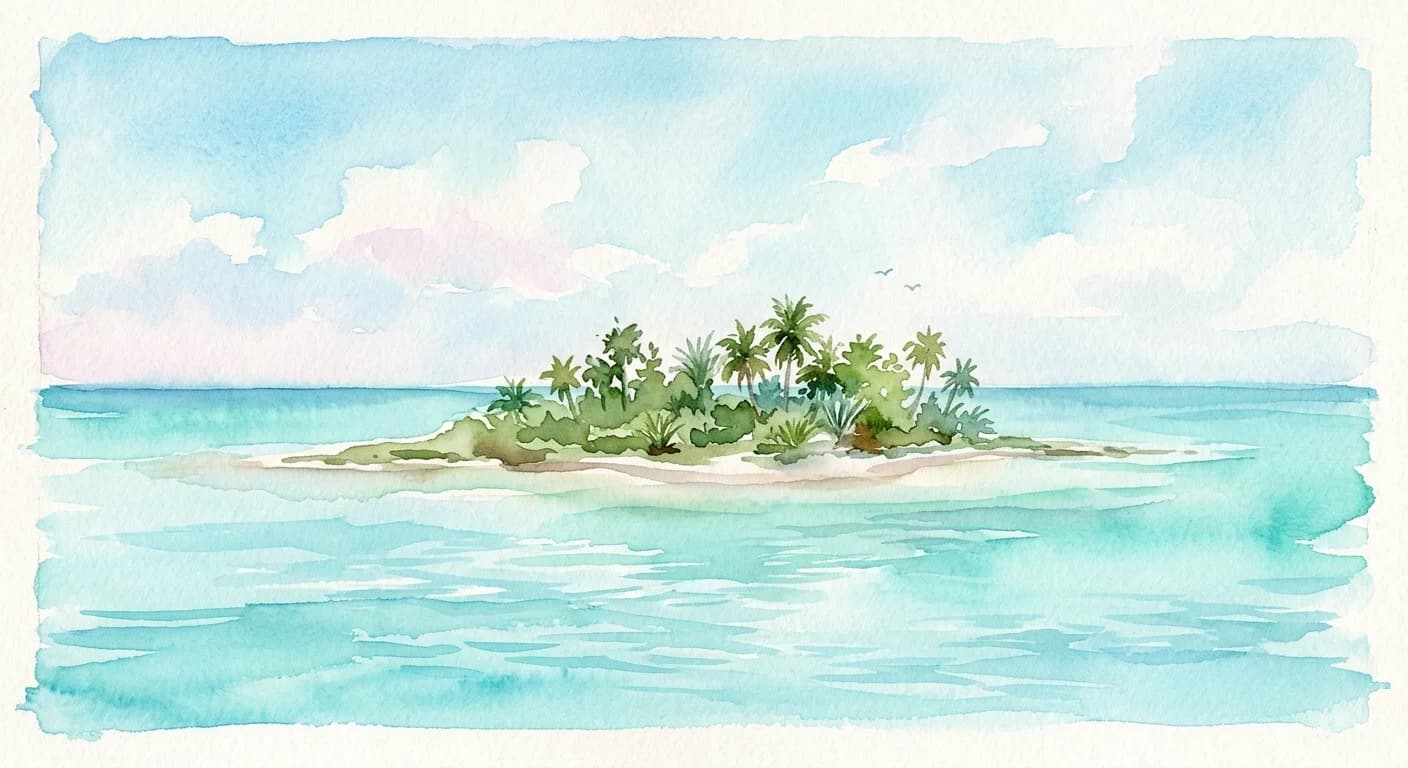
    Artistic representation of Caye
    Taíno•
    🇨🇺Cuba🇩🇴Dominican Republic🇵🇷Puerto Rico

    Caye

    /KAI-yeh/

    Meaning

    A 'caye' isn't merely a geographical feature; it's a whisper of paradise, a small, low-lying island or reef emerging from the turquoise embrace of tropical waters. Evoking images of pristine, often uninhabited natural havens, it conjures a profound sense of escape, untouched beauty, and serene isolation. These vibrant outposts are synonymous with relaxation, vibrant marine ecosystems, and a deep, intrinsic connection to the raw, untamed natural world, far removed from the clamor of civilization.

    Literal Translation

    Small island/reef (from Taíno origin, adopted into Spanish)

    The Story Behind the Word

    The word 'caye,' rooted in Taíno, speaks volumes about the original inhabitants' intimate relationship with their insular environment. For the Taíno, these small islands were not just landforms but integral parts of their spiritual and practical lives. They served as foraging grounds, temporary shelters during fishing expeditions, and perhaps even places of spiritual retreat. The very existence of a distinct word for these specific types of islands, beyond a generic term for 'island,' highlights a nuanced understanding and appreciation of their unique ecological and practical characteristics. It reflects a worldview where the sea and its myriad formations were deeply intertwined with daily survival, cultural identity, and a profound respect for nature's bounty and its occasional harshness. The continued use of 'caye' in Caribbean Spanish-speaking cultures is a linguistic legacy, preserving a fragment of this ancestral connection to the archipelago's intricate geography.

    Experience It

    Dreaming of Escape

    After months of city bustle, she yearned for the tranquility of a 'caye.' She envisioned herself swaying in a hammock, the only sound the gentle lapping of waves against a pristine shore, completely disconnected from the world.

    Fisherman's Haven

    The old fisherman knew every 'caye' by heart, each a landmark in his vast watery domain. He'd often anchor his small boat near one, spending the night under a blanket of stars, the bounty of the sea his only company.

    The Deeper Meaning

    The concept of 'caye' embodies a philosophical yearning for primal simplicity and self-sufficiency. It suggests an ideal of existence where humans are in direct, unmediated communion with nature, stripped of the complexities of modern life. It reflects a deep appreciation for isolation as a form of rejuvenation and a recognition of the profound beauty found in untouched, fragile ecosystems, highlighting humanity's inherent desire for refuge and natural harmony.

    Did You Know?

    Many 'cayes' are formed by accumulated coral, sand, and marine debris, making them dynamic and ever-changing geological formations sculpted by the very ocean that surrounds them.

    How It's Used

    Used to refer to small islands, islets, or reefs, particularly in the Caribbean Sea, often found in Spanish-speaking countries with Taíno heritage. It's common in discussions about geography, travel, and marine environments.

    Emotions
    belonging,peace,wonder
    Contexts
    nature,relaxation,travel
    🇨🇺Cuba🇩🇴Dominican Republic🇵🇷Puerto Rico

    by Dr. Kenji Tanaka·Written Mar 14, 2026·Updated Apr 3, 2026

    Related Words

    Explore more
    Dolce far nienteItalian

    Dolce far niente captures the profound joy and effortless pleasure derived from simply existing without obligation or purpose. It's the art of savoring moments of pure, unadulterated idleness – lying in the sun, watching the clouds drift, or enjoying a leisurely coffee – not as a break from work, but as a valuable state in itself. This 'sweetness of doing nothing' is a conscious embrace of stillness and contentment, allowing the soul to breathe and the senses to fully engage with the present.

    SobremesaSpanish

    Sobremesa is the cherished, often extended period immediately following a meal, particularly lunch or dinner, where diners remain seated at the table to enjoy conversation, coffee, and digest not just the food, but the company itself. It’s a dedicated time for unhurried social bonding, storytelling, and shared laughter, transforming a simple meal into a profound communal experience. Far from just clearing the dishes, sobremesa is an integral part of Spanish social life, often lasting for hours.

    Pura vidaSpanish

    More than just 'pure life,' "Pura vida" encapsulates a profound philosophy of embracing the present moment with unwavering optimism and gratitude. It's a daily commitment to finding joy in simple pleasures, accepting life's challenges with a positive spirit, and prioritizing well-being over material possessions. This ubiquitous phrase reflects a national identity built on resilience, community, and an deep appreciation for nature's bounty.

    MamihlapinatapaiYaghan

    Mamihlapinatapai encapsulates that profound, unspoken moment when two individuals lock eyes, each silently acknowledging a mutual desire or intention, yet both hesitate to be the first to act upon it. It's a delicate dance of anticipation, a shared gaze brimming with common understanding and a quiet longing for the other to break the ice. This intricate look carries the weight of a shared, uninitiated potential, a silent conversation where both parties are perfectly aware of what could happen, but neither makes the first move.