U.
HomeRegionsLanguagesEmotionsCollections
Find Your Word

“The limits of my language mean the limits of my world.”

— Ludwig Wittgenstein, Philosopher

Untranslatable

A curated collection of the world's most beautiful expressions—words that remind us language is humanity's greatest invention.

  • Home
  • Collections
  • Regions
  • Countries
  • Emotions
  • Tags
  • Contexts
  • Finder
  • Europe
  • Asia
  • Americas
  • Africa
  • Middle East
  • About
  • Contact
  • Privacy Policy
  • Terms of Service

2026 © Untranslatable. All rights reserved.

    /
    /
    1. Home
    2. /
    3. Asia
    4. /
    5. Chaat
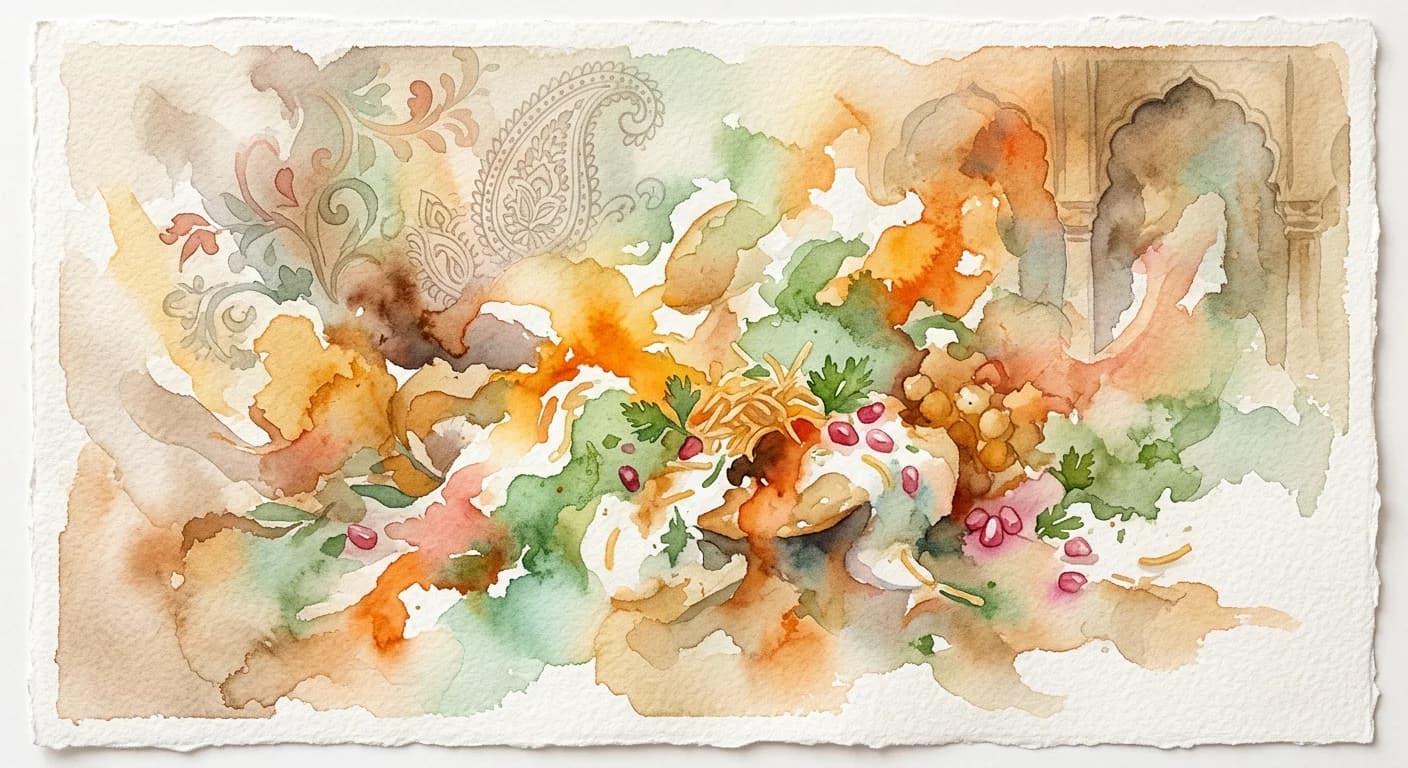
    Artistic representation of Chaat
    Hindi•
    🇮🇳India

    Chaat

    /CHAHT/

    Meaning

    Chaat is not merely a snack; it's a sensory symphony, a culinary mosaic of textures and tastes that dance on the palate. This beloved Indian street food typically combines crisp fried dough, soft potatoes, hearty chickpeas, and an array of vibrant chutneys – sweet tamarind, spicy mint, and tangy yogurt – all harmonized with a sprinkle of aromatic spices. Each spoonful offers an explosion of sweet, sour, salty, spicy, and savory notes, embodying the exuberant spirit of Indian gastronomy and the joy of spontaneous, communal indulgence.

    Literal Translation

    licked/tasted

    The Story Behind the Word

    The very name 'Chaat,' derived from the Hindi word 'chaatna' meaning 'to lick' or 'to taste,' perfectly encapsulates its irresistible, finger-licking appeal. Its origins trace back to the Mughal era in Uttar Pradesh, evolving into the diverse street food phenomenon it is today, deeply intertwined with India's bustling urban life. Chaat is more than sustenance; it's a social ritual, a democratic delight enjoyed by all strata of society, fostering impromptu gatherings and shared moments of pleasure. It reveals a culture that values vibrant sensory experiences, accessible pleasures, and the art of balancing contrasting elements to create a harmonious whole. The ephemeral nature of street food, prepared fresh and consumed immediately, also speaks to an appreciation for the present moment and the simple joys of everyday life.

    Experience It

    Evening Street Chaat

    As dusk falls, Maya and her friends gather around a brightly lit chaat stall, the air thick with the aroma of spices and frying dough. They eagerly watch the vendor expertly assemble their plates of 'golgappe', each crispy puri filled with spicy tamarind water, sharing laughter and stories amidst the bustling evening crowd.

    Festive Family Gathering

    During Diwali, Auntie Shanti meticulously prepares a large platter of 'papri chaat' for her extended family. Children and adults alike eagerly reach for the crispy discs topped with potatoes, chickpeas, yogurt, and chutneys, making it a focal point of joyful chatter and communal feasting.

    The Deeper Meaning

    Chaat embodies a philosophy of 'rasa' – the aesthetic flavor or essence – in everyday life. Its complex interplay of contrasting tastes reflects the Indian worldview that life itself is a blend of diverse experiences – sweet, sour, spicy, bitter – and true enjoyment comes from embracing and harmonizing them all. It's a culinary metaphor for finding joy in the rich tapestry of existence.

    Did You Know?

    There are hundreds of regional variations of chaat across India, with each city boasting its own unique specialty, from Delhi's Aloo Tikki Chaat to Mumbai's Sev Puri and Kolkata's Ghugni Chaat.

    How It's Used

    Chaat is a broad term for a category of savory snacks, often enjoyed as street food or appetizers. It's a staple at roadside stalls, casual eateries, and even formal gatherings, representing a popular and beloved part of Indian cuisine.

    Emotions
    gratitude,joy,warmth
    Contexts
    celebration,dining
    🇮🇳India

    by Dr. Kenji Tanaka·Written Mar 14, 2026·Updated Apr 3, 2026

    Related Words

    Explore more
    GezelligDutch

    Gezellig encapsulates a profound sense of warmth, belonging, and convivial comfort, extending beyond mere coziness to embrace the social and emotional atmosphere. It's the feeling of being truly at ease, surrounded by good company, laughter, and a shared sense of contentment. This untranslatable term describes not just a physical space, but a holistic experience where time seems to slow down, fostering genuine connection and a deep sense of well-being.

    Wabi-sabiJapanese

    Wabi-sabi is the profound appreciation for the ephemeral, the imperfect, and the incomplete aspects of existence. It is about discovering beauty in the subtle textures of age, the unique character of flaws, and the gentle decay that marks the passage of time. This philosophy encourages a quiet acceptance of impermanence and a mindful connection to the natural world, finding elegance in simplicity and authenticity.

    IkigaiJapanese

    Ikigai is more than just a reason to get out of bed; it's a deeply personal and evolving sense of purpose that brings genuine fulfillment and joy to one's life. It represents the sweet spot where your passions, talents, needs of the world, and what you can be paid for beautifully converge. Discovering your ikigai often leads to a life lived with intentionality, resilience, and a profound connection to one's contributions. It's the intrinsic motivation that fuels a meaningful existence, regardless of external circumstances.

    NunchiKorean

    Nunchi is the sophisticated, almost telepathic, ability to instantly grasp the unspoken dynamics of any social situation, anticipating others' thoughts and feelings, and then responding with impeccable grace and timing. It's an acute form of social intuition, allowing one to navigate complex interpersonal landscapes by reading subtle cues like body language, tone, and context. Possessing good nunchi means effortlessly understanding the underlying emotional currents and adjusting one's behavior to maintain harmony and effectiveness, often without a single word exchanged.