Douceur de vivre
/DOO-sur duh VEE-vruh/
Meaning
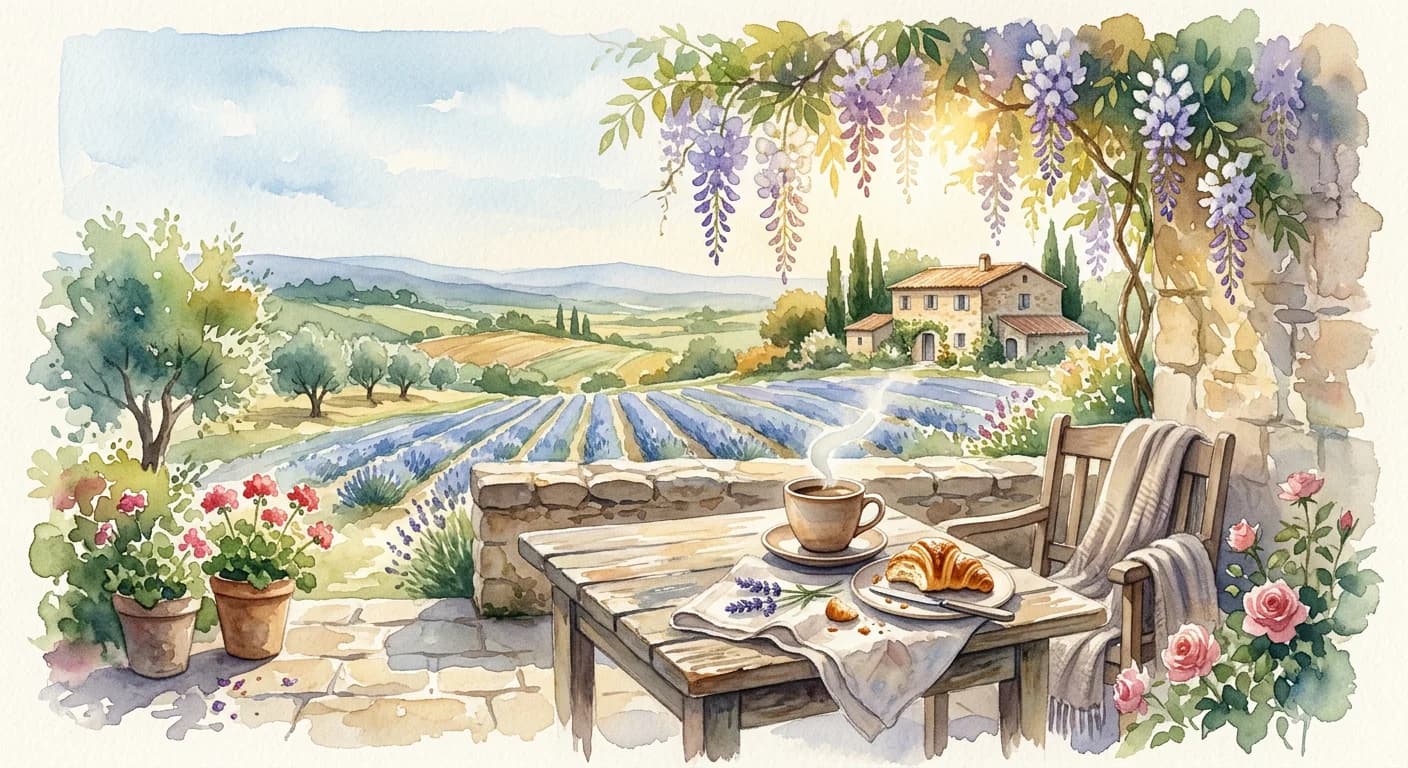
"Douceur de vivre" paints a picture of life's gentle embrace, a pervasive sense of comfort and effortless joy that permeates daily existence. It's not about fleeting highs, but a sustained, quiet contentment found in the interplay of simple pleasures: the perfect croissant, a sun-drenched afternoon spent reading, or the easy flow of good conversation over a leisurely meal. This phrase evokes a mindful appreciation for the subtle harmonies of life, a graceful unhurriedness that transforms the mundane into moments of serene delight, reflecting a deeply ingrained ethos of savoring the present. It's the art of living well, not lavishly, but with an attuned sensitivity to beauty and tranquility.
Literal Translation
Sweetness of life
The Story Behind the Word
The concept of "douceur de vivre" is deeply woven into the fabric of French culture, reflecting centuries of valuing aesthetics, culinary excellence, intellectual discourse, and a certain philosophical approach to life. Its origins can be traced to aristocratic salons and the Enlightenment, where the cultivation of taste, wit, and refined leisure became an art form. However, it's not exclusive to the elite; it permeates the everyday, from the meticulous arrangement of a market stall to the unhurried pace of a village déjeuner. This word exists because French culture, perhaps more than many others, has historically championed a holistic view of well-being that prioritizes quality over quantity, presence over rushing, and sensory delight over mere utility. It reveals a worldview where life is to be savored, not just endured or conquered, and where beauty, comfort, and human connection are essential ingredients for a fulfilling existence. It's embodied in the country's celebrated traditions of gastronomy, art, fashion, and the very rhythm of daily life.
Experience It
A Parisian Afternoon
Sitting at a café terrace, watching the world go by, sipping coffee and reading a book. The gentle hum of conversation, the distant clang of a church bell, and the warmth of the sun create a perfect moment of "douceur de vivre."
Countryside Meal
A long, leisurely family lunch in a Provençal garden, with fresh local produce, good wine, and unhurried conversation. The scent of lavender in the air and the laughter of loved ones embody the essence of "douceur de vivre."
The Deeper Meaning
"Douceur de vivre" embodies a philosophy of mindful hedonism, not in the vulgar sense, but as a deliberate cultivation of sensory and emotional pleasure found in the everyday. It champions an unhurried existence, where attention to detail, quality, and aesthetic harmony are paramount. This worldview suggests that true richness in life comes from savoring moments, fostering genuine connection, and appreciating the inherent beauty of the world around us, rather than from material accumulation or constant striving.
Did You Know?
The phrase gained particular prominence in the 19th century, often associated with a nostalgic view of a more refined, less hurried past, but its underlying sentiment remains a timeless ideal in French society.
How It's Used
Used to describe a person's disposition, a place's atmosphere, or a general sense of well-being and gentle enjoyment of life's simple pleasures.