U.
HomeRegionsLanguagesEmotionsCollections
Find Your Word

“The limits of my language mean the limits of my world.”

— Ludwig Wittgenstein, Philosopher

Untranslatable

A curated collection of the world's most beautiful expressions—words that remind us language is humanity's greatest invention.

  • Home
  • Collections
  • Regions
  • Countries
  • Emotions
  • Tags
  • Contexts
  • Finder
  • Europe
  • Asia
  • Americas
  • Africa
  • Middle East
  • About
  • Contact
  • Privacy Policy
  • Terms of Service

2026 © Untranslatable. All rights reserved.

    /
    /
    1. Home
    2. /
    3. Asia
    4. /
    5. Banig
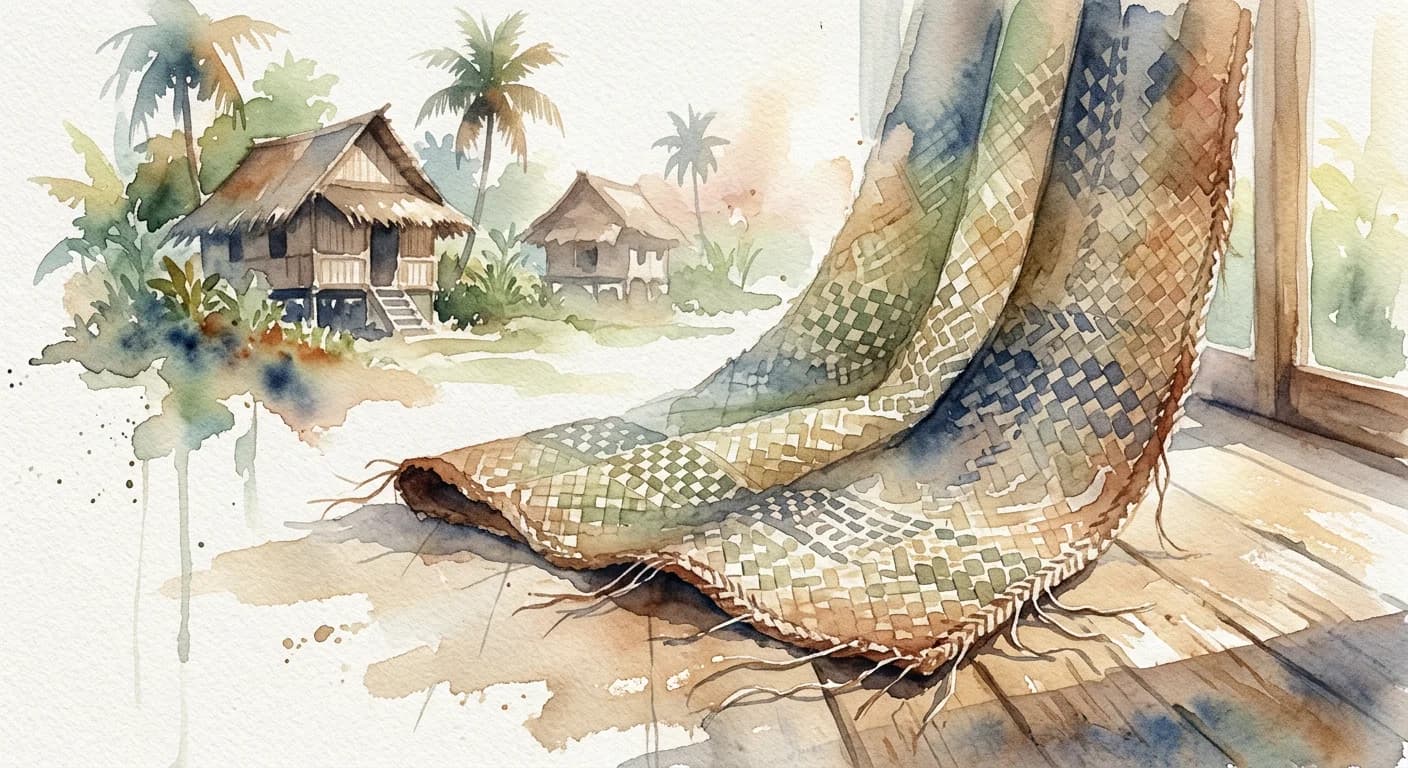
    Artistic representation of Banig
    Filipino•
    🇵🇭Philippines

    Banig

    /BAH-neeg/

    Meaning

    A banig is far more than a simple woven mat; it is a tactile narrative of Filipino domestic life, meticulously crafted from the dried leaves of pandan or tikog plants. Each intricate pattern, often passed down through generations, embodies a deep sense of heritage, resourcefulness, and the comforting embrace of home. It evokes a feeling of grounded simplicity, conjuring images of warm afternoons, intimate family gatherings, and the gentle rustle of leaves, standing as a poignant counterpoint to the relentless march of modern, mass-produced goods.

    Literal Translation

    Woven mat

    The Story Behind the Word

    The banig is deeply embedded in the fabric of Filipino culture, reflecting a profound connection to nature, community, and ancestral craftsmanship. Its existence speaks to a history of ingenuity, where readily available natural materials were transformed into essential household items. The communal act of weaving, often by women, fostered social bonds and preserved artistic traditions, making each banig a repository of shared memories and cultural identity. It reveals a worldview that values sustainability, artistry in everyday objects, and the strength of familial ties, where comfort is found not in opulence, but in simplicity and connection. The banig symbolizes the Filipino capacity to create beauty and utility from humble beginnings, embodying resilience and a strong sense of place.

    Experience It

    Family Siesta Time

    Lola spreads a large, intricately woven banig on the cool bamboo floor. Her grandchildren, tired from playing outside, eagerly sprawl on its smooth surface, listening to her stories as the afternoon breeze rustles through the open windows, a symphony of comfort and tradition.

    Community Celebration

    For the barrio fiesta, colorful banigs are laid out in the town square, transforming it into a vibrant communal dining area. Families share food and laughter, their feet bare on the familiar weave, symbolizing unity and shared heritage under the festive lights.

    The Deeper Meaning

    The banig embodies a philosophy of 'simple living' and 'resourcefulness,' prevalent in many indigenous cultures. It suggests that true comfort and beauty can be found not in extravagance, but in the thoughtful creation and utilization of natural resources, fostering a deep appreciation for one's environment and the hands that shape it. It champions sustainability and the enduring value of human connection over material accumulation.

    Did You Know?

    The banig from Basey, Samar, is renowned for its incredibly fine weave and intricate designs, often depicting local flora, fauna, and traditional patterns, making them highly prized heirlooms.

    How It's Used

    Used to refer to the woven mat itself, and by extension, the cultural significance and memories associated with it. It's used in everyday life for sleeping, sitting, or as a decorative element, and is culturally iconic in the Philippines.

    Emotions
    belonging,comfort,nostalgia,warmth
    Contexts
    dining,family,home,relaxation
    🇵🇭Philippines

    by Dr. Kenji Tanaka·Written Mar 14, 2026·Updated Apr 3, 2026

    Related Words

    Explore more
    GezelligDutch

    Gezellig encapsulates a profound sense of warmth, belonging, and convivial comfort, extending beyond mere coziness to embrace the social and emotional atmosphere. It's the feeling of being truly at ease, surrounded by good company, laughter, and a shared sense of contentment. This untranslatable term describes not just a physical space, but a holistic experience where time seems to slow down, fostering genuine connection and a deep sense of well-being.

    SobremesaSpanish

    Sobremesa is the cherished, often extended period immediately following a meal, particularly lunch or dinner, where diners remain seated at the table to enjoy conversation, coffee, and digest not just the food, but the company itself. It’s a dedicated time for unhurried social bonding, storytelling, and shared laughter, transforming a simple meal into a profound communal experience. Far from just clearing the dishes, sobremesa is an integral part of Spanish social life, often lasting for hours.

    Wabi-sabiJapanese

    Wabi-sabi is the profound appreciation for the ephemeral, the imperfect, and the incomplete aspects of existence. It is about discovering beauty in the subtle textures of age, the unique character of flaws, and the gentle decay that marks the passage of time. This philosophy encourages a quiet acceptance of impermanence and a mindful connection to the natural world, finding elegance in simplicity and authenticity.

    IkigaiJapanese

    Ikigai is more than just a reason to get out of bed; it's a deeply personal and evolving sense of purpose that brings genuine fulfillment and joy to one's life. It represents the sweet spot where your passions, talents, needs of the world, and what you can be paid for beautifully converge. Discovering your ikigai often leads to a life lived with intentionality, resilience, and a profound connection to one's contributions. It's the intrinsic motivation that fuels a meaningful existence, regardless of external circumstances.

    Featured in 2 collections

    🕯️The Cozy Collection🔗Family Ties