U.
HomeRegionsLanguagesEmotionsCollections
Find Your Word

“The limits of my language mean the limits of my world.”

— Ludwig Wittgenstein, Philosopher

Untranslatable

A curated collection of the world's most beautiful expressions—words that remind us language is humanity's greatest invention.

  • Home
  • Collections
  • Regions
  • Countries
  • Emotions
  • Tags
  • Contexts
  • Finder
  • Europe
  • Asia
  • Americas
  • Africa
  • Middle East
  • About
  • Contact
  • Privacy Policy
  • Terms of Service

2026 © Untranslatable. All rights reserved.

    /
    /
    1. Home
    2. /
    3. Americas
    4. /
    5. Beija-flor
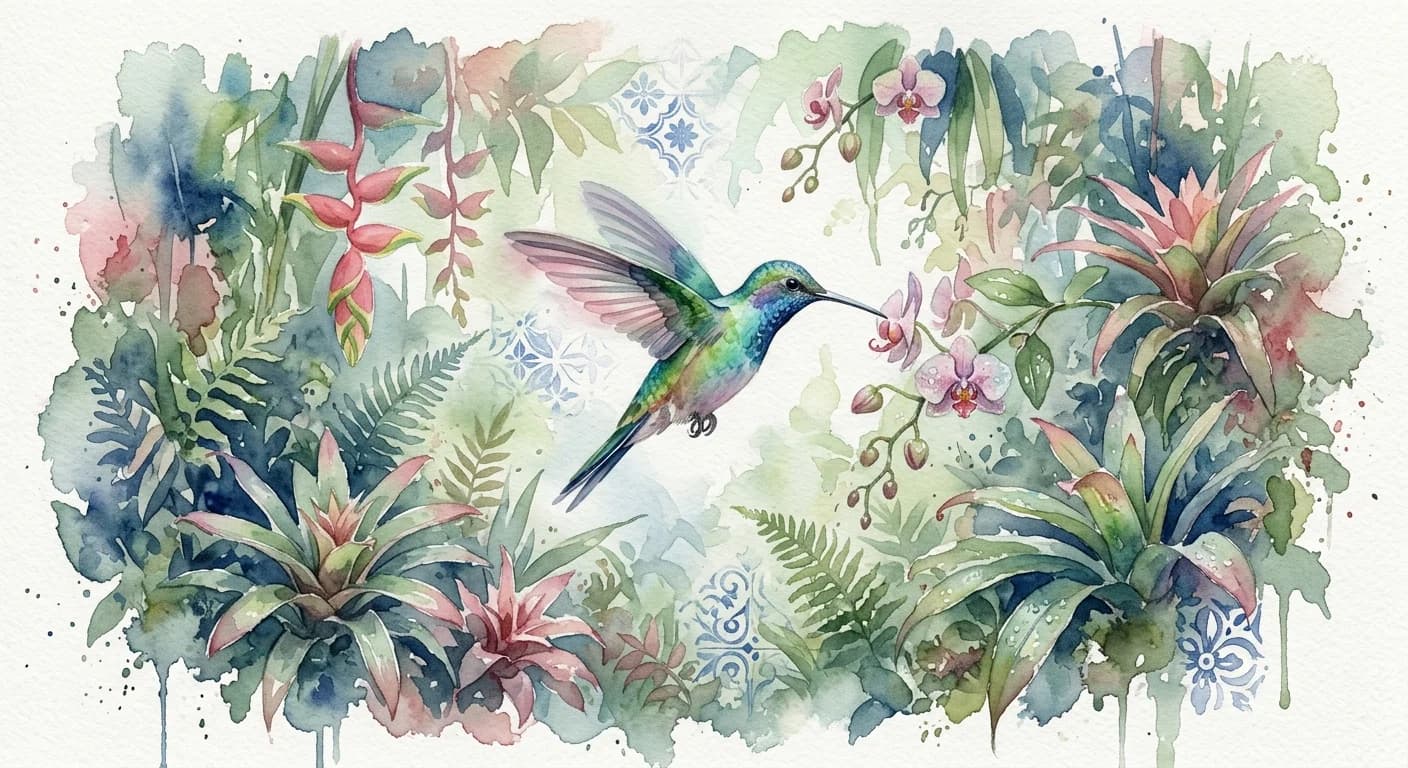
    Artistic representation of Beija-flor
    Portuguese•
    🇧🇷Brazil

    Beija-flor

    /BAY-zhah-FLOHR/

    Meaning

    Beija-flor, literally 'kiss-flower,' refers to the hummingbird, beautifully capturing the delicate and intimate interaction between these tiny, vibrant birds and the blossoms they visit. This poetic term evokes a profound sense of wonder at nature's intricate beauty, highlighting the fleeting, almost magical moments of connection and the vibrant energy of life itself. It reflects a uniquely Portuguese sensibility, where the bird's graceful dance and vital role are seen through a lens of affection and appreciation, transforming a simple observation into a cherished cultural image.

    Literal Translation

    kiss-flower

    The Story Behind the Word

    The term 'beija-flor' is deeply embedded in Brazilian culture, reflecting a profound connection to nature and a worldview that often personifies elements of the natural world. Unlike the more scientific or descriptive 'hummingbird,' 'beija-flor' imbues the creature with agency and affection, suggesting a reciprocal relationship between bird and flower. This goes beyond mere observation; it speaks to a cultural appreciation for beauty, delicacy, and the interconnectedness of life. In Brazilian folklore and poetry, the beija-flor often symbolizes joy, love, healing, and the ephemeral nature of beauty, frequently appearing in songs, literature, and art as a beloved national icon. Its prevalence reveals a society that values poetic expression and finds spiritual resonance in the natural world.

    Experience It

    Garden Morning

    Maria sips her coffee, watching a tiny beija-flor dart among her hibiscus. Its wings blur into a soft hum as it delicately sips nectar, a fleeting jewel in the morning light, reminding her of the simple beauty of her garden.

    Child's Wonder

    Little João points excitedly, 'Look, Papai! A beija-flor!' His father smiles, explaining how the little bird 'kisses' each flower, a magical dance that provides life to both the bird and the plant, sparking a sense of wonder in the boy.

    The Deeper Meaning

    The term 'beija-flor' reveals a philosophical inclination towards seeing the world through a lens of interconnectedness and gentle reciprocity. It suggests that even the smallest interactions in nature hold profound beauty and meaning, emphasizing harmony rather than dominance. This perspective values the poetic and emotional aspects of existence, finding wonder in the delicate balance of life and bestowing affection upon the natural world.

    Did You Know?

    Despite their delicate appearance, beija-flores are incredibly agile and can beat their wings up to 80 times per second, even flying backward, making them true acrobats of the sky!

    How It's Used

    Used to refer to hummingbirds in Brazil, often with a sense of affection and appreciation for their beauty and ecological role.

    Emotions
    joy,peace,wonder
    Contexts
    nature,seasons
    🇧🇷Brazil

    by Dr. Kenji Tanaka·Written Mar 14, 2026·Updated Apr 3, 2026

    Related Words

    Explore more
    Dolce far nienteItalian

    Dolce far niente captures the profound joy and effortless pleasure derived from simply existing without obligation or purpose. It's the art of savoring moments of pure, unadulterated idleness – lying in the sun, watching the clouds drift, or enjoying a leisurely coffee – not as a break from work, but as a valuable state in itself. This 'sweetness of doing nothing' is a conscious embrace of stillness and contentment, allowing the soul to breathe and the senses to fully engage with the present.

    Pura vidaSpanish

    More than just 'pure life,' "Pura vida" encapsulates a profound philosophy of embracing the present moment with unwavering optimism and gratitude. It's a daily commitment to finding joy in simple pleasures, accepting life's challenges with a positive spirit, and prioritizing well-being over material possessions. This ubiquitous phrase reflects a national identity built on resilience, community, and an deep appreciation for nature's bounty.

    JayusIndonesian

    Jayus describes that peculiar moment when a joke is so utterly devoid of humor, so poorly delivered, or so nonsensical that its very ineptitude triggers an involuntary, almost sympathetic burst of laughter. It's not laughter at the joke itself, but rather a reaction to the sheer awkwardness and the unexpected, delightful absurdity of someone failing so spectacularly to be funny. The humor stems from the meta-experience of witnessing a comedic train wreck, transforming discomfort into a shared moment of mirth.

    MamihlapinatapaiYaghan

    Mamihlapinatapai encapsulates that profound, unspoken moment when two individuals lock eyes, each silently acknowledging a mutual desire or intention, yet both hesitate to be the first to act upon it. It's a delicate dance of anticipation, a shared gaze brimming with common understanding and a quiet longing for the other to break the ice. This intricate look carries the weight of a shared, uninitiated potential, a silent conversation where both parties are perfectly aware of what could happen, but neither makes the first move.