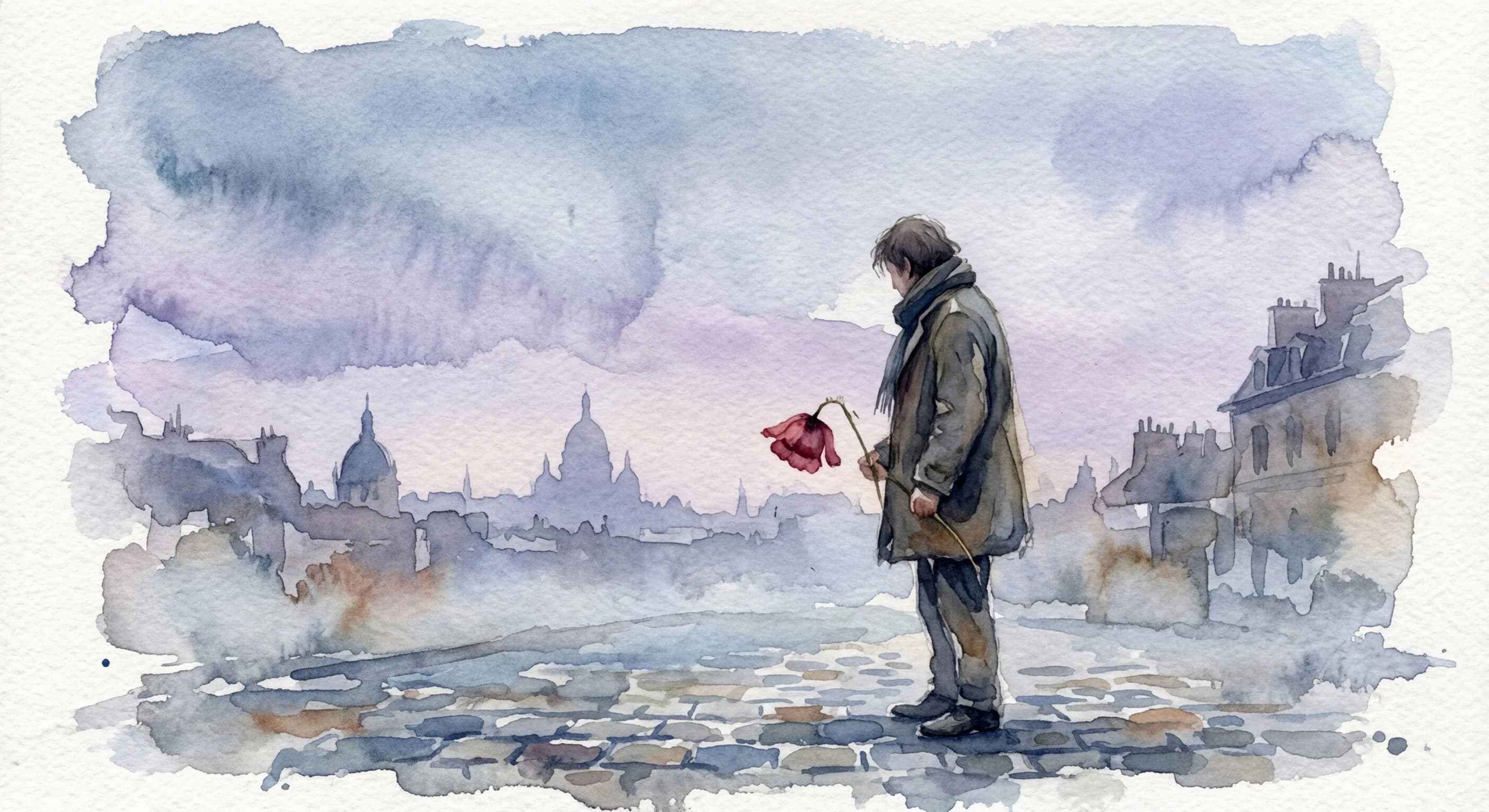
Râler
/RAH-lay/
Meaning
Râler is the distinctly French art of expressing dissatisfaction, a melodic grumble that transcends mere complaining. It's a vocal engagement with perceived imperfections, ranging from a theatrical sigh over a tardy train to a pointed critique of societal norms. This act isn't always about seeking a solution; often, it's a vital release, a way to acknowledge and articulate reality, sometimes with a wry, almost affectionate, touch of dark humor, affirming one's presence in an imperfect world.
Literal Translation
to grumble, to complain
The Story Behind the Word
The practice of 'râler' is deeply embedded in French culture, reflecting a historical inclination towards critical thinking, intellectual debate, and a healthy skepticism of authority. It's not seen as purely negative but rather as a form of civic engagement and a testament to one's intellectual independence. From the Enlightenment's philosophical critiques to the revolutionary spirit, a certain readiness to challenge and voice dissent has been woven into the national fabric. This manifests in everyday life as a collective, often performative, acknowledgment of life's absurdities and inefficiencies, fostering a sense of shared experience and solidarity among those who 'râlent' together. It signifies a refusal to passively accept, instead choosing to actively, if sometimes fruitlessly, critique.
Experience It
Morning Commute Râler
Pierre stands on a crowded metro platform, arms crossed, letting out a soft but audible 'Pffft...' as the announcement for a delayed train crackles through the speakers. He then turns to a fellow passenger with a knowing, exasperated look, muttering, 'Toujours la même chose, c'est pas possible!' – a classic shared grumble.
Bureaucracy Râler
Madame Dubois has been waiting in line at the prefecture for an hour. As the clerk slowly shuffles papers, she sighs dramatically, tapping her foot, and mutters under her breath about 'l'inefficacité' and 'le gaspillage de temps.' Her quiet complaints are less about anger and more about a theatrical, shared exasperation with the system.
The Deeper Meaning
Râler embodies a philosophical stance of active engagement with the world's imperfections rather than passive acceptance. It suggests that voicing dissatisfaction, even without immediate resolution, is a fundamental human right and a form of existential expression. It reflects a cultural value where critical thinking and the articulation of dissent are seen as signs of intelligence and engagement, rather than mere negativity. It's an affirmation of one's presence and opinion in the face of life's inevitable frustrations.
Did You Know?
The word 'râler' originally referred to the rattling sound in the throat of someone struggling to breathe, particularly before dying. This morbid origin lends a certain dramatic weight to modern-day grumbling!
How It's Used
Used to describe the act of complaining, grumbling, or expressing discontent, often in a persistent or habitual way. It can be applied to minor annoyances or more significant grievances.