Curanderismo
/koo-rahn-deh-REES-moh/
Meaning
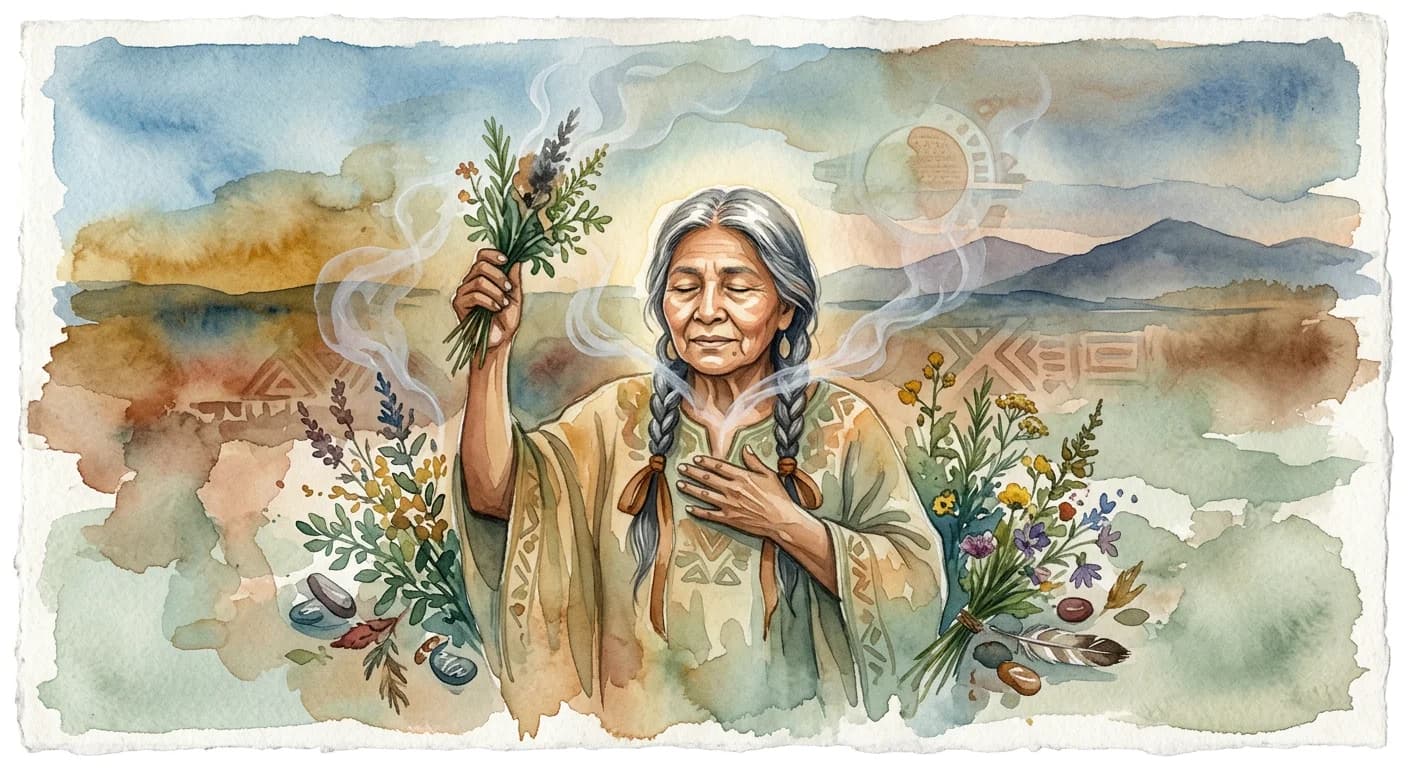
Curanderismo is more than a healing method; it's a profound spiritual and therapeutic tradition woven into the fabric of Latin American and Latino cultures, particularly in Mexico. It encompasses a holistic approach where the 'curandero/a' acts as a conduit between the physical and spiritual realms, addressing ailments of the body, mind, and spirit through ancient wisdom, plant medicine, ritual cleansing, and fervent prayer. This practice seeks to re-establish a lost equilibrium, treating not just symptoms but the energetic and social disharmony believed to be at the root of illness, fostering a deep connection to ancestral knowledge and community well-being.
Literal Translation
healing / the practice of healing
The Story Behind the Word
Curanderismo emerged from a powerful syncretism of Indigenous spiritual practices (like those of the Maya, Aztec, and other Mesoamerican cultures) and Iberian folk Catholicism, forged during centuries of colonial encounter. It persists because it offers a culturally resonant framework for understanding and addressing suffering that often transcends the biomedical model, particularly for conditions attributed to spiritual imbalances, emotional trauma, or social pressures. This practice illuminates a worldview where health is interconnected with one's spiritual state, community harmony, and relationship with the natural world, emphasizing balance (equilibrio) and vital energy (ánima or espíritu) as fundamental to well-being. It reveals a deep-seated belief in the efficacy of spiritual intervention and the power of inherited wisdom to navigate life's challenges.
Experience It
Seeking Spiritual Cleansing
María felt an oppressive weight after a series of misfortunes, attributing it to 'mal de ojo' (evil eye). She visited a curandera, who performed a 'limpia' (spiritual cleansing) using herbs, an egg, and prayers, sweeping away the negative energies and restoring a sense of peace and protection.
Healing Susto (Fright)
Young Carlos became withdrawn and sickly after a traumatic dog attack, diagnosed by his grandmother as 'susto' (a soul-loss illness caused by fright). A curandero was called to perform a ritual to call back Carlos's wandering spirit, using specific chants and offerings to restore his vitality.
The Deeper Meaning
Curanderismo embodies a holistic philosophy that views humans not as isolated individuals, but as integral parts of a larger cosmic and social order. Illness is often seen as a disruption in this delicate balance—be it between body and soul, individual and community, or humanity and nature. The practice underscores the profound belief that healing requires addressing all these interconnected dimensions, emphasizing spiritual and emotional harmony as foundational to physical health, and recognizing that ancestral wisdom holds keys to well-being in the modern world.
Did You Know?
Many curanderos do not charge a fixed fee, instead accepting donations or bartering for services, embodying the spirit of community service rather than commercial enterprise.
How It's Used
Used to describe the practice of traditional folk healing and the role of the folk healer within communities, particularly in Latin America and among Hispanic/Latino populations in the United States. It signifies a holistic approach to health that addresses spiritual and energetic imbalances.