Oisiveté
/WAZ-ee-vay-tay/
Meaning
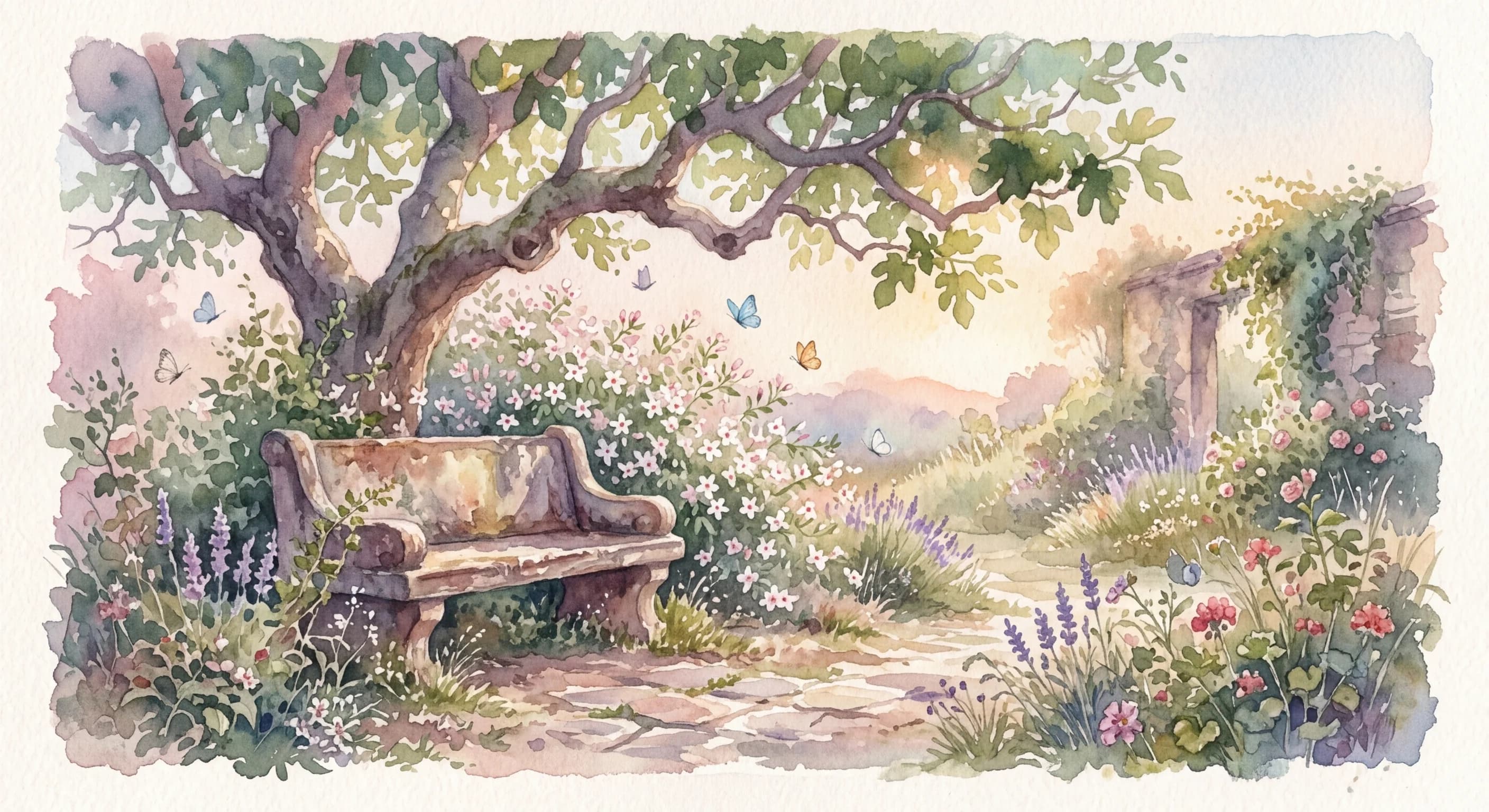
Oisiveté is more than mere idleness; it is a cultivated state of deliberate, unhurried leisure, a cherished pause from obligation that allows the mind to roam freely. It’s an embrace of unstructured time, fostering contemplation, creative thought, and the simple enjoyment of being, rather than doing. This concept embodies a uniquely French appreciation for the art of productive non-activity, where moments of quiet reflection are seen as vital for the soul and intellect. It's a luxurious freedom from the tyranny of the clock, inviting serendipitous discovery.
Literal Translation
Idleness, leisure
The Story Behind the Word
The concept of "oisiveté" is deeply rooted in French intellectual and artistic traditions, reflecting a culture that values contemplation, aesthetic appreciation, and the cultivation of inner life. Historically, it can be traced back to the Enlightenment era, where thinkers like Rousseau championed the idea of engaging with nature and one's thoughts away from societal pressures. It contrasts sharply with the Anglo-Saxon emphasis on constant productivity and efficiency. "Oisiveté" reveals a worldview where time is not solely a commodity to be optimized, but a resource to be savored, allowing for the generation of ideas, introspection, and a refined sense of living. It's an antidote to the modern cult of busyness, suggesting that true progress, be it artistic or philosophical, often emerges from moments of unburdened thought.
Experience It
A Parisian Afternoon
Seated at a café terrace, Monsieur Dubois sips his coffee, not checking his phone or rushing anywhere. He watches the passersby, lets his thoughts drift, and enjoys the simple "oisiveté" of the moment, finding inspiration in the urban ballet around him without any immediate goal.
Artist's Retreat
A painter spends her mornings in her countryside studio, not actively painting, but simply gazing out the window, listening to birdsong. This period of "oisiveté" allows her subconscious to process ideas, leading to a burst of creativity later in the day.
The Deeper Meaning
This word encapsulates a philosophical stance that challenges the modern utilitarian view of time. It suggests that value is not solely derived from tangible output or constant activity, but also from internal processing, reflection, and the cultivation of one's inner world. It advocates for a balanced existence where moments of unburdened thought are essential for intellectual growth and well-being, fostering a deeper connection to oneself and the world.
Did You Know?
The term "oisiveté" shares its Latin root, "otium," with the English word "otiose," which means serving no practical purpose, highlighting its historical connection to non-utility.
How It's Used
Used to describe a period of idleness, leisure, or inactivity, often with a positive or contemplative connotation.