U.
HomeRegionsLanguagesEmotionsCollections
Find Your Word

“The limits of my language mean the limits of my world.”

— Ludwig Wittgenstein, Philosopher

Untranslatable

A curated collection of the world's most beautiful expressions—words that remind us language is humanity's greatest invention.

  • Home
  • Collections
  • Regions
  • Countries
  • Emotions
  • Tags
  • Contexts
  • Finder
  • Europe
  • Asia
  • Americas
  • Africa
  • Middle East
  • About
  • Contact
  • Privacy Policy
  • Terms of Service

2026 © Untranslatable. All rights reserved.

    /
    /
    1. Home
    2. /
    3. Europe
    4. /
    5. Gattara
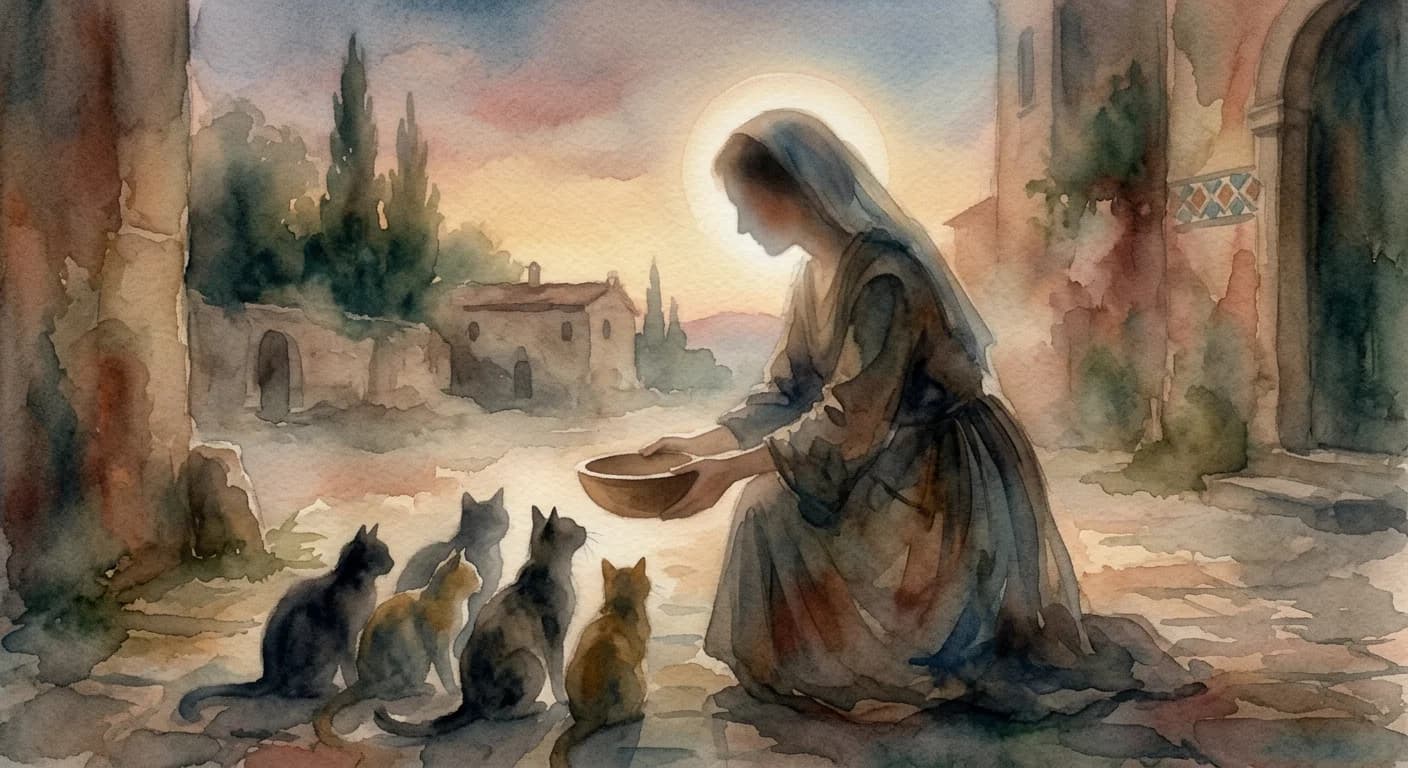
    Artistic representation of Gattara
    Italian•
    🇮🇹Italy

    Gattara

    /GAHT-tah-rah/

    Meaning

    A 'gattara' is a woman, often older, who dedicates her life to the meticulous care of stray cats, particularly within urban environments. This role transcends simple animal rescue, embodying a profound, often solitary, connection as she provides food, shelter, and affection. The term evokes selfless devotion and a quiet, almost sacred commitment to the well-being of marginalized felines, born from deep compassion and a powerful sense of empathy for creatures without a home.

    Literal Translation

    cat lady (informal, feminine)

    The Story Behind the Word

    The 'gattara' phenomenon is deeply rooted in Italian culture, particularly in bustling cities with ancient ruins and hidden corners where cat colonies thrive. Italy's long history with felines, from ancient Roman veneration to their presence in medieval alleyways, has fostered a unique societal tolerance and often affection for street cats. The 'gattara' embodies a very Italian form of personal responsibility and communal care, often stepping in where public services fall short. Her existence reflects a cultural appreciation for the underdog and a recognition of the inherent dignity of all living creatures, even those relegated to the margins. It also highlights a certain Italian pragmatism: rather than lamenting the presence of strays, the 'gattara' actively works to improve their lives, often silently and without expectation of reward.

    Experience It

    Morning Rounds in Trastevere

    Every morning, Signora Rossi, a petite woman with kind eyes, emerges with her worn canvas bag. She navigates the cobbled streets of Trastevere, calling softly, and soon, a dozen cats materialize from ancient archways and sun-drenched walls, eagerly awaiting her carefully prepared meal. She is the neighborhood's beloved gattara.

    A Sanctuary in the Ruins

    At the Largo di Torre Argentina, tourists often pause not just for the ancient temples, but for the hundreds of cats thriving amongst the ruins. Here, a team of dedicated gattare, supported by volunteers, work tirelessly to feed, spay, and neuter the colony, preserving a unique historical and animal haven.

    The Deeper Meaning

    The 'gattara' embodies a profound ethic of care and unwavering compassion for the vulnerable. Her dedication reveals a worldview that values empathy over utility, recognizing the intrinsic worth of every life, regardless of its societal standing. It suggests that true humanity is found in extending kindness to those who cannot ask for it, creating pockets of order and affection in an often indifferent urban landscape.

    Did You Know?

    Rome's Largo di Torre Argentina, famous for its ancient Roman temple ruins, is also home to one of the city's largest and most famous cat sanctuaries, almost entirely managed by gattare.

    How It's Used

    The term 'gattara' is used to describe women who are known for their extensive care of stray cats in their communities. It can be used affectionately or with a touch of admiration for their dedication.

    Emotions
    compassion,gratitude,love,serenity
    Contexts
    community,nature,solitude
    🇮🇹Italy

    by Sofia Rossi·Written Mar 10, 2026·Updated Apr 3, 2026

    Related Words

    Explore more
    HyggeDanish

    Hygge is more than mere coziness; it's a holistic embrace of comfort, warmth, and belonging that nourishes the soul. It describes the intentional creation of an intimate atmosphere where simple pleasures, genuine connection, and mindful presence converge, fostering a profound sense of contentment and well-being. It's about finding joy and peace in the small, everyday moments, often shared with loved ones.

    SaudadePortuguese

    Saudade encapsulates a profound, melancholic longing for something or someone cherished that is absent, often with the bittersweet knowledge that it may never return. It's a deep emotional state tinged with nostalgia, evoking a sense of loss for past experiences, places, or people, yet also holding a tender appreciation for the beauty of what once was. This yearning is not merely sadness, but a complex tapestry of desire, memory, and a poignant acceptance of absence, holding the beloved in a warm, persistent embrace within the heart.

    GezelligDutch

    Gezellig encapsulates a profound sense of warmth, belonging, and convivial comfort, extending beyond mere coziness to embrace the social and emotional atmosphere. It's the feeling of being truly at ease, surrounded by good company, laughter, and a shared sense of contentment. This untranslatable term describes not just a physical space, but a holistic experience where time seems to slow down, fostering genuine connection and a deep sense of well-being.

    Dolce far nienteItalian

    Dolce far niente captures the profound joy and effortless pleasure derived from simply existing without obligation or purpose. It's the art of savoring moments of pure, unadulterated idleness – lying in the sun, watching the clouds drift, or enjoying a leisurely coffee – not as a break from work, but as a valuable state in itself. This 'sweetness of doing nothing' is a conscious embrace of stillness and contentment, allowing the soul to breathe and the senses to fully engage with the present.