U.
HomeRegionsLanguagesEmotionsCollections
Find Your Word

“The limits of my language mean the limits of my world.”

— Ludwig Wittgenstein, Philosopher

Untranslatable

A curated collection of the world's most beautiful expressions—words that remind us language is humanity's greatest invention.

  • Home
  • Collections
  • Regions
  • Countries
  • Emotions
  • Tags
  • Contexts
  • Finder
  • Europe
  • Asia
  • Americas
  • Africa
  • Middle East
  • About
  • Contact
  • Privacy Policy
  • Terms of Service

2026 © Untranslatable. All rights reserved.

    /
    /
    1. Home
    2. /
    3. Europe
    4. /
    5. Daimon
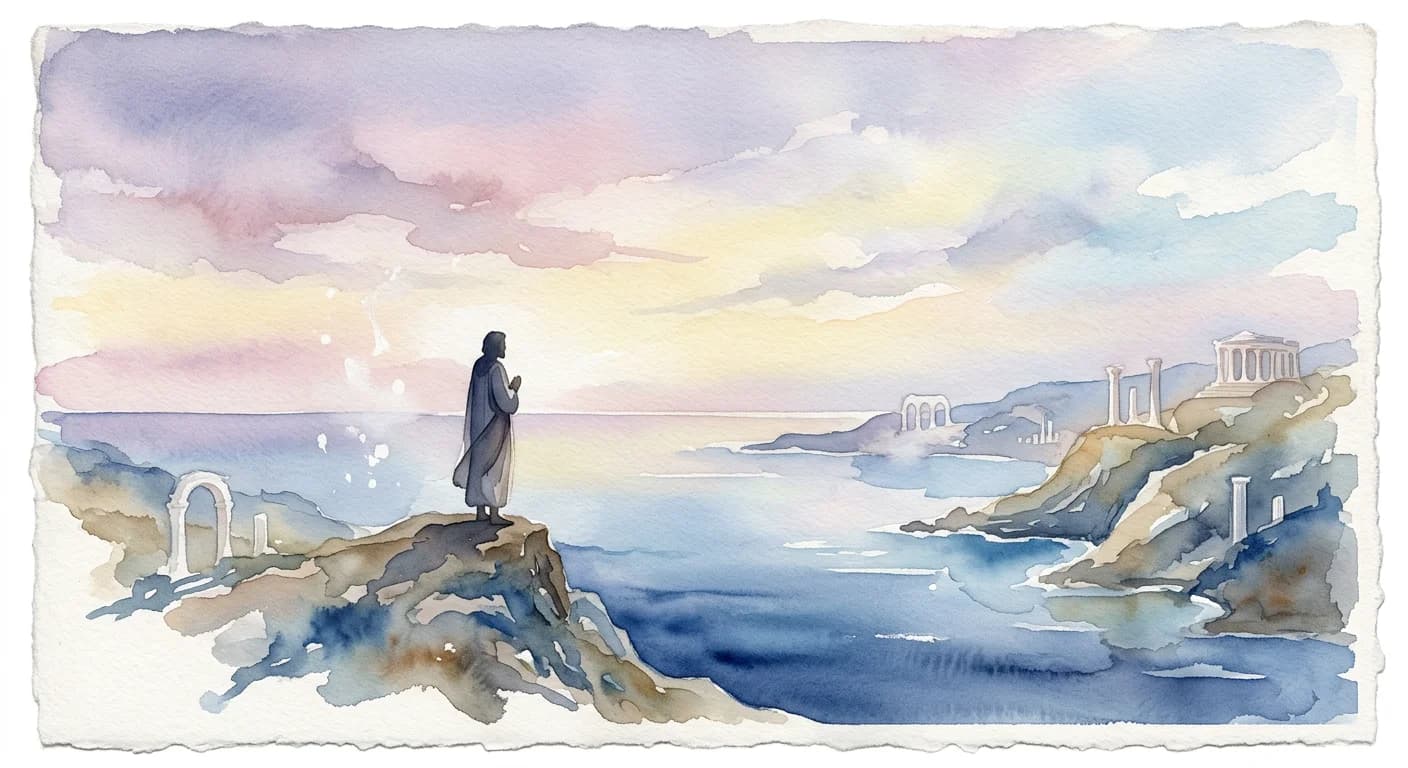
    Artistic representation of Daimon
    Ancient Greek•
    🇬🇷Greece

    Daimon

    /DAH-ee-mon/

    Meaning

    In Ancient Greek thought, a 'daimon' was a potent, often enigmatic, spiritual entity that served as a mediator between mortals and the divine. Far from inherently evil, it represented a guiding spirit, an inner genius, or a powerful influence shaping destiny and character. It was a force, both benevolent and malevolent, that could inspire moments of brilliance or lead to profound challenges, embodying the unseen hand that steers an individual's life path.

    Literal Translation

    divine power, fate, spirit

    The Story Behind the Word

    The concept of the 'daimon' is deeply embedded in ancient Greek cosmology, reflecting a worldview where the divine was intimately intertwined with human existence, not distant or abstract. It emerged from a polytheistic society that saw gods and spirits actively participating in the world, influencing fates and imparting wisdom. The daimon offered a framework to understand inexplicable urges, sudden insights, or profound personal challenges, attributing them to a spiritual, often personalized, guidance. Socrates' famous 'daimonion' — his inner divine sign that warned him against certain actions — is the most renowned example, illustrating how the Greeks perceived an intrinsic, often intuitive, connection to a higher spiritual realm. This word reveals a culture that acknowledged powerful, subjective, and sometimes ambiguous, spiritual forces at play in individual lives, shaping identity and choices.

    Experience It

    Socrates' Inner Voice

    As Socrates pondered a difficult ethical dilemma, his 'daimon' stirred within him, a subtle but insistent urge to refrain from a particular course of action, even if it seemed logical. He trusted this inner divine sign, believing it guided him towards a truer path, away from error.

    Poet's Inspiration

    A young poet, struggling with writer's block, suddenly felt an overwhelming surge of inspiration, as if a muse had touched his mind. He believed his personal daimon had awakened, bestowing upon him the words and imagery needed to complete his epic poem.

    The Deeper Meaning

    The 'daimon' reveals a profound ancient Greek understanding of self and destiny, suggesting that individuals are not merely products of their environment or conscious will, but also guided by an intrinsic, often pre-ordained, spiritual force. It speaks to a philosophy that valued self-knowledge and introspection, urging individuals to discern and align with their inner guiding spirit, recognizing that fate and character are shaped by powerful, unseen influences.

    Did You Know?

    The word 'daimon' is the etymological root of the English 'demon,' but its original Greek meaning was often positive or neutral, a stark contrast to its later Christian connotation of an evil spirit.

    How It's Used

    Used in philosophical and religious contexts, particularly when discussing ancient Greek thought, ethics, and spirituality. It appears in texts by Plato, Socrates, and other ancient thinkers.

    Emotions
    hope,serenity,wonder
    Contexts
    philosophy,religion,spirituality
    🇬🇷Greece

    by Sofia Rossi·Written Mar 10, 2026·Updated Apr 3, 2026

    Related Words

    Explore more
    HyggeDanish

    Hygge is more than mere coziness; it's a holistic embrace of comfort, warmth, and belonging that nourishes the soul. It describes the intentional creation of an intimate atmosphere where simple pleasures, genuine connection, and mindful presence converge, fostering a profound sense of contentment and well-being. It's about finding joy and peace in the small, everyday moments, often shared with loved ones.

    SaudadePortuguese

    Saudade encapsulates a profound, melancholic longing for something or someone cherished that is absent, often with the bittersweet knowledge that it may never return. It's a deep emotional state tinged with nostalgia, evoking a sense of loss for past experiences, places, or people, yet also holding a tender appreciation for the beauty of what once was. This yearning is not merely sadness, but a complex tapestry of desire, memory, and a poignant acceptance of absence, holding the beloved in a warm, persistent embrace within the heart.

    GezelligDutch

    Gezellig encapsulates a profound sense of warmth, belonging, and convivial comfort, extending beyond mere coziness to embrace the social and emotional atmosphere. It's the feeling of being truly at ease, surrounded by good company, laughter, and a shared sense of contentment. This untranslatable term describes not just a physical space, but a holistic experience where time seems to slow down, fostering genuine connection and a deep sense of well-being.

    Dolce far nienteItalian

    Dolce far niente captures the profound joy and effortless pleasure derived from simply existing without obligation or purpose. It's the art of savoring moments of pure, unadulterated idleness – lying in the sun, watching the clouds drift, or enjoying a leisurely coffee – not as a break from work, but as a valuable state in itself. This 'sweetness of doing nothing' is a conscious embrace of stillness and contentment, allowing the soul to breathe and the senses to fully engage with the present.

    Featured in 1 collection

    ✨Fate & Serendipity