U.
HomeRegionsLanguagesEmotionsCollections
Find Your Word

“The limits of my language mean the limits of my world.”

— Ludwig Wittgenstein, Philosopher

Untranslatable

A curated collection of the world's most beautiful expressions—words that remind us language is humanity's greatest invention.

  • Home
  • Collections
  • Regions
  • Countries
  • Emotions
  • Tags
  • Contexts
  • Finder
  • Europe
  • Asia
  • Americas
  • Africa
  • Middle East
  • About
  • Contact
  • Privacy Policy
  • Terms of Service

2026 © Untranslatable. All rights reserved.

    /
    /
    1. Home
    2. /
    3. Europe
    4. /
    5. Zaduma
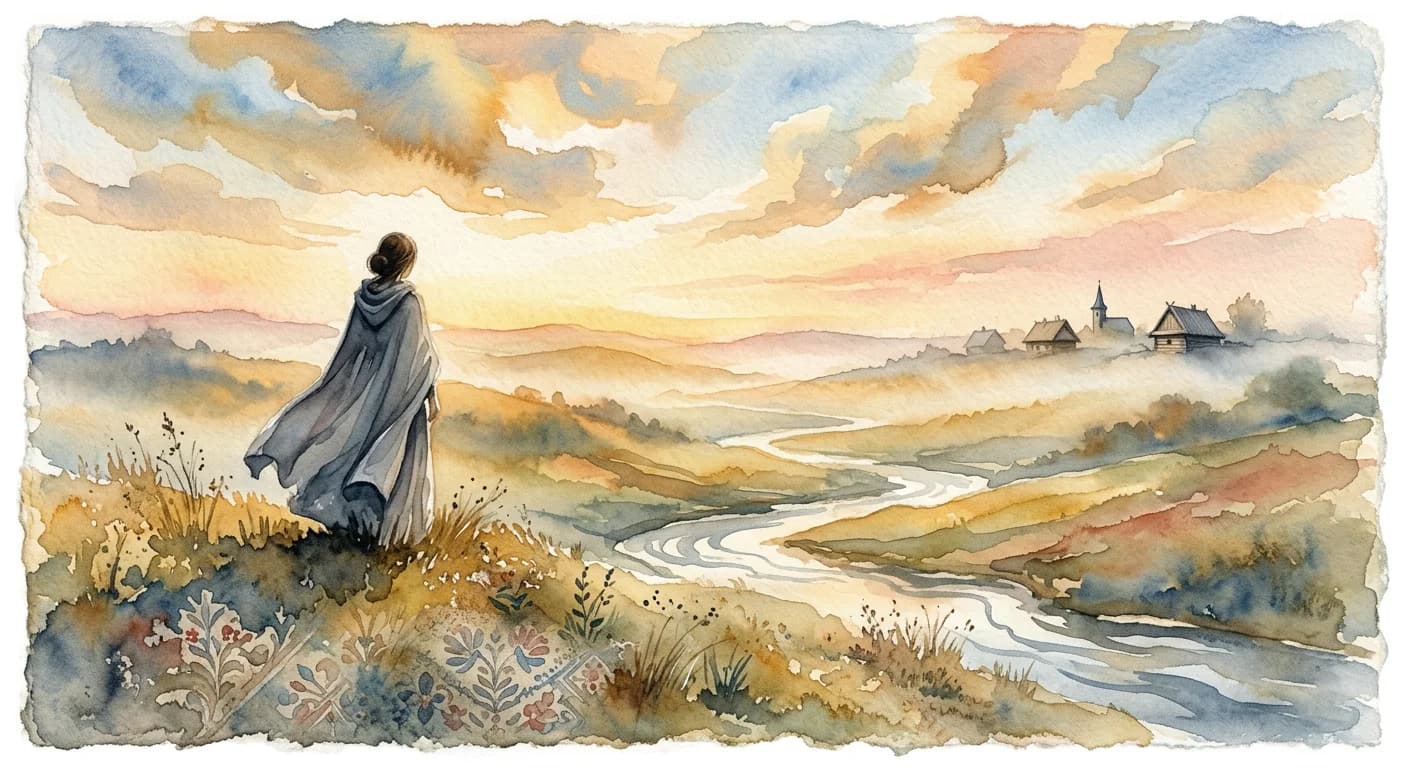
    Artistic representation of zaduma
    Polish•
    🇵🇱Poland

    Zaduma

    /zah-DOO-mah/

    Meaning

    Zaduma encapsulates a profound, often melancholic contemplation, a state where one's mind drifts into a deep, introspective reverie. It's more than mere thought; it's an emotional journey inward, processing life's intricate tapestry of memories, uncertainties, and existential questions. This quiet introspection, frequently sought in solitude, allows for a gentle wrestling with emotions and ideas, fostering a unique blend of pensive stillness and rich emotional depth.

    Literal Translation

    deep thought/contemplation

    The Story Behind the Word

    The existence and prominence of "zaduma" in the Polish lexicon speak volumes about a cultural inclination towards introspection and a nuanced appreciation for melancholy. Historically, Poland's tumultuous past, marked by partitions, uprisings, and periods of foreign domination, has fostered a collective psyche that often grapples with loss, resilience, and the search for meaning amidst hardship. This has instilled a deep-seated philosophical bent, where moments of quiet reflection are not seen as idleness but as essential for processing collective and individual experiences. Zaduma reflects a valuing of inner life, a recognition that profound understanding often emerges from solitary contemplation, far removed from the clamor of everyday life. It's a testament to a culture that acknowledges and even embraces the beauty and necessity of pensive states for emotional and spiritual growth.

    Experience It

    Riverside zaduma

    Sitting by the Vistula, an elderly woman gazed at the flowing water, her expression distant and soft. She wasn't just observing; she was lost in zaduma, perhaps recalling youthful days or contemplating the river's endless journey, mirroring her own life's passage.

    Artist's creative zaduma

    The painter stood before his unfinished canvas, brush in hand, yet his eyes were unfocused, staring into the middle distance. He was deep in zaduma, allowing ideas to coalesce, emotions to surface, shaping the unseen narrative of his next masterpiece.

    The Deeper Meaning

    Zaduma reveals a worldview that values interiority and acknowledges the profound insights gained through solitary reflection. It suggests that truth and understanding are not solely found in external engagement or logical deduction, but also in the rich, often melancholic, landscape of one's inner world. It underscores the belief that processing complex emotions and experiences is a vital part of the human condition, leading to deeper self-awareness and empathy.

    Did You Know?

    The Polish Romantic poets, like Adam Mickiewicz, frequently explored themes akin to zaduma, embedding this contemplative melancholy into the very fabric of Polish national identity and artistic expression.

    How It's Used

    Used to describe someone who is deeply lost in thought, appearing distant or preoccupied.

    Emotions
    melancholy,serenity
    Contexts
    personal growth,relaxation,solitude
    🇵🇱Poland

    by Annelise Dubois·Written Mar 10, 2026·Updated Apr 3, 2026

    Related Words

    Explore more
    HyggeDanish

    Hygge is more than mere coziness; it's a holistic embrace of comfort, warmth, and belonging that nourishes the soul. It describes the intentional creation of an intimate atmosphere where simple pleasures, genuine connection, and mindful presence converge, fostering a profound sense of contentment and well-being. It's about finding joy and peace in the small, everyday moments, often shared with loved ones.

    SaudadePortuguese

    Saudade encapsulates a profound, melancholic longing for something or someone cherished that is absent, often with the bittersweet knowledge that it may never return. It's a deep emotional state tinged with nostalgia, evoking a sense of loss for past experiences, places, or people, yet also holding a tender appreciation for the beauty of what once was. This yearning is not merely sadness, but a complex tapestry of desire, memory, and a poignant acceptance of absence, holding the beloved in a warm, persistent embrace within the heart.

    GezelligDutch

    Gezellig encapsulates a profound sense of warmth, belonging, and convivial comfort, extending beyond mere coziness to embrace the social and emotional atmosphere. It's the feeling of being truly at ease, surrounded by good company, laughter, and a shared sense of contentment. This untranslatable term describes not just a physical space, but a holistic experience where time seems to slow down, fostering genuine connection and a deep sense of well-being.

    Dolce far nienteItalian

    Dolce far niente captures the profound joy and effortless pleasure derived from simply existing without obligation or purpose. It's the art of savoring moments of pure, unadulterated idleness – lying in the sun, watching the clouds drift, or enjoying a leisurely coffee – not as a break from work, but as a valuable state in itself. This 'sweetness of doing nothing' is a conscious embrace of stillness and contentment, allowing the soul to breathe and the senses to fully engage with the present.