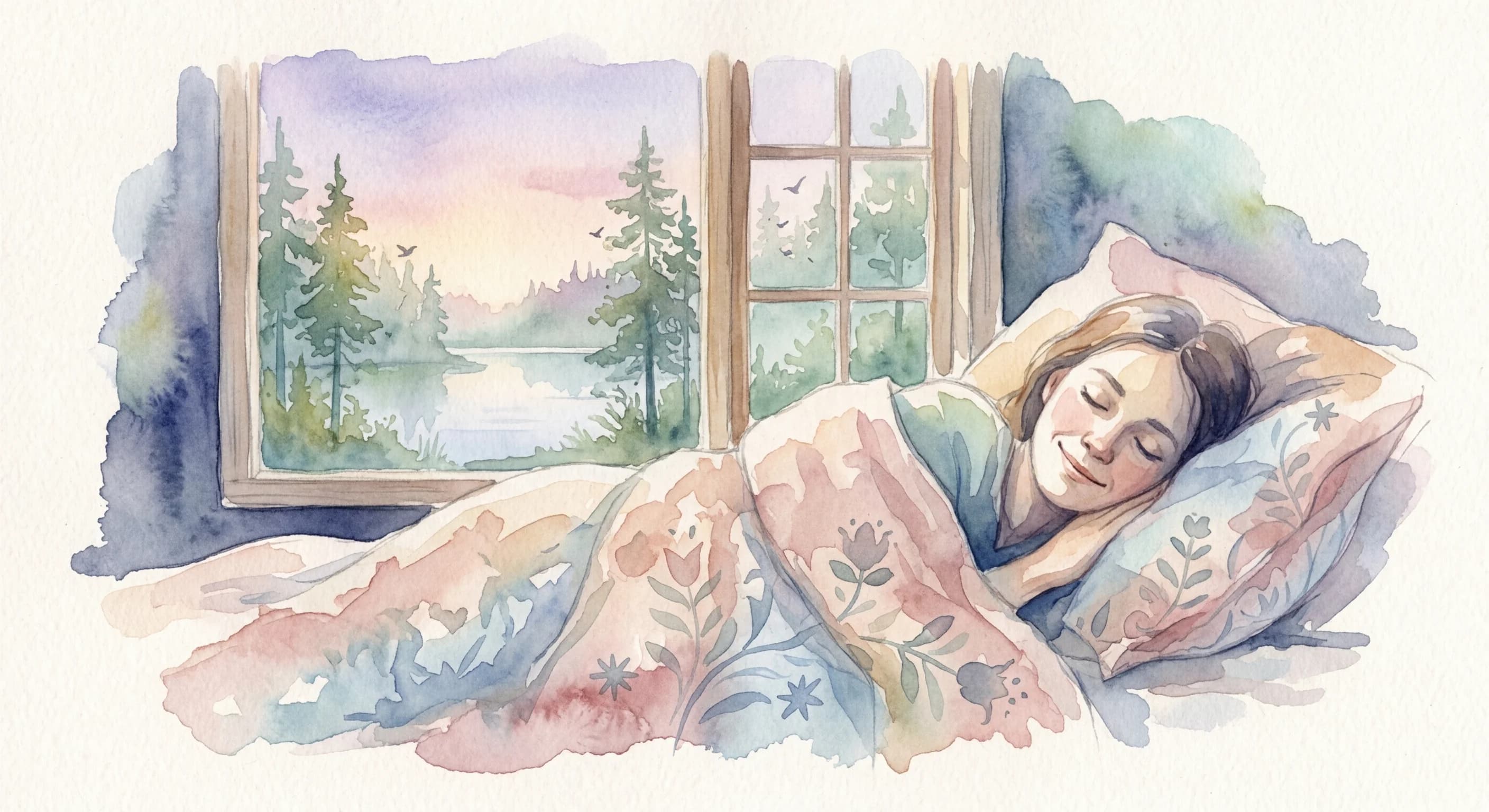
Gökotta
/GYOO-koh-tah/
Meaning
Gökotta is the cherished Swedish custom of rising early, often before the first blush of dawn, not out of obligation, but with the specific intention of luxuriating in the symphony of birdsong. This isn't merely early waking; it's a deliberate immersion in the tranquil transition from night's slumber to day's awakening, typically enjoyed from the cozy warmth of one's bed. It embodies a profound, almost meditative, appreciation for nature's daily rebirth, offering a moment of serene introspection before the world's demands intrude.
Literal Translation
Goat-wake (though the 'go' is not related to goats, but rather to the sound of birds)
The Story Behind the Word
The existence of 'Gökotta' in the Swedish lexicon speaks volumes about the deep-seated connection Swedes have with their natural environment, particularly after the long, dark winters. Spring and early summer are celebrated with an almost primal joy, and 'Gökotta' is a ritual that marks this seasonal shift, symbolizing renewal and hope. It reflects a cultural value placed on quiet contemplation, mindfulness, and finding beauty in simple, natural occurrences. This practice is intertwined with the broader Nordic appreciation for 'friluftsliv' (outdoor life) and the understanding that well-being is intrinsically linked to time spent in nature. It's a testament to a culture that actively seeks out and names moments of peace and natural harmony.
Experience It
Spring Morning Ritual
Elsa stirred just as the sky began to lighten, not to an alarm, but to the first tentative chirps outside her window. She pulled her duvet closer, smiling as the chorus of blackbirds and robins swelled, performing her annual 'Gökotta' from the comfort of her bed.
Cabin Retreat Serenity
On their summer cabin retreat, Johan made sure to set his internal clock for 'Gökotta.' He lay still, listening to the forest awaken with a myriad of bird calls, feeling the day's fresh potential unfold around him before even stepping outside.
The Deeper Meaning
Gökotta embodies a philosophy of intentional slowness and a reverence for the natural rhythm of life. It highlights a cultural understanding that true well-being isn't solely about productivity, but also about pausing to connect with the world around us. It suggests that moments of quiet appreciation and sensory immersion are vital for nourishing the soul and fostering a sense of belonging within the larger ecosystem.
Did You Know?
While 'Gökotta' literally means 'cuckoo-wake' (from 'gök' for cuckoo), the act encompasses listening to all birds, not just the cuckoo. The cuckoo's call is historically significant as a harbinger of spring.
How It's Used
This term is used to describe the act of waking up early specifically to hear the birds sing, often enjoyed from the comfort of one's bed. It's a practice associated with spring and early summer mornings in Sweden.