Banya
/BAHN-yah/
Meaning
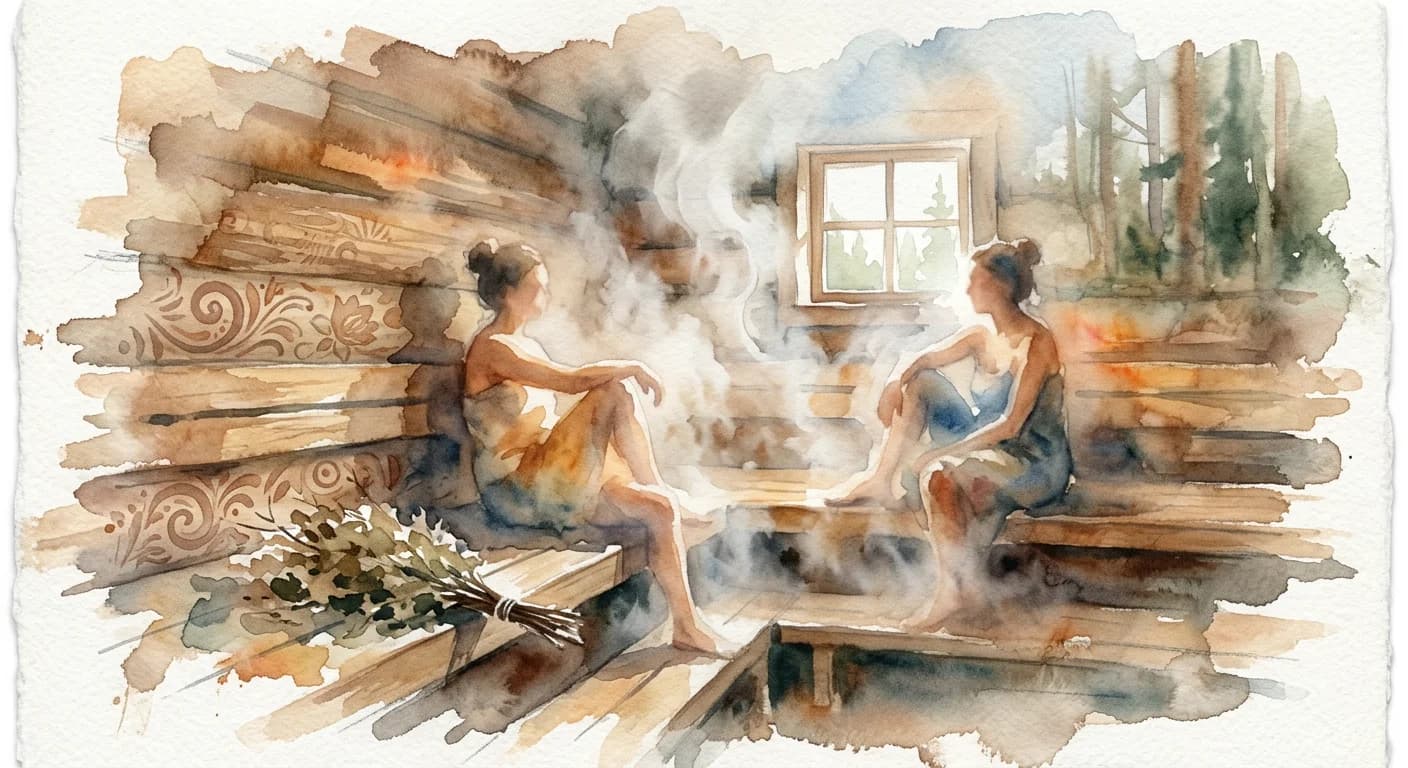
The banya is far more than a mere bathhouse; it's a sacred Russian ritual of purification, rejuvenation, and profound social bonding. Within its intensely heated steam rooms, bathers engage in vigorous self-flagellation with 'veniks' (bundles of birch, oak, or eucalyptus twigs) to stimulate circulation and deep cleanse the skin. This ancient practice transcends physical hygiene, offering a space for shedding worries, forging deep camaraderie, and experiencing a unique blend of physical invigoration and spiritual catharsis.
Literal Translation
bathhouse
The Story Behind the Word
The banya's roots stretch back centuries, predating Christianity in Russia. It was historically seen as a place of healing, birth, and even prophecy, imbued with mystical significance. Its enduring presence reveals a culture that deeply values physical purity as a reflection of spiritual well-being, and communal experience as essential to human connection. The banya is where social hierarchies often dissolve, and people can truly be themselves, fostering a sense of egalitarianism and trust. It's a testament to the Russian appreciation for enduring hardship (the intense heat) to achieve profound renewal, mirroring a national character often forged in resilience.
Experience It
Family Banya Day
After a long week, the Ivanov family gathers at their dacha's banya. Grandfather, with a joyful grunt, prepares the veniks while the children splash in the cold plunge pool, anticipating the steamy heat and the playful 'beating' from their parents, followed by kvass and heartfelt stories.
Business Deal Banya
Two business associates, trying to finalize a complex deal, head to a public banya. Amidst the steam and the shared experience of purification, the tension melts away, and a handshake over a cup of tea in the lounge feels more binding than any written contract, cementing not just a deal, but a personal bond.
The Deeper Meaning
The banya embodies a philosophy of holistic well-being, suggesting that physical cleansing is inextricably linked to mental and spiritual purification. It underscores the belief that enduring temporary discomfort can lead to profound renewal, and that true connection often happens when vulnerabilities are shared in a communal, ritualistic setting. It's a space where the individual self is simultaneously challenged and restored within a collective experience.
Did You Know?
It's common for banya-goers to jump into an ice-cold plunge pool, a snowdrift, or even a frozen lake immediately after the intense heat, a practice believed to boost immunity and invigorate the body.
How It's Used
Used to refer to a traditional Russian steam bathhouse and the act of bathing in it.