U.
HomeRegionsLanguagesEmotionsCollections
Find Your Word

“The limits of my language mean the limits of my world.”

— Ludwig Wittgenstein, Philosopher

Untranslatable

A curated collection of the world's most beautiful expressions—words that remind us language is humanity's greatest invention.

  • Home
  • Collections
  • Regions
  • Countries
  • Emotions
  • Tags
  • Contexts
  • Finder
  • Europe
  • Asia
  • Americas
  • Africa
  • Middle East
  • About
  • Contact
  • Privacy Policy
  • Terms of Service

2026 © Untranslatable. All rights reserved.

    /
    /
    1. Home
    2. /
    3. Europe
    4. /
    5. Merak
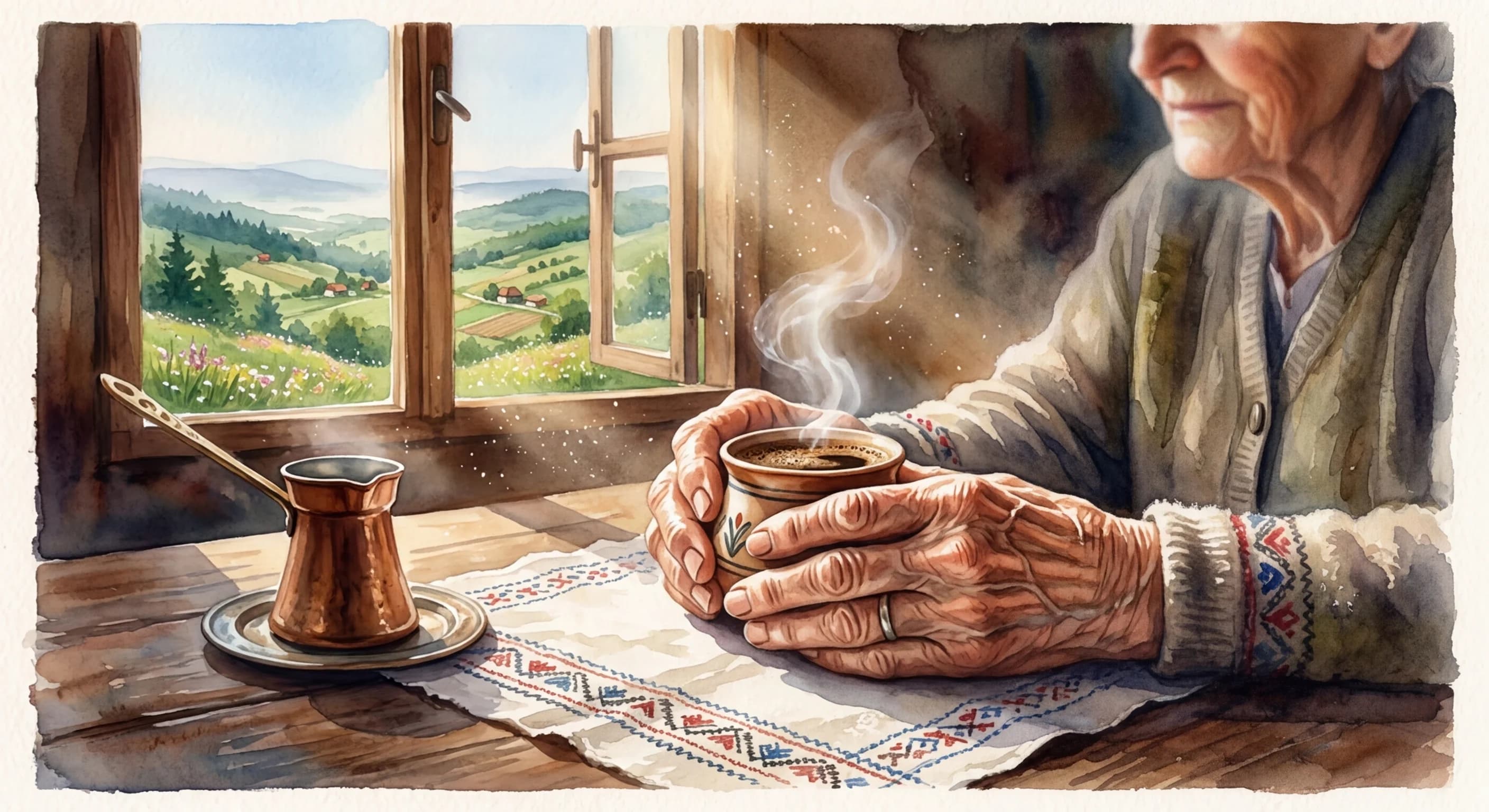
    Artistic representation of merak
    Serbian•
    🇧🇦Bosnia and Herzegovina🇭🇷Croatia🇲🇪Montenegro🇲🇰North Macedonia🇷🇸Serbia

    Merak

    /MEH-rahk/

    Meaning

    Merak encapsulates a deep, almost spiritual sense of joy and profound contentment, often found in the quiet appreciation of life's simple, everyday pleasures. It's a serene inner peace, a mindful savoring of the present moment that transcends mere happiness, frequently experienced in the warm embrace of loved ones, the beauty of nature, or during solitary reflection. This feeling is intrinsically woven with a sense of belonging and a gentle, appreciative connection to one's surroundings, signifying a profound embrace of existence.

    Literal Translation

    While 'merak' doesn't have a direct one-word English translation, it is related to concepts of delight, pleasure, and enjoyment.

    The Story Behind the Word

    The concept of merak is deeply ingrained in Serbian culture, reflecting a historical resilience and an appreciation for life's small blessings amidst often challenging circumstances. It speaks to a worldview where true richness isn't measured by material wealth but by the quality of one's inner state and connections. Its presence in the language highlights a cultural emphasis on slowness, savoring, and the profound value placed on human relationships and communal joy. Merak reveals a philosophical leaning towards finding profound satisfaction in the accessible and the authentic, rather than constantly striving for external achievements, fostering a unique blend of stoicism and hedonism. It's a cultural antidote to modern hurriedness, a reminder to pause and truly 'feel' life.

    Experience It

    Evening Coffee Merak

    Grandma Ana sips her strong Turkish coffee on the porch, watching the sunset paint the sky. The aroma, the quiet hum of the evening, and the thought of her family inside fill her with a deep sense of merak, a peaceful contentment that warms her soul.

    Friends and Music

    A group of friends gathers in a Belgrade kafana, sharing laughter, a bottle of rakija, and old folk songs played on a guitar. The easy camaraderie, the shared stories, and the melancholic beauty of the music create a collective merak that binds them in joyful solidarity.

    The Deeper Meaning

    Merak embodies a philosophy of mindful presence and appreciative hedonism, suggesting that true well-being comes from cultivating an internal state of contentment regardless of external circumstances. It reveals a worldview that values the qualitative over the quantitative, emphasizing the richness of experience and connection as the ultimate sources of meaning, challenging the constant pursuit of more by advocating for the profound satisfaction found in 'enough'.

    Did You Know?

    While often associated with pleasure, merak also carries a subtle undertone of longing or nostalgia, suggesting that the most profound joys are sometimes tinged with a delicate bittersweetness.

    How It's Used

    Used to describe a state of deep enjoyment, satisfaction, and pleasure derived from simple everyday things, often experienced during relaxation, spending time with friends and family, or enjoying nature.

    Emotions
    belonging,contentment,joy,peace,warmth
    Contexts
    dining,family,friendship,nature,relaxation
    🇧🇦Bosnia and Herzegovina🇭🇷Croatia🇲🇪Montenegro🇲🇰North Macedonia🇷🇸Serbia

    by Kwame Nkrumah·Written Mar 10, 2026·Updated Apr 3, 2026

    Related Words

    Explore more
    HyggeDanish

    Hygge is more than mere coziness; it's a holistic embrace of comfort, warmth, and belonging that nourishes the soul. It describes the intentional creation of an intimate atmosphere where simple pleasures, genuine connection, and mindful presence converge, fostering a profound sense of contentment and well-being. It's about finding joy and peace in the small, everyday moments, often shared with loved ones.

    SaudadePortuguese

    Saudade encapsulates a profound, melancholic longing for something or someone cherished that is absent, often with the bittersweet knowledge that it may never return. It's a deep emotional state tinged with nostalgia, evoking a sense of loss for past experiences, places, or people, yet also holding a tender appreciation for the beauty of what once was. This yearning is not merely sadness, but a complex tapestry of desire, memory, and a poignant acceptance of absence, holding the beloved in a warm, persistent embrace within the heart.

    GezelligDutch

    Gezellig encapsulates a profound sense of warmth, belonging, and convivial comfort, extending beyond mere coziness to embrace the social and emotional atmosphere. It's the feeling of being truly at ease, surrounded by good company, laughter, and a shared sense of contentment. This untranslatable term describes not just a physical space, but a holistic experience where time seems to slow down, fostering genuine connection and a deep sense of well-being.

    Dolce far nienteItalian

    Dolce far niente captures the profound joy and effortless pleasure derived from simply existing without obligation or purpose. It's the art of savoring moments of pure, unadulterated idleness – lying in the sun, watching the clouds drift, or enjoying a leisurely coffee – not as a break from work, but as a valuable state in itself. This 'sweetness of doing nothing' is a conscious embrace of stillness and contentment, allowing the soul to breathe and the senses to fully engage with the present.