U.
HomeRegionsLanguagesEmotionsCollections
Find Your Word

“The limits of my language mean the limits of my world.”

— Ludwig Wittgenstein, Philosopher

Untranslatable

A curated collection of the world's most beautiful expressions—words that remind us language is humanity's greatest invention.

  • Home
  • Collections
  • Regions
  • Countries
  • Emotions
  • Tags
  • Contexts
  • Finder
  • Europe
  • Asia
  • Americas
  • Africa
  • Middle East
  • About
  • Contact
  • Privacy Policy
  • Terms of Service

2026 © Untranslatable. All rights reserved.

    /
    /
    1. Home
    2. /
    3. Europe
    4. /
    5. Pomalo
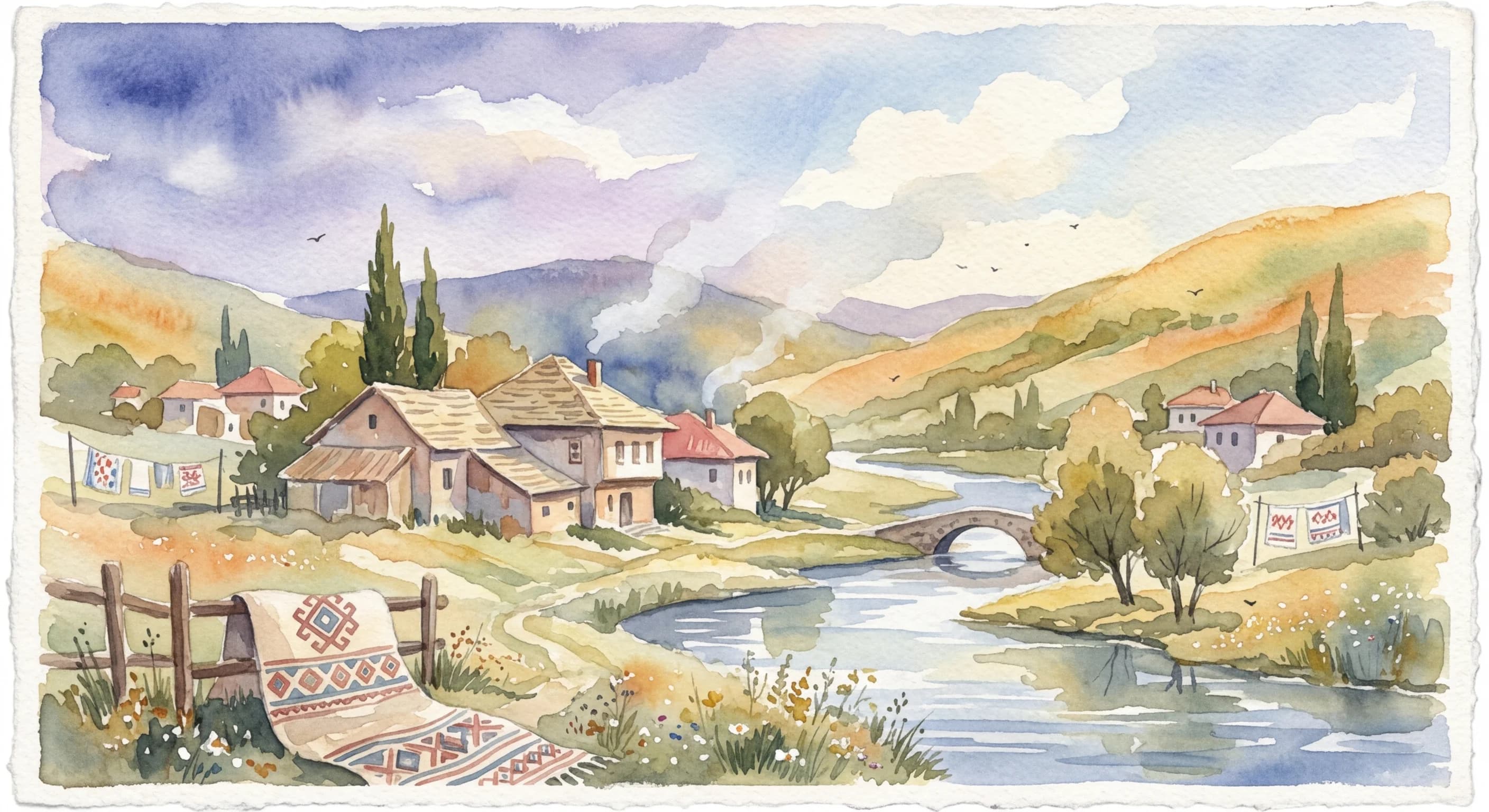
    Artistic representation of pomalo
    Serbian•
    🇧🇦Bosnia and Herzegovina🇭🇷Croatia🇲🇪Montenegro🇷🇸Serbia

    Pomalo

    /POH-mah-loh/

    Meaning

    Pomalo encapsulates a profound life philosophy, inviting individuals to embrace a gentle, unhurried rhythm, finding contentment in the present moment. It's an antidote to modern haste, advocating for a mindful deceleration where well-being and genuine enjoyment supersede the relentless pursuit of efficiency. This sentiment encourages a conscious cultivation of patience, savoring experiences, and appreciating the journey of life with an inherent understanding that true richness often unfolds at a more deliberate pace. It embodies a deep-seated cultural wisdom that prioritizes inner peace and balanced living.

    Literal Translation

    slowly, gently

    The Story Behind the Word

    The concept of "pomalo" is deeply rooted in the historical experiences and geographical realities of the Balkans, particularly along the Adriatic coast. Centuries of Ottoman rule, Venetian influence, and a subsistence-based agricultural and maritime lifestyle fostered a resilient yet distinctly unhurried approach to life. Time was often measured by natural rhythms – the sun, the seasons, the tides – rather than strict schedules. This created a cultural ethos where rushing was seen as unnatural, even disrespectful to the flow of life. "Pomalo" reflects a collective understanding that life's true joys are found in connection, conversation, and the simple act of being, rather than in endless striving. It's a pragmatic philosophy born from a history where control over external circumstances was often limited, leading to an emphasis on internal composure and a wise acceptance of life's pace.

    Experience It

    Morning Coffee Ritual

    Marko sits at a cafe, slowly sipping his espresso, watching the passersby. His friend, Ana, rushes over, apologizing for being late and suggesting they hurry to their next appointment. Marko smiles, gesturing to his untouched coffee, and says, 'Pomalo, Ana. There's no need to rush. The day will unfold as it should.'

    Gardening with Grandfather

    Young Luka is excitedly pulling weeds from his grandfather's garden, trying to clear the whole patch quickly. His Deda gently places a hand on his shoulder, 'Pomalo, unuk. Take your time. Enjoy the sun, feel the earth. The garden will be ready when it's ready, and so will we.'

    The Deeper Meaning

    "Pomalo" reveals a philosophy that challenges the linear, goal-oriented view of time prevalent in many Western societies. It suggests that life is not merely a series of tasks to be completed, but an experience to be savored. This worldview emphasizes presence, resilience, and a deep trust in the natural unfolding of events, fostering a sense of peace even amidst life's inevitable challenges by prioritizing internal calm over external urgency.

    Did You Know?

    While commonly associated with Serbia, "pomalo" is also a prevalent expression in Croatia, especially in Dalmatia, highlighting a shared cultural heritage of coastal serenity.

    How It's Used

    Used as an expression to encourage someone to slow down, take it easy, or to describe a general laid-back attitude.

    Emotions
    contentment,peace,serenity
    Contexts
    dining,friendship,relaxation,work
    🇧🇦Bosnia and Herzegovina🇭🇷Croatia🇲🇪Montenegro🇷🇸Serbia

    by Anya Petrova·Written Mar 10, 2026·Updated Apr 3, 2026

    Related Words

    Explore more
    HyggeDanish

    Hygge is more than mere coziness; it's a holistic embrace of comfort, warmth, and belonging that nourishes the soul. It describes the intentional creation of an intimate atmosphere where simple pleasures, genuine connection, and mindful presence converge, fostering a profound sense of contentment and well-being. It's about finding joy and peace in the small, everyday moments, often shared with loved ones.

    SaudadePortuguese

    Saudade encapsulates a profound, melancholic longing for something or someone cherished that is absent, often with the bittersweet knowledge that it may never return. It's a deep emotional state tinged with nostalgia, evoking a sense of loss for past experiences, places, or people, yet also holding a tender appreciation for the beauty of what once was. This yearning is not merely sadness, but a complex tapestry of desire, memory, and a poignant acceptance of absence, holding the beloved in a warm, persistent embrace within the heart.

    GezelligDutch

    Gezellig encapsulates a profound sense of warmth, belonging, and convivial comfort, extending beyond mere coziness to embrace the social and emotional atmosphere. It's the feeling of being truly at ease, surrounded by good company, laughter, and a shared sense of contentment. This untranslatable term describes not just a physical space, but a holistic experience where time seems to slow down, fostering genuine connection and a deep sense of well-being.

    Dolce far nienteItalian

    Dolce far niente captures the profound joy and effortless pleasure derived from simply existing without obligation or purpose. It's the art of savoring moments of pure, unadulterated idleness – lying in the sun, watching the clouds drift, or enjoying a leisurely coffee – not as a break from work, but as a valuable state in itself. This 'sweetness of doing nothing' is a conscious embrace of stillness and contentment, allowing the soul to breathe and the senses to fully engage with the present.