Fjaka
/FYAH-kah/
Meaning
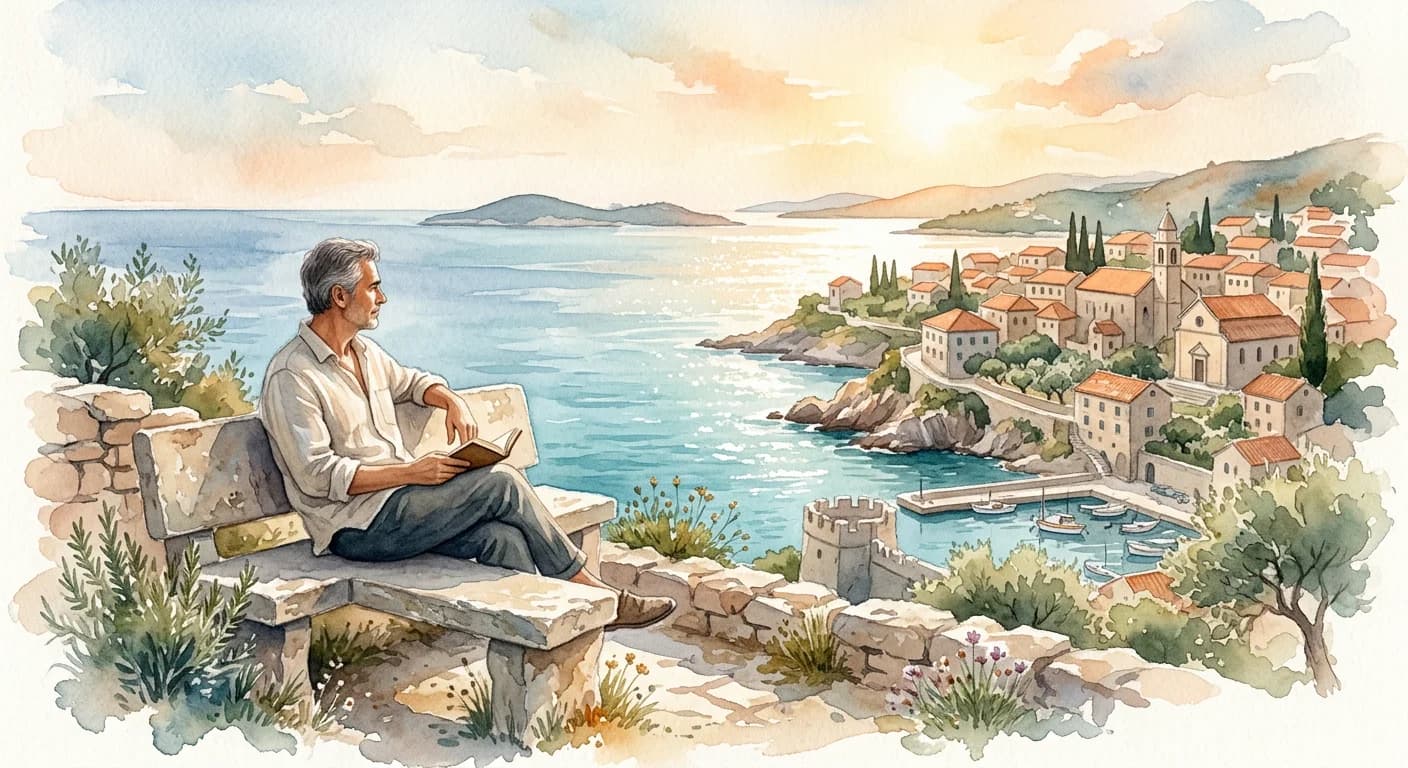
Fjaka is a cherished, almost spiritual state of profound blissful idleness, deeply rooted in Dalmatian culture. It transcends mere laziness, representing a conscious surrender to the present moment, where the body and mind find complete repose. This unique philosophy embraces doing nothing with purpose, often experienced under the warm Mediterranean sun, perhaps by the shimmering Adriatic Sea, fostering a gentle melancholy and a deep appreciation for life's simple, unhurried rhythms. It's a deliberate rejection of modern haste, a testament to finding peace in stillness.
Literal Translation
While there isn't a direct literal translation, it's often associated with 'laziness' or 'idleness' in a very positive, almost spiritual sense.
The Story Behind the Word
The concept of fjaka is intrinsically linked to the relaxed, sun-drenched lifestyle of the Dalmatian coast, particularly in Croatia. Its origins can be traced to the historical influences of Mediterranean cultures, where a slower pace of life, dictated by climate and proximity to the sea, became ingrained. Fjaka is not just a state but a cultural defense mechanism against the stresses of the outside world, a way for Dalmatians to assert their own rhythm. It reveals a worldview that prioritizes well-being, mental peace, and the enjoyment of the immediate over relentless productivity or material gain. It's a quiet rebellion, a celebration of existence for its own sake, rather than for achievement.
Experience It
Seaside Siesta
Marko reclines on a wooden bench overlooking the sapphire Adriatic, the midday sun warming his face. He’s not sleeping, nor is he actively thinking; he's simply 'in fjaka,' letting his gaze drift over the horizon, feeling the gentle sea breeze, completely content in his unburdened stillness.
Afternoon Repose
After a hearty lunch, Ana finds herself on her balcony, a half-read book resting on her lap. The city hums faintly below, but she's detached, eyes half-closed, enjoying the warmth and the quiet. She's not striving for anything, just existing peacefully in her state of fjaka.
The Deeper Meaning
Fjaka embodies a profound philosophical stance against the relentless pressure of modern productivity and constant doing. It suggests that true well-being and contentment are found not in accumulation or achievement, but in the conscious embrace of stillness, idleness, and mindful presence. It's a radical acceptance of 'being' over 'doing,' advocating for a life lived in harmony with natural rhythms rather than imposed schedules, fostering a deep appreciation for the ephemeral beauty of the present.
Did You Know?
There's an old Dalmatian saying: 'Bog je prvo stvorio čovjeka, pa onda fjaku' (God first created man, then fjaka), highlighting its fundamental importance in their way of life.
How It's Used
Used to describe the feeling of doing nothing, a state of blissful idleness, or a general philosophy of life focused on enjoying the present moment.