Átérezni
/AH-teh-rez-nee/
Meaning
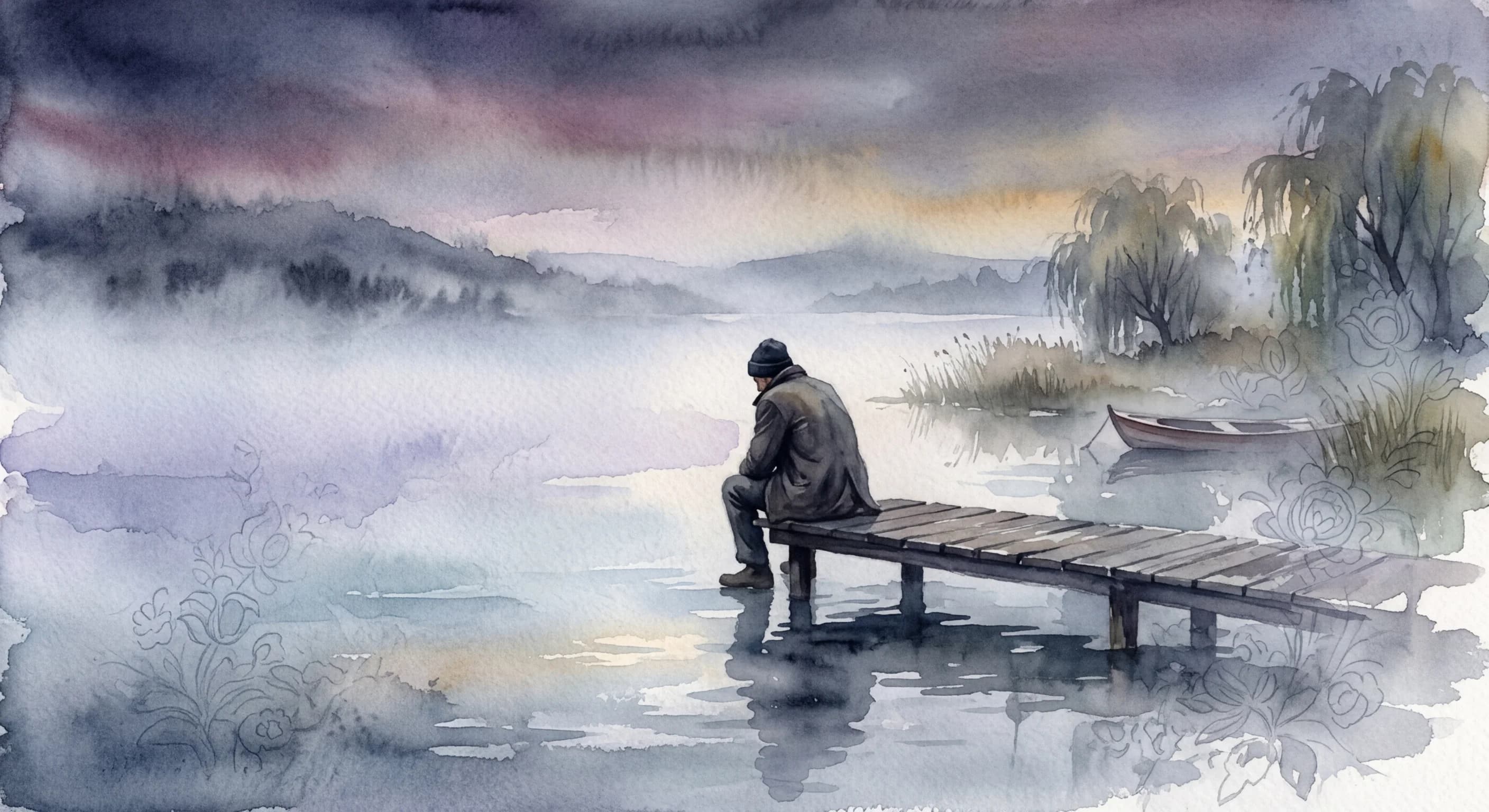
Átérezni captures that precise, often-dreaded moment when a situation, emotion, or task crosses an invisible threshold from tolerable to utterly overwhelming. It's not just 'too much,' but a definitive breaking point, a surrender to the impossibility of continued endurance. This verb embodies the deep sigh of exasperation and resignation, a recognition that one's capacity, patience, or physical limits have been irrevocably exhausted, and continuation is no longer viable.
Literal Translation
to pass over/through (in the sense of reaching a limit)
The Story Behind the Word
The existence of 'átérezni' in Hungarian speaks volumes about a cultural predisposition towards endurance, resilience, and a nuanced understanding of limits. Hungarian history, marked by periods of foreign rule, struggle, and perseverance, has fostered a collective psyche that often pushes through hardship until an absolute breaking point. 'Átérezni' isn't merely about personal annoyance; it often reflects a broader, almost fatalistic acceptance of reaching a point of no return after considerable effort. It suggests a society that values fortitude but also acknowledges the inevitable human boundary, a recognition that even the strongest will can 'pass over' its capacity. This word reveals a culture that is keenly attuned to the ebb and flow of human endurance, and the poignant, often weary, moment of giving in.
Experience It
Endless Bureaucracy
After three hours in line, navigating multiple forms and unhelpful clerks, István felt a profound 'átérezni'. He simply couldn't endure another minute of the bureaucratic labyrinth; his patience had completely evaporated, leaving only a weary resignation.
Overworked Mother
Éva had been juggling work, childcare, and household chores for weeks with little sleep. One evening, as her toddler spilled milk for the third time, she leaned against the counter, muttering 'átéreztem'. It wasn't anger, but a deep, overwhelming exhaustion that had finally reached its absolute limit.
The Deeper Meaning
This word reflects a philosophy deeply rooted in the recognition of human finitude and the limits of endurance. It acknowledges that even the most resilient spirit has a breaking point, and that pushing beyond it leads not to triumph, but to a necessary surrender. 'Átérezni' embodies a pragmatic acceptance of reality, a humble understanding that some burdens simply become too heavy to bear, revealing a culture that values steadfastness but also respects the ultimate boundaries of human capacity.
Did You Know?
While 'átérezni' sounds similar to 'érezni' (to feel), their meanings diverge significantly. 'Át-' as a prefix often denotes 'through' or 'over,' transforming the act of feeling into the experience of passing beyond a limit.
How It's Used
Used to describe a situation, feeling, or task that has become unbearable or excessive. For example, 'Már átéreztem a határokat' (I've reached my limits) or 'Ez a zaj már átérezte' (This noise has become too much).