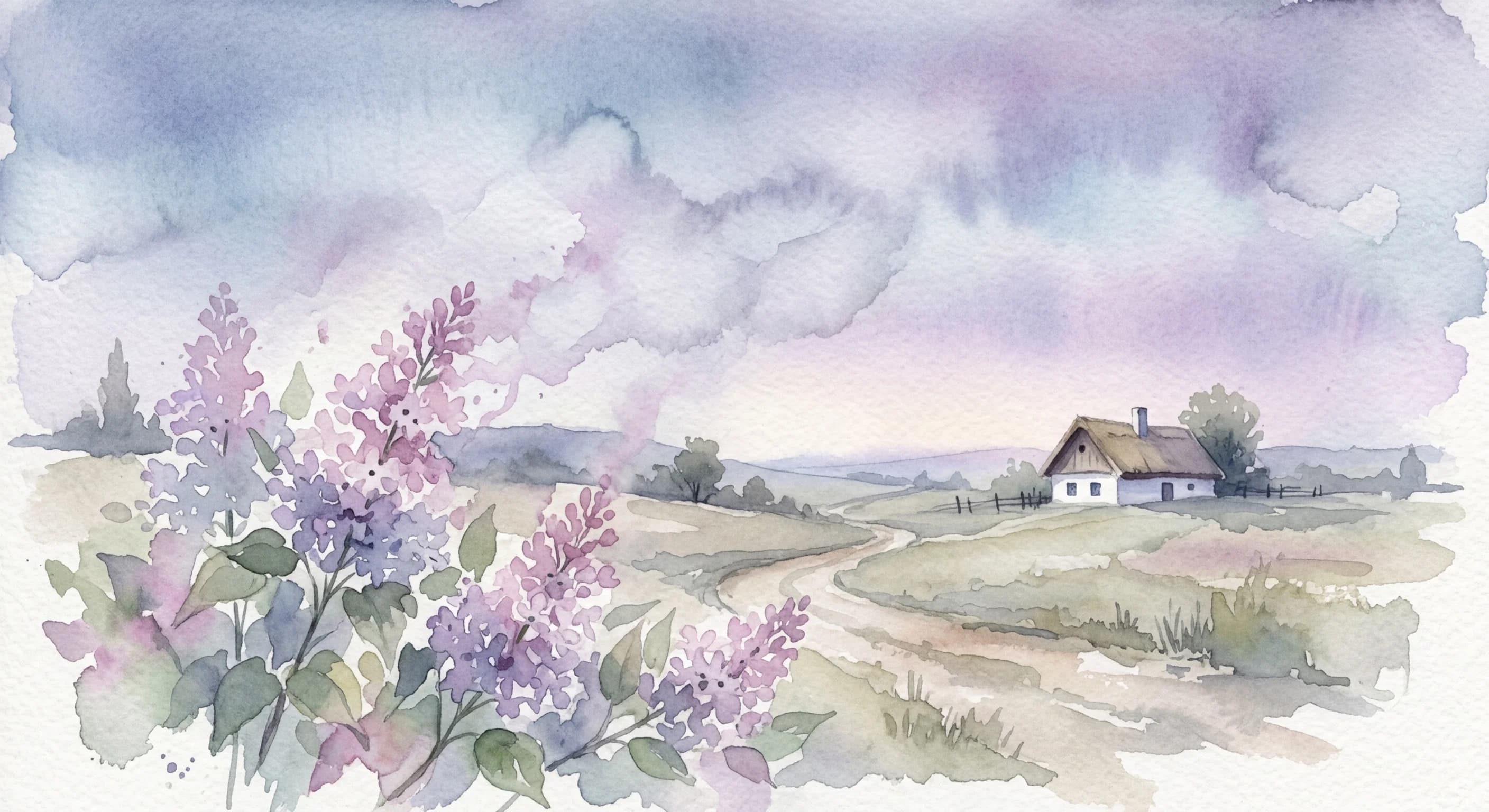
Elszenderedni
/EL-sen-deh-red-nee/
Meaning
This Hungarian verb captures the delicate process of a pleasant sensory experience — be it a fragrant aroma, a gentle sound, or even the soft glow of twilight — gradually and beautifully dissipating into the distance. It evokes the tender wistfulness that accompanies the quiet departure of something lovely, recognizing the transient nature of joy and beauty. It's not about abrupt disappearance, but a graceful, almost melancholic, diffusion, leaving behind a lingering echo rather than an absence.
Literal Translation
to fade away, to drift away
The Story Behind the Word
The existence of 'elszenderedni' in Hungarian culture speaks volumes about a deep appreciation for the ephemeral and a nuanced relationship with melancholy. Hungarian folk art, music, and poetry often dwell on themes of transience, the beauty of fleeting moments, and a quiet acceptance of loss. This word doesn't just describe a physical phenomenon; it embodies a cultural sensitivity to the subtle shifts in atmosphere and emotion. It reflects a worldview where the passing of pleasant things is not necessarily a cause for despair, but an opportunity for wistful contemplation, acknowledging that beauty often lies in its impermanence. This linguistic precision for such a subtle concept suggests a society that values introspection and emotional depth.
Experience It
Fading Lilac Scent
As the evening breeze picked up, the intoxicating scent of the neighbor's lilacs, which had filled the garden all afternoon, began to elszenderedni, gently drifting further and further until only a faint memory remained.
Distant Melody's End
The enchanting notes of the street musician's violin started to elszenderedni as she walked away, the melody softening and dissolving into the city's background hum, leaving a sweet echo in the air.
The Deeper Meaning
This word encapsulates a profound philosophical insight into the nature of existence: that all beautiful things are transient. It's a linguistic embrace of impermanence, suggesting that true appreciation often comes from acknowledging the temporary nature of joy and sensory delight. It encourages a mindful engagement with the present moment, understanding that its beauty is often heightened by its eventual, gentle departure.
Did You Know?
Did you know 'elszenderedni' is often used poetically to describe the fading light of dusk, likening the sun's gentle departure to a lullaby, or 'szendergés', which means slumber?
How It's Used
Used to describe the fading of pleasant scents, sounds, or even light, often with a touch of wistfulness.