U.
HomeRegionsLanguagesEmotionsCollections
Find Your Word

“The limits of my language mean the limits of my world.”

— Ludwig Wittgenstein, Philosopher

Untranslatable

A curated collection of the world's most beautiful expressions—words that remind us language is humanity's greatest invention.

  • Home
  • Collections
  • Regions
  • Countries
  • Emotions
  • Tags
  • Contexts
  • Finder
  • Europe
  • Asia
  • Americas
  • Africa
  • Middle East
  • About
  • Contact
  • Privacy Policy
  • Terms of Service

2026 © Untranslatable. All rights reserved.

    /
    /
    1. Home
    2. /
    3. Europe
    4. /
    5. Didukh
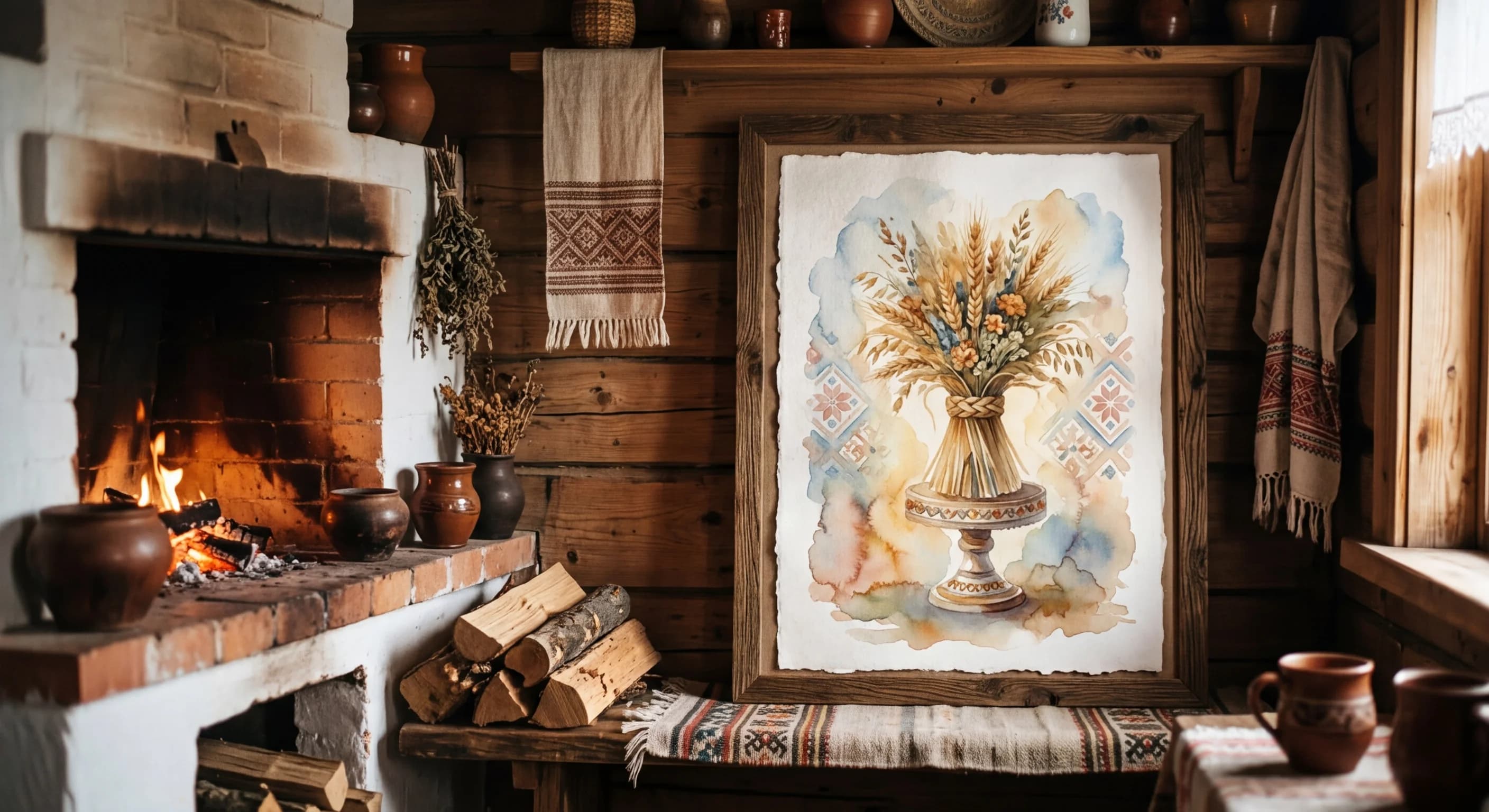
    Artistic representation of Didukh
    Ukrainian•
    🇺🇦Ukraine

    Didukh

    /DEE-dookh/

    Meaning

    The Didukh is a profound symbol in Ukrainian culture, traditionally crafted from the last sheaves of wheat or oats harvested. It embodies the ancestral spirits, the fertility of the land, and the prosperity of the household, serving as a tangible link between past generations and the present family. Brought into the home for the Christmas season, it acts as a sacred guardian, inviting blessings and ensuring continuity, deeply rooted in the cycles of nature and family heritage. More than a decoration, it is a living representation of enduring spirit and belonging.

    Literal Translation

    spirit of the home

    The Story Behind the Word

    The Didukh's existence is deeply rooted in Ukraine's agrarian past and animistic beliefs, predating Christianization. It reflects a worldview where the spirits of ancestors are intrinsically linked to the land's fertility and the family's well-being. By bringing the 'spirit of the home' (its literal translation) into the dwelling, Ukrainians acknowledge their dependence on nature's bounty and honor those who came before. This tradition reveals a profound respect for lineage, the earth, and the cyclical nature of life, expressing a desire for harmony between the human and spiritual realms. It underscores a collective identity tied to the land and a reverence for the continuity of generations.

    Experience It

    Christmas Eve Ceremony

    As dusk falls on Sviata Vecherya (Christmas Eve), Baba Hanna carefully carries the handcrafted Didukh into her cozy village home. She places it reverently in the most honored corner, its wheat stalks shimmering under the lamplight, a silent invitation for the spirits of her ancestors to join the festive meal and bless the family.

    Blessing the Harvest

    After the Epiphany, young Taras and his grandfather gently take apart the dried Didukh. They scatter its blessed grains among the new spring plantings in their fields, believing this act will infuse the soil with ancestral wisdom and ensure a bountiful harvest, continuing the ancient cycle of life and gratitude.

    The Deeper Meaning

    The Didukh encapsulates a philosophy of interconnectedness: between humanity and nature, the living and the dead, and the past, present, and future. It highlights a worldview where prosperity is not just material wealth but a holistic well-being derived from honoring one's roots, respecting the earth's bounty, and maintaining spiritual harmony within the home and community.

    Did You Know?

    Traditionally, the Didukh was not merely placed in the home; it was often the first 'guest' to enter for Christmas, symbolizing the ancestral spirits arriving to partake in the festivities.

    How It's Used

    The Didukh is a central element of Ukrainian Christmas traditions. It is typically made by hand from sheaves of grain and placed in a prominent spot in the home during the holiday season, usually from Christmas Eve until Epiphany. It is venerated as a symbol of the harvest, ancestors, and good fortune.

    Emotions
    belonging,gratitude,nostalgia,warmth
    Contexts
    celebration,family,seasons,tradition
    🇺🇦Ukraine

    by Kwame Nkrumah·Written Mar 10, 2026·Updated Apr 3, 2026

    Related Words

    Explore more
    HyggeDanish

    Hygge is more than mere coziness; it's a holistic embrace of comfort, warmth, and belonging that nourishes the soul. It describes the intentional creation of an intimate atmosphere where simple pleasures, genuine connection, and mindful presence converge, fostering a profound sense of contentment and well-being. It's about finding joy and peace in the small, everyday moments, often shared with loved ones.

    SaudadePortuguese

    Saudade encapsulates a profound, melancholic longing for something or someone cherished that is absent, often with the bittersweet knowledge that it may never return. It's a deep emotional state tinged with nostalgia, evoking a sense of loss for past experiences, places, or people, yet also holding a tender appreciation for the beauty of what once was. This yearning is not merely sadness, but a complex tapestry of desire, memory, and a poignant acceptance of absence, holding the beloved in a warm, persistent embrace within the heart.

    GezelligDutch

    Gezellig encapsulates a profound sense of warmth, belonging, and convivial comfort, extending beyond mere coziness to embrace the social and emotional atmosphere. It's the feeling of being truly at ease, surrounded by good company, laughter, and a shared sense of contentment. This untranslatable term describes not just a physical space, but a holistic experience where time seems to slow down, fostering genuine connection and a deep sense of well-being.

    Dolce far nienteItalian

    Dolce far niente captures the profound joy and effortless pleasure derived from simply existing without obligation or purpose. It's the art of savoring moments of pure, unadulterated idleness – lying in the sun, watching the clouds drift, or enjoying a leisurely coffee – not as a break from work, but as a valuable state in itself. This 'sweetness of doing nothing' is a conscious embrace of stillness and contentment, allowing the soul to breathe and the senses to fully engage with the present.