U.
HomeRegionsLanguagesEmotionsCollections
Find Your Word

“The limits of my language mean the limits of my world.”

— Ludwig Wittgenstein, Philosopher

Untranslatable

A curated collection of the world's most beautiful expressions—words that remind us language is humanity's greatest invention.

  • Home
  • Collections
  • Regions
  • Countries
  • Emotions
  • Tags
  • Contexts
  • Finder
  • Europe
  • Asia
  • Americas
  • Africa
  • Middle East
  • About
  • Contact
  • Privacy Policy
  • Terms of Service

2026 © Untranslatable. All rights reserved.

    /
    /
    1. Home
    2. /
    3. Europe
    4. /
    5. Chumak
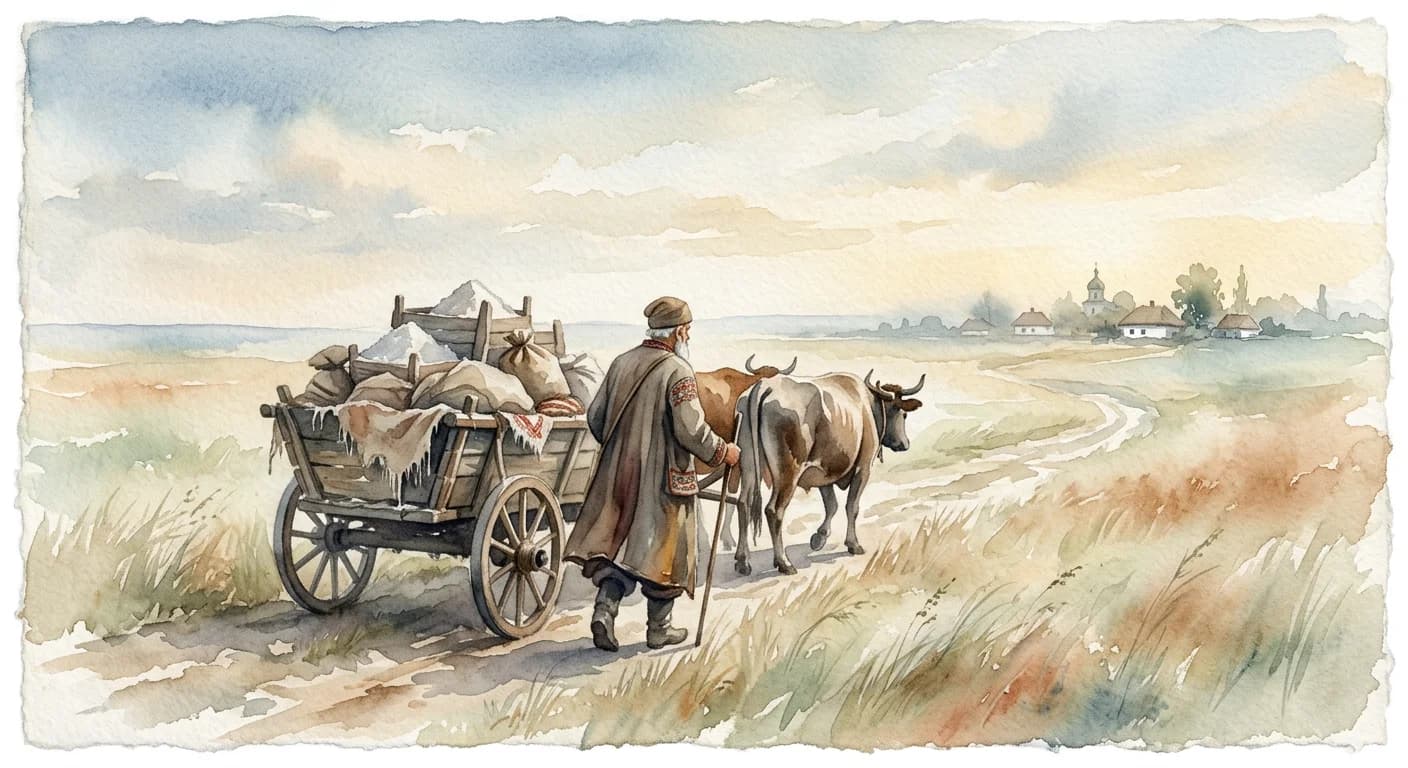
    Artistic representation of Chumak
    Ukrainian•
    🇺🇦Ukraine

    Chumak

    /CHOO-mahk/

    Meaning

    Chumak refers to the iconic Ukrainian salt and fish merchants who traversed the vast, often perilous, steppe roads from the 15th to the early 20th centuries. Driving ox-drawn wagons laden with goods, they embodied a life of arduous journeys, resourcefulness, and deep connection to the land's trade routes. This term evokes a powerful image of resilience against nature's whims and brigandage, representing a crucial historical link between Ukraine's southern and inland regions.

    Literal Translation

    The exact etymology is debated, but it is often linked to Turkic words for 'to salt' or 'to trade'.

    The Story Behind the Word

    The Chumaky were more than just traders; they were cultural intermediaries, bringing news and goods from distant lands, shaping local economies, and fostering a sense of connection across diverse regions. Their existence highlights Ukraine's historical position at the crossroads of trade routes between Europe and Asia, and their reliance on the vast, open steppes. The songs and legends surrounding Chumaky often romanticize their daring spirit, their independence, and their profound connection to the land and its unpredictable elements. They symbolized freedom and self-reliance, yet also the constant threat of danger. Their eventual decline with the advent of railways marked the end of a unique era, but their legacy persists in Ukrainian folklore and national identity, representing a spirit of enterprise and enduring resilience.

    Experience It

    A Long Journey's End

    After months on the road, the weary Chumak finally guided his oxen into the bustling market square. The scent of pine and salt clung to his clothes, a testament to the long, solitary journey from the Black Sea, eager to trade his precious cargo for grain and news from home.

    Remembering the Ancestors

    At the village festival, the elder sang a soulful Chumak ballad, recounting tales of perilous journeys and brave merchants. Young children listened, imagining the creak of the wagons and the vastness of the steppe, connecting with the adventurous spirit of their ancestors.

    The Deeper Meaning

    The Chumak embodies a philosophy of self-reliance and an intimate understanding of the natural world, where survival depended on keen observation, endurance, and a respectful negotiation with both nature and fellow humans. It reflects a worldview where sustenance is earned through hard-won journeys and trade, valuing practical skill and resilience above all.

    Did You Know?

    Chumaky often traveled in large caravans for protection, sometimes numbering hundreds of wagons, making them formidable forces traversing the wild steppes.

    How It's Used

    Historically, it referred to the merchants and carters themselves. Today, it is used to refer to this historical group, in cultural contexts, and sometimes metaphorically to describe someone engaged in long-distance trade or travel.

    Emotions
    belonging,gratitude,nostalgia
    Contexts
    history,travel,work
    🇺🇦Ukraine

    by Kwame Nkrumah·Written Mar 10, 2026·Updated Apr 3, 2026

    Related Words

    Explore more
    HyggeDanish

    Hygge is more than mere coziness; it's a holistic embrace of comfort, warmth, and belonging that nourishes the soul. It describes the intentional creation of an intimate atmosphere where simple pleasures, genuine connection, and mindful presence converge, fostering a profound sense of contentment and well-being. It's about finding joy and peace in the small, everyday moments, often shared with loved ones.

    SaudadePortuguese

    Saudade encapsulates a profound, melancholic longing for something or someone cherished that is absent, often with the bittersweet knowledge that it may never return. It's a deep emotional state tinged with nostalgia, evoking a sense of loss for past experiences, places, or people, yet also holding a tender appreciation for the beauty of what once was. This yearning is not merely sadness, but a complex tapestry of desire, memory, and a poignant acceptance of absence, holding the beloved in a warm, persistent embrace within the heart.

    GezelligDutch

    Gezellig encapsulates a profound sense of warmth, belonging, and convivial comfort, extending beyond mere coziness to embrace the social and emotional atmosphere. It's the feeling of being truly at ease, surrounded by good company, laughter, and a shared sense of contentment. This untranslatable term describes not just a physical space, but a holistic experience where time seems to slow down, fostering genuine connection and a deep sense of well-being.

    Dolce far nienteItalian

    Dolce far niente captures the profound joy and effortless pleasure derived from simply existing without obligation or purpose. It's the art of savoring moments of pure, unadulterated idleness – lying in the sun, watching the clouds drift, or enjoying a leisurely coffee – not as a break from work, but as a valuable state in itself. This 'sweetness of doing nothing' is a conscious embrace of stillness and contentment, allowing the soul to breathe and the senses to fully engage with the present.