U.
HomeRegionsLanguagesEmotionsCollections
Find Your Word

“The limits of my language mean the limits of my world.”

— Ludwig Wittgenstein, Philosopher

Untranslatable

A curated collection of the world's most beautiful expressions—words that remind us language is humanity's greatest invention.

  • Home
  • Collections
  • Regions
  • Countries
  • Emotions
  • Tags
  • Contexts
  • Finder
  • Europe
  • Asia
  • Americas
  • Africa
  • Middle East
  • About
  • Contact
  • Privacy Policy
  • Terms of Service

2026 © Untranslatable. All rights reserved.

    /
    /
    1. Home
    2. /
    3. Europe
    4. /
    5. Raba
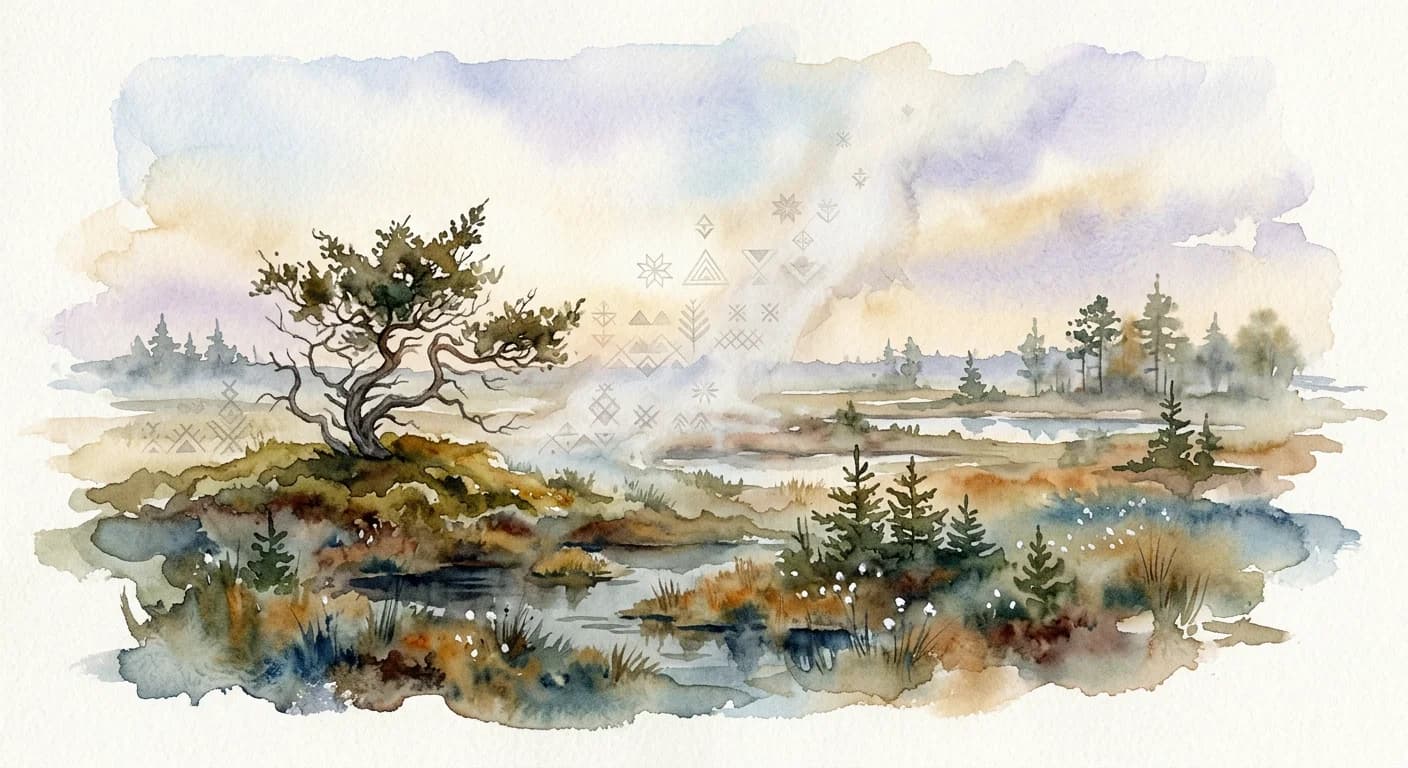
    Artistic representation of raba
    Estonian•
    🇪🇪Estonia

    Raba

    /RAH-bah/

    Meaning

    In Estonian, 'raba' denotes a specific type of bog or mire, characterized by its vast, often treeless expanses, dotted with peat pools and dwarf shrubs. It evokes a potent sense of wild, untamed nature, a place of profound solitude and stark, ethereal beauty. This primordial landscape is deeply etched into the Estonian psyche, symbolizing resilience, timelessness, and an unbreakable bond with the land's ancient past, offering a humbling and deeply peaceful respite from modern life.

    Literal Translation

    bog, mire

    The Story Behind the Word

    The 'raba' is more than just a geographical feature in Estonia; it's a cornerstone of the national identity and a profound symbol. Historically, these challenging terrains offered refuge during times of invasion, becoming places of hiding and silent resistance, fostering a deep respect for their protective power. They are also integral to Estonian folklore, often depicted as mystical places where nature's spirits dwell, or as a source of medicinal plants and berries. The 'raba' embodies the Estonian character: resilient, introspective, and deeply connected to a raw, untamed natural world. It speaks to a worldview that values perseverance, quiet strength, and an appreciation for the subtle, often stark, beauty of their homeland, reflecting a harmony with nature rather than a desire to conquer it.

    Experience It

    Morning Mist Walk

    As the sun crept over the horizon, casting long shadows, Jüri stood at the edge of the 'raba'. A thick mist still clung to the low-lying pines, and the only sound was the distant cry of a bird, offering a profound sense of peace and connection to the ancient land.

    Childhood Foraging

    Grandmother held Anu's hand tightly as they ventured onto the boardwalks of the 'raba', searching for cloudberries. The spongy ground beneath their feet and the vast openness filled Anu with a mix of wonder and a slight, thrilling fear of getting lost in its wild embrace.

    The Deeper Meaning

    'Raba' encapsulates a philosophical stance of deep respect for nature's untamed power and an acceptance of its inherent wildness. It reflects a worldview where humans are not masters of the land, but rather humble inhabitants, finding solace and strength in the raw, ancient rhythms of the natural world, fostering introspection and a sense of timeless belonging.

    Did You Know?

    Estonia is one of the most bog-rich countries in the world, with 'raba' landscapes covering about 22% of its territory, making them a defining feature of the nation.

    How It's Used

    Used to describe the natural landscape of bogs and mires found in Estonia. It can be used literally to refer to the terrain or metaphorically to evoke a sense of wildness or solitude.

    Emotions
    peace,serenity,wonder
    Contexts
    nature,seasons,solitude
    🇪🇪Estonia

    by Anya Petrova·Written Mar 10, 2026·Updated Apr 3, 2026

    Related Words

    Explore more
    HyggeDanish

    Hygge is more than mere coziness; it's a holistic embrace of comfort, warmth, and belonging that nourishes the soul. It describes the intentional creation of an intimate atmosphere where simple pleasures, genuine connection, and mindful presence converge, fostering a profound sense of contentment and well-being. It's about finding joy and peace in the small, everyday moments, often shared with loved ones.

    SaudadePortuguese

    Saudade encapsulates a profound, melancholic longing for something or someone cherished that is absent, often with the bittersweet knowledge that it may never return. It's a deep emotional state tinged with nostalgia, evoking a sense of loss for past experiences, places, or people, yet also holding a tender appreciation for the beauty of what once was. This yearning is not merely sadness, but a complex tapestry of desire, memory, and a poignant acceptance of absence, holding the beloved in a warm, persistent embrace within the heart.

    GezelligDutch

    Gezellig encapsulates a profound sense of warmth, belonging, and convivial comfort, extending beyond mere coziness to embrace the social and emotional atmosphere. It's the feeling of being truly at ease, surrounded by good company, laughter, and a shared sense of contentment. This untranslatable term describes not just a physical space, but a holistic experience where time seems to slow down, fostering genuine connection and a deep sense of well-being.

    Dolce far nienteItalian

    Dolce far niente captures the profound joy and effortless pleasure derived from simply existing without obligation or purpose. It's the art of savoring moments of pure, unadulterated idleness – lying in the sun, watching the clouds drift, or enjoying a leisurely coffee – not as a break from work, but as a valuable state in itself. This 'sweetness of doing nothing' is a conscious embrace of stillness and contentment, allowing the soul to breathe and the senses to fully engage with the present.