U.
HomeRegionsLanguagesEmotionsCollections
Find Your Word

“The limits of my language mean the limits of my world.”

— Ludwig Wittgenstein, Philosopher

Untranslatable

A curated collection of the world's most beautiful expressions—words that remind us language is humanity's greatest invention.

  • Home
  • Collections
  • Regions
  • Countries
  • Emotions
  • Tags
  • Contexts
  • Finder
  • Europe
  • Asia
  • Americas
  • Africa
  • Middle East
  • About
  • Contact
  • Privacy Policy
  • Terms of Service

2026 © Untranslatable. All rights reserved.

    /
    /
    1. Home
    2. /
    3. Asia
    4. /
    5. Yoroshiku onegaishimasu
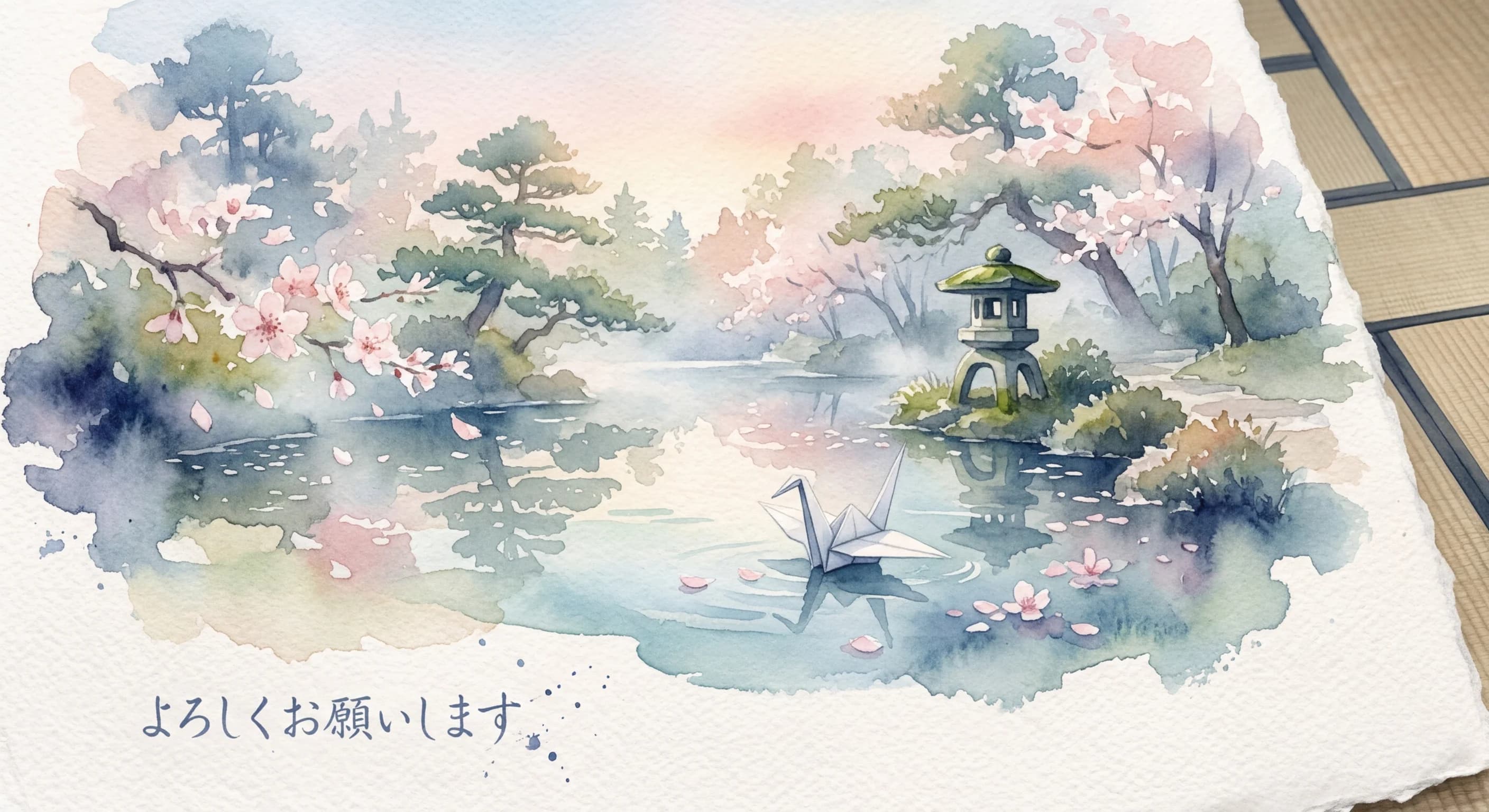
    Artistic representation of Yoroshiku onegaishimasu
    Japanese•
    🇯🇵Japan

    Yoroshiku onegaishimasu

    /yo-RO-shee-koo oh-neh-GAI-shee-mah-soo/

    Meaning

    This ubiquitous Japanese phrase encapsulates a profound anticipation of a positive and harmonious future interaction, imbued with humility and a subtle request for goodwill. It functions as a versatile social lubricant, expressing a sincere desire for the recipient to extend kindness, cooperation, or favorable consideration towards the speaker or an upcoming endeavor. It carries an implicit understanding of mutual reliance and respect, acknowledging the other person's agency and the speaker's hopeful dependence on their benevolent actions.

    Literal Translation

    Please treat me well / Please do well

    The Story Behind the Word

    The existence and pervasive use of "Yoroshiku onegaishimasu" are deeply rooted in Japan's hierarchical social structures, emphasis on group harmony (wa), and the concept of omotenashi (wholehearted hospitality). It reflects a society that values indirect communication, politeness, and the careful navigation of social relationships. Historically, in a community-oriented society, relying on others and fostering good relations was paramount for survival and prosperity. The phrase embodies a proactive effort to smooth interactions, preempt potential friction, and establish a foundation of mutual understanding and respect, even before a specific request is made or an interaction fully unfolds. It reveals a worldview where individual actions are always seen in relation to the collective, and maintaining harmony is a continuous, conscious effort.

    Experience It

    First Day at Work

    A new employee, Tanaka-san, bows slightly to his team leader and colleagues. 'Kyou kara yoroshiku onegaishimasu,' he says, signaling his intent to work hard and his hope for their guidance and support in his new role.

    Entrusting a Project

    A manager hands over a crucial report to a junior staff member. 'Kore, yoroshiku onegaishimasu,' she states, implicitly trusting the staff member to handle the task diligently and responsibly, while also offering her unspoken support.

    The Deeper Meaning

    The phrase embodies a core Japanese philosophical tenet: the proactive cultivation of harmonious interpersonal relationships. It suggests that positive outcomes are not merely achieved through individual effort but are also contingent upon the goodwill and cooperation extended by others. This reflects a worldview where interdependence, rather than radical individualism, is the foundation for societal and personal flourishing.

    Did You Know?

    There's no direct, single English equivalent because it encompasses a range of sentiments from 'nice to meet you' to 'please take care of it,' making it one of the most challenging Japanese phrases to master for learners.

    How It's Used

    Used in a wide variety of social and professional contexts, from introductions and requests to the end of business emails. It's said when meeting someone for the first time, asking for a favor, starting a new task, or entrusting something to someone.

    Emotions
    belonging,gratitude,hope,warmth
    Contexts
    daily life,farewell,greeting,work
    🇯🇵Japan

    by Dr. Kenji Tanaka·Written Mar 10, 2026·Updated Apr 3, 2026

    Related Words

    Explore more
    GezelligDutch

    Gezellig encapsulates a profound sense of warmth, belonging, and convivial comfort, extending beyond mere coziness to embrace the social and emotional atmosphere. It's the feeling of being truly at ease, surrounded by good company, laughter, and a shared sense of contentment. This untranslatable term describes not just a physical space, but a holistic experience where time seems to slow down, fostering genuine connection and a deep sense of well-being.

    SobremesaSpanish

    Sobremesa is the cherished, often extended period immediately following a meal, particularly lunch or dinner, where diners remain seated at the table to enjoy conversation, coffee, and digest not just the food, but the company itself. It’s a dedicated time for unhurried social bonding, storytelling, and shared laughter, transforming a simple meal into a profound communal experience. Far from just clearing the dishes, sobremesa is an integral part of Spanish social life, often lasting for hours.

    Wabi-sabiJapanese

    Wabi-sabi is the profound appreciation for the ephemeral, the imperfect, and the incomplete aspects of existence. It is about discovering beauty in the subtle textures of age, the unique character of flaws, and the gentle decay that marks the passage of time. This philosophy encourages a quiet acceptance of impermanence and a mindful connection to the natural world, finding elegance in simplicity and authenticity.

    IkigaiJapanese

    Ikigai is more than just a reason to get out of bed; it's a deeply personal and evolving sense of purpose that brings genuine fulfillment and joy to one's life. It represents the sweet spot where your passions, talents, needs of the world, and what you can be paid for beautifully converge. Discovering your ikigai often leads to a life lived with intentionality, resilience, and a profound connection to one's contributions. It's the intrinsic motivation that fuels a meaningful existence, regardless of external circumstances.