U.
HomeRegionsLanguagesEmotionsCollections
Find Your Word

“The limits of my language mean the limits of my world.”

— Ludwig Wittgenstein, Philosopher

Untranslatable

A curated collection of the world's most beautiful expressions—words that remind us language is humanity's greatest invention.

  • Home
  • Collections
  • Regions
  • Countries
  • Emotions
  • Tags
  • Contexts
  • Finder
  • Europe
  • Asia
  • Americas
  • Africa
  • Middle East
  • About
  • Contact
  • Privacy Policy
  • Terms of Service

2026 © Untranslatable. All rights reserved.

    /
    /
    1. Home
    2. /
    3. Asia
    4. /
    5. Honne
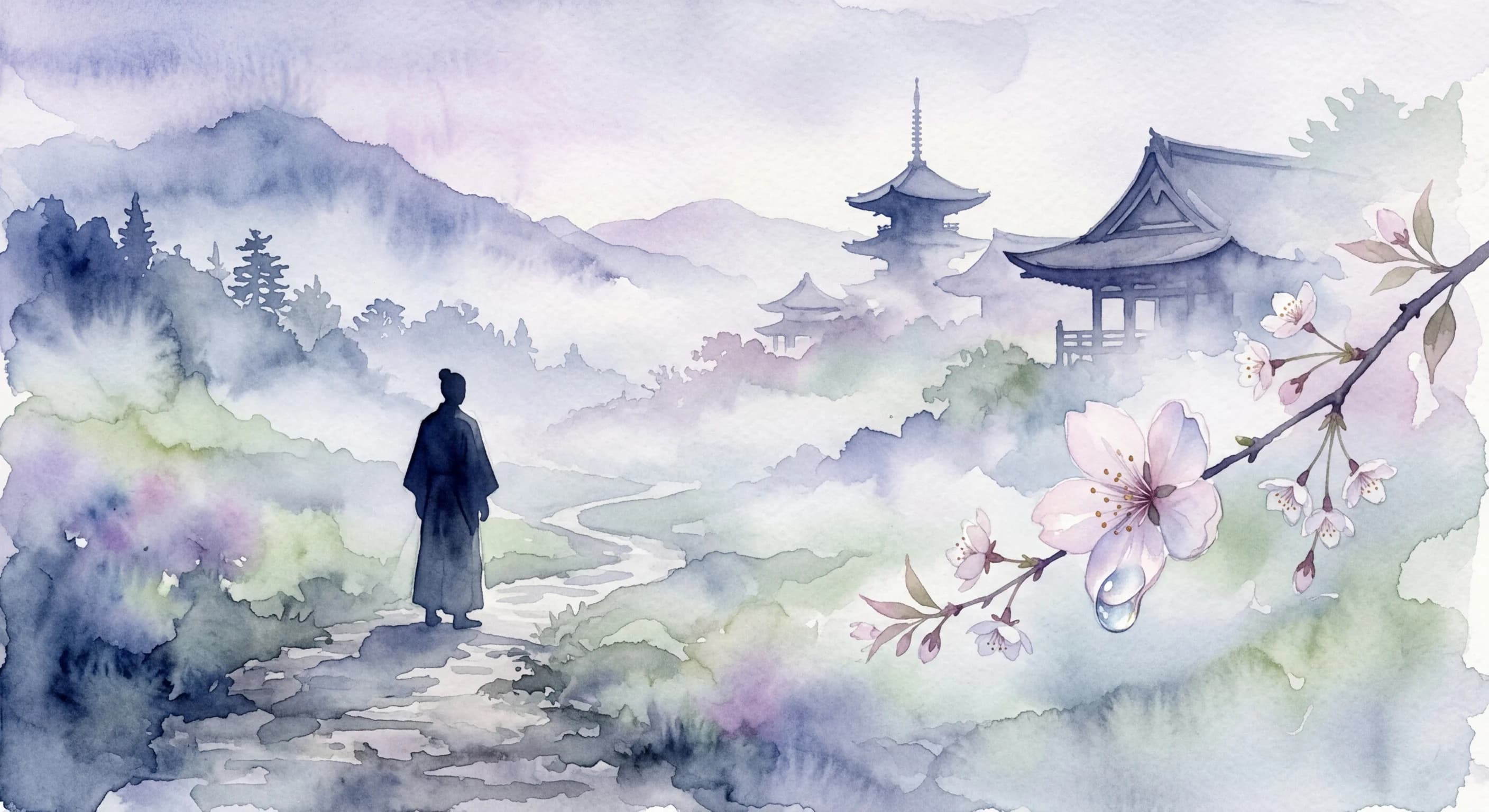
    Artistic representation of Honne
    Japanese•
    🇯🇵Japan

    Honne

    /HON-nay/

    Meaning

    Honne represents the authentic, unvarnished self—the true feelings, desires, and opinions that reside deep within an individual's heart. It is the private sanctuary of thoughts and emotions, typically revealed only to the most trusted confidantes or in moments of profound intimacy. This 'true sound' stands in stark contrast to 'tatemae,' the public facade carefully constructed to maintain social harmony and avoid conflict, making the recognition of honne a subtle art of reading between the lines and understanding unspoken cues.

    Literal Translation

    true sound/voice

    The Story Behind the Word

    The concept of Honne is deeply rooted in Japanese collectivist culture, which historically prioritizes group harmony (wa) over individual expression. During the Edo period, strict social hierarchies and the emphasis on maintaining one's 'face' (kao) solidified the need for a distinct public persona. Revealing one's raw Honne indiscriminately could disrupt social equilibrium, lead to conflict, or cause embarrassment for oneself and others. Thus, Honne became a protected inner world, a space for genuine thought and feeling that is carefully guarded. Its existence reveals a society that values deep interpersonal understanding, where true connection is forged not through overt declarations, but through a nuanced appreciation of unspoken truths and shared vulnerabilities, often conveyed indirectly.

    Experience It

    After-work Confession

    After a long day of meetings where he agreed with every proposal, Kenji is out for drinks with his closest colleague. Lowering his voice, he sighs, 'Honestly, I think that new project is a disaster waiting to happen.' This unfiltered opinion, his true feeling, is his honne emerging.

    Family Dinner Revelation

    During a polite family dinner, young Akari maintains a cheerful demeanor despite her grandmother's incessant questioning about her future. Later, alone with her mother, she bursts into tears, confessing her deep anxiety about her career path—a moment where her honne is finally expressed.

    The Deeper Meaning

    Honne reveals a profound understanding of human nature as inherently complex and multi-layered, acknowledging that individuals present different facets of themselves depending on social context. It underscores the philosophical idea that authenticity isn't always performative but often resides in a carefully guarded inner realm, accessible only through trust and deep connection, thereby emphasizing the value of discernment and empathy in human relationships.

    Did You Know?

    The 'ne' in Honne literally means 'sound' or 'voice,' highlighting that even unspoken true feelings are a form of communication, a 'true voice' of the heart.

    How It's Used

    Used to describe the private, authentic self that is distinct from the public persona.

    Emotion
    fear
    Contexts
    daily life,social interaction,work
    🇯🇵Japan

    by Dr. Kenji Tanaka·Written Mar 10, 2026·Updated Apr 3, 2026

    Related Words

    Explore more
    Wabi-sabiJapanese

    Wabi-sabi is the profound appreciation for the ephemeral, the imperfect, and the incomplete aspects of existence. It is about discovering beauty in the subtle textures of age, the unique character of flaws, and the gentle decay that marks the passage of time. This philosophy encourages a quiet acceptance of impermanence and a mindful connection to the natural world, finding elegance in simplicity and authenticity.

    IkigaiJapanese

    Ikigai is more than just a reason to get out of bed; it's a deeply personal and evolving sense of purpose that brings genuine fulfillment and joy to one's life. It represents the sweet spot where your passions, talents, needs of the world, and what you can be paid for beautifully converge. Discovering your ikigai often leads to a life lived with intentionality, resilience, and a profound connection to one's contributions. It's the intrinsic motivation that fuels a meaningful existence, regardless of external circumstances.

    NunchiKorean

    Nunchi is the sophisticated, almost telepathic, ability to instantly grasp the unspoken dynamics of any social situation, anticipating others' thoughts and feelings, and then responding with impeccable grace and timing. It's an acute form of social intuition, allowing one to navigate complex interpersonal landscapes by reading subtle cues like body language, tone, and context. Possessing good nunchi means effortlessly understanding the underlying emotional currents and adjusting one's behavior to maintain harmony and effectiveness, often without a single word exchanged.

    JugaadHindi

    Jugaad is more than just a quick fix; it embodies the spirit of resourceful, ingenious improvisation in the face of scarcity or systemic challenges. It's the art of bending rules, repurposing materials, and thinking outside the box to achieve a desired outcome, often with limited financial or technological resources. This approach celebrates clever workarounds and innovative adaptations, turning constraints into catalysts for creative problem-solving. It's about making do and making something work, brilliantly.