Nageyari
/NAH-geh-yah-ree/
Meaning
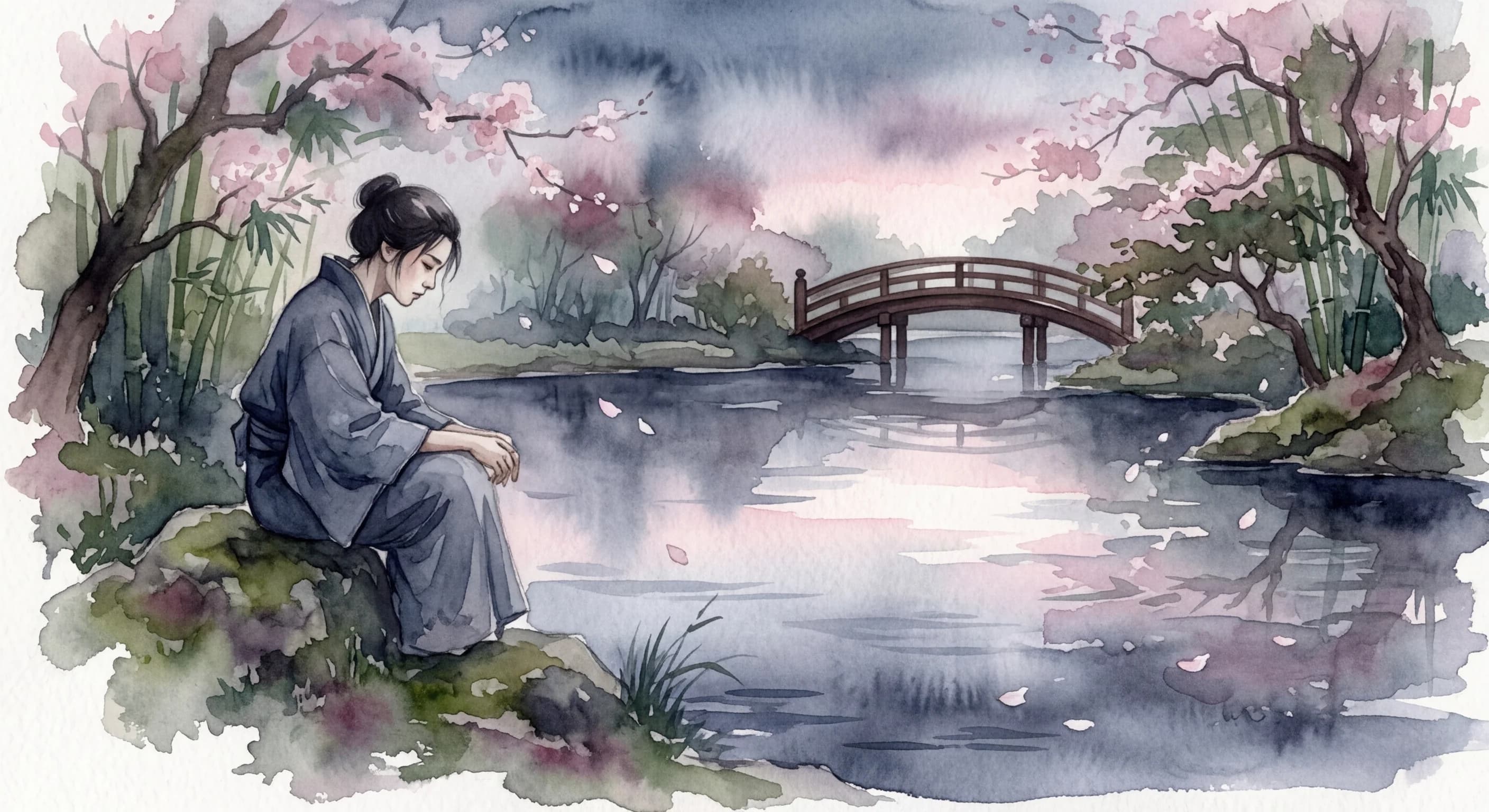
Nageyari describes a profound state of weary resignation where an individual surrenders effort not from defeat, but from a deep-seated conviction that striving is pointless. It's the attitude of 'what's the use?' or 'it doesn't matter anyway,' born from emotional exhaustion and a perceived lack of future prospects. This concept encapsulates a specific kind of spiritual capitulation, leading to a detached, careless, or even recklessly indifferent demeanor as one abandons all pretense of trying.
Literal Translation
throwing away
The Story Behind the Word
The existence of 'nageyari' in Japanese culture reflects a society that historically values perseverance, effort, and group harmony, yet also acknowledges the intense pressures and potential for burnout. In a culture where 'ganbaru' (doing one's best, enduring with patience) is a core value, 'nageyari' stands as its antithesis, representing a breaking point where the spirit of 'ganbaru' can no longer be sustained. It hints at the societal expectation to always maintain composure and effort, making the public display or internal experience of 'nageyari' a significant emotional release or a quiet, internal rebellion against relentless demands. It reveals a cultural understanding that even the most dedicated can reach a state of futility, often in the face of insurmountable obstacles or systemic issues, leading to a quiet, almost dignified surrender of hope.
Experience It
The Disillusioned Employee
After years of working overtime with no recognition or promotion, Kenji stopped caring about his project deadlines. He'd submit work barely meeting the minimum requirements, skipping proofreading and attending meetings with a blank stare. His colleagues noticed his nageyari attitude, a stark contrast to his once-eager demeanor.
Student's Final Exam
Despite studying for weeks, the exam questions were completely unexpected. Halfway through, Akari put down her pen, sighed, and simply started drawing doodles on her paper, a clear nageyari response to the perceived futility of continuing to try and salvage her grade.
The Deeper Meaning
Nageyari offers a window into the Japanese understanding of human resilience and its limits. It acknowledges that the human spirit, even when deeply committed to 'ganbaru,' can reach a breaking point where the perceived meaninglessness of effort outweighs the will to continue. It touches upon existential themes of futility and resignation, suggesting that even in a culture prizing diligence, there's an acceptance of the moment when one simply 'throws away' their will to strive, finding a strange peace in that surrender.
Did You Know?
While 'nageyari' implies giving up, it doesn't necessarily mean laziness; it's often a coping mechanism for overwhelming emotional or mental fatigue, a quiet protest.
How It's Used
Used to describe a person's attitude or behavior when they have lost motivation and stopped trying due to a feeling of hopelessness or resignation.