U.
HomeRegionsLanguagesEmotionsCollections
Find Your Word

“The limits of my language mean the limits of my world.”

— Ludwig Wittgenstein, Philosopher

Untranslatable

A curated collection of the world's most beautiful expressions—words that remind us language is humanity's greatest invention.

  • Home
  • Collections
  • Regions
  • Countries
  • Emotions
  • Tags
  • Contexts
  • Finder
  • Europe
  • Asia
  • Americas
  • Africa
  • Middle East
  • About
  • Contact
  • Privacy Policy
  • Terms of Service

2026 © Untranslatable. All rights reserved.

    /
    /
    1. Home
    2. /
    3. Asia
    4. /
    5. Ukiyo
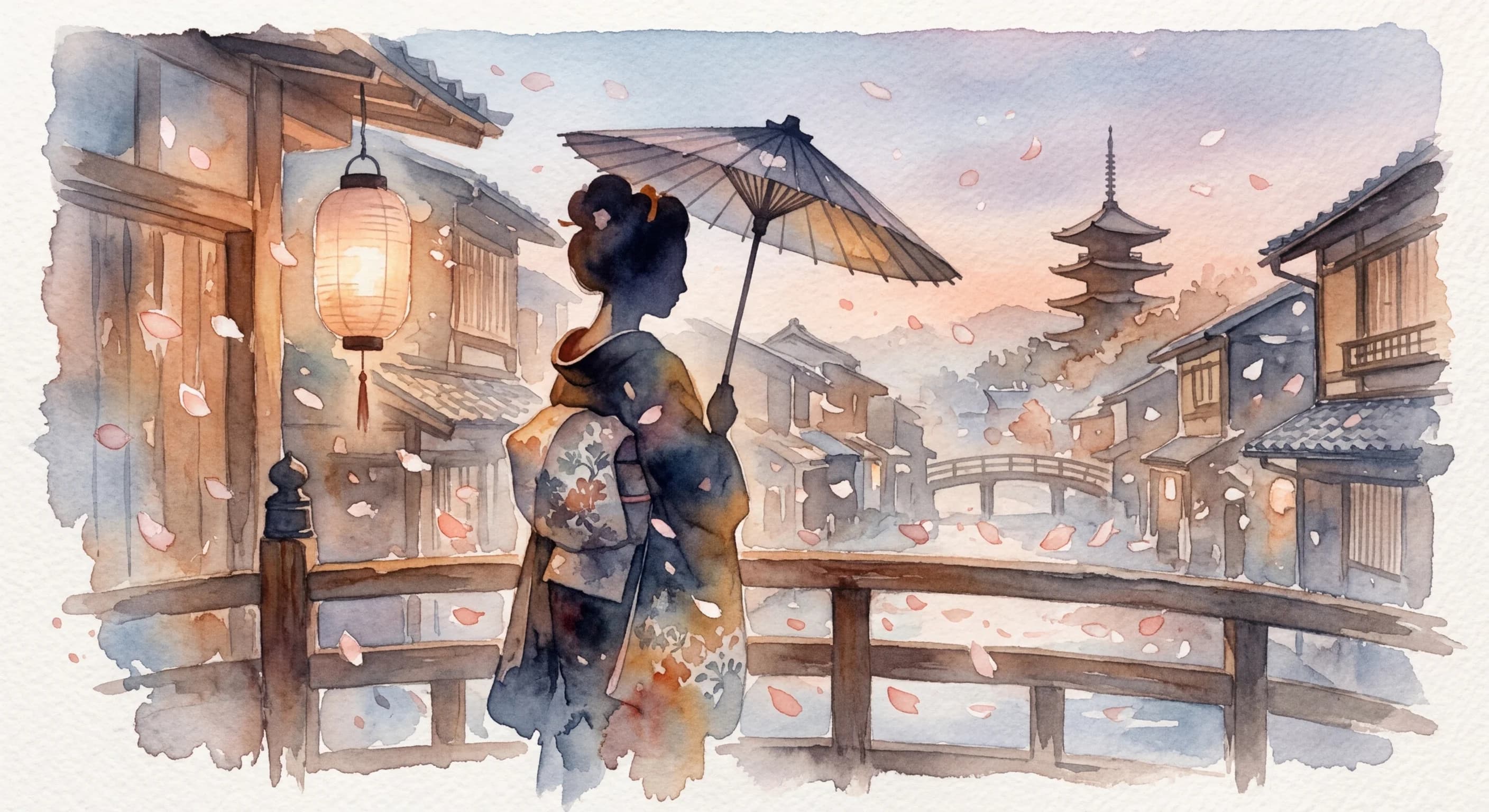
    Artistic representation of Ukiyo
    Japanese•
    🇯🇵Japan

    Ukiyo

    /OO-kee-yoh/

    Meaning

    Ukiyo, the "floating world," epitomizes a profound Japanese aesthetic and philosophical stance, particularly during the Edo period. It describes a transient, hedonistic, yet often melancholic existence, where urban dwellers sought solace and beauty in fleeting pleasures like theater, courtesans, and art. This concept embraces the impermanence of life, finding joy and meaning in the present moment, even while acknowledging its inevitable passing, a nuanced blend of appreciation and acceptance.

    Literal Translation

    Floating world

    The Story Behind the Word

    The concept of Ukiyo emerged during Japan's Edo period (1603-1868), a time of relative peace and prosperity under the Tokugawa shogunate. With the rise of a merchant class and strict social stratification, many sought refuge and expression in the licensed pleasure districts (yūkaku) and theaters. Ukiyo provided a space to escape the rigid social norms and the harsh realities of life, offering an idealized realm where beauty, art, and entertainment flourished. Its philosophical roots lie in Buddhist teachings on impermanence (mujō) and the suffering inherent in attachment, but Ukiyo reinterprets this by embracing the transient as beautiful, finding joy in the momentary rather than denying it. This word reveals a culture that, while deeply spiritual, also found profound meaning and artistic inspiration in the tangible, ephemeral world around them.

    Experience It

    Edo Pleasure District

    A merchant, weary from the day's negotiations, steps into the vibrant Yoshiwara district. He loses himself in the dazzling spectacle of kabuki, the delicate beauty of a courtesan's dance, and the camaraderie of fellow revelers, fully immersed in the fleeting joy of the Ukiyo.

    Artist's Inspiration

    An ukiyo-e artist gazes at a blossoming cherry tree, knowing its petals will soon fall. He quickly sketches its delicate form, capturing its ephemeral beauty, understanding that the very impermanence of the scene makes it all the more precious and worthy of immortalization through art.

    The Deeper Meaning

    Ukiyo embodies a distinct aesthetic philosophy that finds beauty and meaning in evanescence. It's not about denying reality or escaping it entirely, but rather about consciously engaging with the present moment, appreciating its inherent beauty and joy, precisely because it is fleeting. This perspective encourages a detached yet profound appreciation for life's transient experiences, transforming potential sorrow into a celebration of the now.

    Did You Know?

    The woodblock prints known as ukiyo-e (pictures of the floating world) were incredibly popular, depicting actors, courtesans, and landscapes, and later profoundly influenced Western artists like Van Gogh and Monet.

    How It's Used

    Used to describe the lifestyle and culture of the Edo period, particularly the entertainment districts and artistic expressions of that era. It can also refer more broadly to the transient nature of life and the acceptance of its impermanence.

    Emotions
    bittersweet,melancholy,serenity,wonder
    Contexts
    celebration,relaxation,seasons,solitude
    🇯🇵Japan

    by Annelise Dubois·Written Mar 10, 2026·Updated Apr 3, 2026

    Related Words

    Explore more
    SaudadePortuguese

    Saudade encapsulates a profound, melancholic longing for something or someone cherished that is absent, often with the bittersweet knowledge that it may never return. It's a deep emotional state tinged with nostalgia, evoking a sense of loss for past experiences, places, or people, yet also holding a tender appreciation for the beauty of what once was. This yearning is not merely sadness, but a complex tapestry of desire, memory, and a poignant acceptance of absence, holding the beloved in a warm, persistent embrace within the heart.

    Wabi-sabiJapanese

    Wabi-sabi is the profound appreciation for the ephemeral, the imperfect, and the incomplete aspects of existence. It is about discovering beauty in the subtle textures of age, the unique character of flaws, and the gentle decay that marks the passage of time. This philosophy encourages a quiet acceptance of impermanence and a mindful connection to the natural world, finding elegance in simplicity and authenticity.

    IkigaiJapanese

    Ikigai is more than just a reason to get out of bed; it's a deeply personal and evolving sense of purpose that brings genuine fulfillment and joy to one's life. It represents the sweet spot where your passions, talents, needs of the world, and what you can be paid for beautifully converge. Discovering your ikigai often leads to a life lived with intentionality, resilience, and a profound connection to one's contributions. It's the intrinsic motivation that fuels a meaningful existence, regardless of external circumstances.

    NunchiKorean

    Nunchi is the sophisticated, almost telepathic, ability to instantly grasp the unspoken dynamics of any social situation, anticipating others' thoughts and feelings, and then responding with impeccable grace and timing. It's an acute form of social intuition, allowing one to navigate complex interpersonal landscapes by reading subtle cues like body language, tone, and context. Possessing good nunchi means effortlessly understanding the underlying emotional currents and adjusting one's behavior to maintain harmony and effectiveness, often without a single word exchanged.