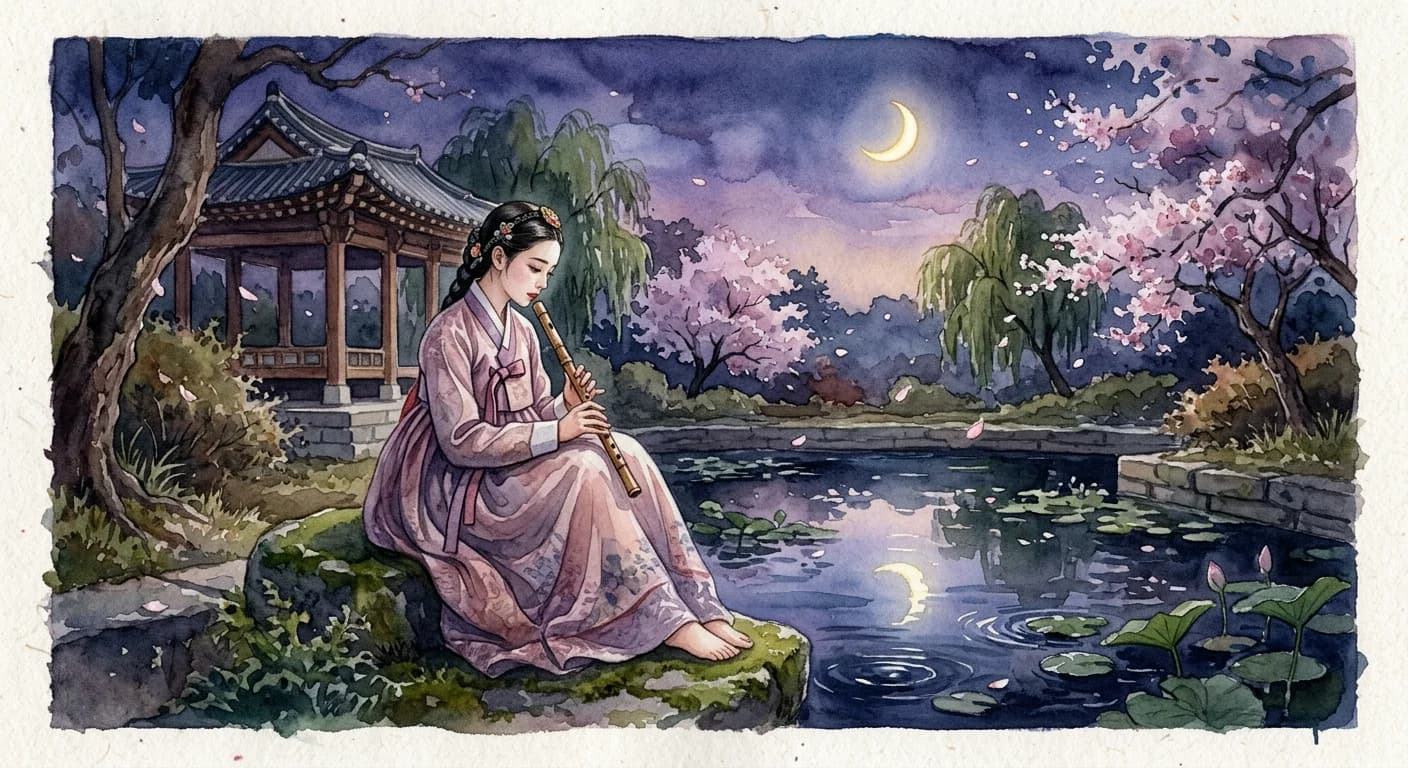
Gisaeng
/Ghee-saeng/
Meaning
Gisaeng refers to the highly cultivated female artists and companions of Korea's Joseon Dynasty, far exceeding the simplistic definition of a courtesan. These women were rigorously trained from a young age in a dazzling array of accomplishments, including classical music, intricate dance, calligraphy, painting, and the art of eloquent conversation and poetry. They served as muses, entertainers, and intellectual companions for the literati and royalty, embodying a complex social role that blended artistic mastery with a unique, often poignant, position within the rigid class structure of the era.
Literal Translation
Literally translates to 'entertaining woman' or 'artistic woman'.
The Story Behind the Word
The existence of gisaeng reveals a fascinating tension within Joseon society, which was deeply Confucian and patriarchal, yet highly valued artistic expression and intellectual discourse. Gisaeng were often from lower social classes, yet their training provided them with an education and cultural capital far exceeding most women of their time. They served as vital cultural conduits, preserving and developing traditional arts, and providing a space for refined social interaction that transcended strict class boundaries for male elites. Their role highlights a societal need for sophisticated companionship and artistic patronage, even as their social standing remained ambiguous, often admired for their talents but marginalized due to their profession.
Experience It
A Scholar's Retreat
Amidst the tranquil mountains, a weary scholar sought solace. A gisaeng, renowned for her elegant geomungo playing and poignant poetry, joined him. Her artistry not only entertained but also inspired his next philosophical treatise, her insights adding a unique feminine perspective to his work.
Royal Banquet Entertainment
At a lavish royal banquet, the gisaeng troupe captivated the court. Their synchronized fan dances, melodious pansori singing, and witty repartee transformed a formal event into a vibrant cultural spectacle, showcasing the pinnacle of Joseon performing arts and diplomacy.
The Deeper Meaning
The gisaeng embodies a fascinating paradox: individuals from the lowest social strata who, through their artistic and intellectual prowess, ascended to positions of significant cultural influence. Their existence illuminates the Joseon understanding of beauty, art, and intellectual companionship as essential components of a refined life, even if those who provided it were socially marginalized. It reflects a societal recognition of the power of art to transcend rigid social boundaries, at least within specific contexts.
Did You Know?
Many gisaeng were not only skilled artists but also formidable intellectuals, with some achieving renown as poets, writers, and even political advisors, demonstrating their profound impact beyond mere entertainment.
How It's Used
Used to refer to the historical female entertainers and artists of Korea, particularly during the Joseon Dynasty.