U.
HomeRegionsLanguagesEmotionsCollections
Find Your Word

“The limits of my language mean the limits of my world.”

— Ludwig Wittgenstein, Philosopher

Untranslatable

A curated collection of the world's most beautiful expressions—words that remind us language is humanity's greatest invention.

  • Home
  • Collections
  • Regions
  • Countries
  • Emotions
  • Tags
  • Contexts
  • Finder
  • Europe
  • Asia
  • Americas
  • Africa
  • Middle East
  • About
  • Contact
  • Privacy Policy
  • Terms of Service

2026 © Untranslatable. All rights reserved.

    /
    /
    1. Home
    2. /
    3. Europe
    4. /
    5. Romjul
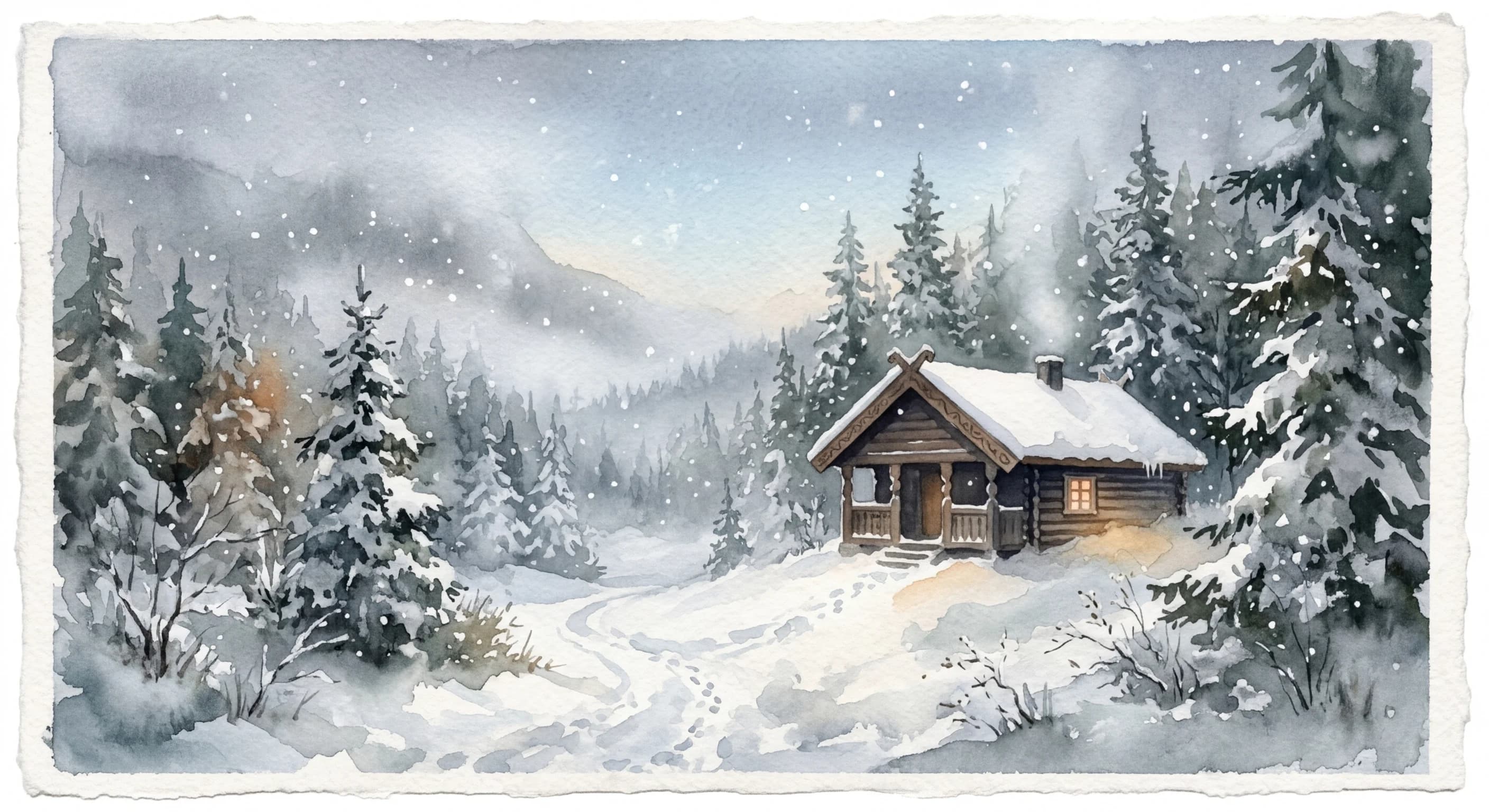
    Artistic representation of Romjul
    Norwegian•
    🇳🇴Norway

    Romjul

    /ROM-yool/

    Meaning

    Romjul encapsulates the serene interlude between Christmas Day and New Year's Day, a cherished period in Norway for decompression and gentle transition. It's a time when the festive fervor subsides, replaced by a profound sense of quiet reflection and mindful enjoyment of simple pleasures. This unique interval is dedicated to personal rejuvenation, often spent in the cozy embrace of close family and friends, allowing for a relaxed, unhurried easing back into the rhythms of daily life while still savoring the lingering magic of the holidays.

    Literal Translation

    Christmas-month (composite of 'Jul' meaning Christmas/Yule and 'Rom' meaning quiet/peaceful or space/room)

    The Story Behind the Word

    The existence of "Romjul" is deeply rooted in Norway's historical and cultural understanding of time, particularly the sacred and secular intertwining of the mid-winter period. Historically, the "Jul" (Yule) period was a major pagan festival marking the winter solstice, a time of introspection and hearth-gathering during the darkest days. With the advent of Christianity, these traditions blended, making the days after Christmas distinct. Romjul reflects a societal value placed on unwinding and mental space, a deliberate pause after intense preparations and celebrations. It reveals a cultural appreciation for quiet contemplation and the importance of allowing time for emotional and physical recovery, rather than immediately rushing into new year's resolutions. It's a testament to the Norwegian emphasis on 'kos' (coziness) and finding contentment in the present moment.

    Experience It

    Quiet Cabin Romjul

    The family gathered at their hytte (cabin) for Romjul. Instead of bustling activities, they spent their days reading by the fireplace, taking short, crisp walks in the snowy landscape, and playing board games, savoring the unhurried pace and each other's company.

    Urban Romjul Retreat

    After a busy Christmas, Ingrid cherished her Romjul in the city. She visited a quiet museum, enjoyed long coffees with friends, and spent an afternoon simply staring out her window, feeling the calm seep in before the demands of the new year began.

    The Deeper Meaning

    Romjul embodies a philosophy of purposeful deceleration. It highlights the deeply ingrained Norwegian value of creating designated periods for mental and emotional respite, acknowledging that true well-being requires a balance between intense activity and restorative quietude. It's a cultural affirmation that the space between significant events is just as important as the events themselves, allowing for integration and renewal.

    Did You Know?

    Did you know that many Norwegians traditionally use Romjul to finish up Christmas candy and leftovers, ensuring no festive treat goes to waste while extending the holiday cheer?

    How It's Used

    Used to describe the days between Christmas and New Year.

    Emotions
    belonging,comfort,peace,serenity
    Contexts
    celebration,family,relaxation,seasons
    🇳🇴Norway

    by Annelise Dubois·Written Mar 10, 2026·Updated Apr 3, 2026

    Related Words

    Explore more
    HyggeDanish

    Hygge is more than mere coziness; it's a holistic embrace of comfort, warmth, and belonging that nourishes the soul. It describes the intentional creation of an intimate atmosphere where simple pleasures, genuine connection, and mindful presence converge, fostering a profound sense of contentment and well-being. It's about finding joy and peace in the small, everyday moments, often shared with loved ones.

    SaudadePortuguese

    Saudade encapsulates a profound, melancholic longing for something or someone cherished that is absent, often with the bittersweet knowledge that it may never return. It's a deep emotional state tinged with nostalgia, evoking a sense of loss for past experiences, places, or people, yet also holding a tender appreciation for the beauty of what once was. This yearning is not merely sadness, but a complex tapestry of desire, memory, and a poignant acceptance of absence, holding the beloved in a warm, persistent embrace within the heart.

    GezelligDutch

    Gezellig encapsulates a profound sense of warmth, belonging, and convivial comfort, extending beyond mere coziness to embrace the social and emotional atmosphere. It's the feeling of being truly at ease, surrounded by good company, laughter, and a shared sense of contentment. This untranslatable term describes not just a physical space, but a holistic experience where time seems to slow down, fostering genuine connection and a deep sense of well-being.

    Dolce far nienteItalian

    Dolce far niente captures the profound joy and effortless pleasure derived from simply existing without obligation or purpose. It's the art of savoring moments of pure, unadulterated idleness – lying in the sun, watching the clouds drift, or enjoying a leisurely coffee – not as a break from work, but as a valuable state in itself. This 'sweetness of doing nothing' is a conscious embrace of stillness and contentment, allowing the soul to breathe and the senses to fully engage with the present.