U.
HomeRegionsLanguagesEmotionsCollections
Find Your Word

“The limits of my language mean the limits of my world.”

— Ludwig Wittgenstein, Philosopher

Untranslatable

A curated collection of the world's most beautiful expressions—words that remind us language is humanity's greatest invention.

  • Home
  • Collections
  • Regions
  • Countries
  • Emotions
  • Tags
  • Contexts
  • Finder
  • Europe
  • Asia
  • Americas
  • Africa
  • Middle East
  • About
  • Contact
  • Privacy Policy
  • Terms of Service

2026 © Untranslatable. All rights reserved.

    /
    /
    1. Home
    2. /
    3. Asia
    4. /
    5. 下饭 (xiàfàn)
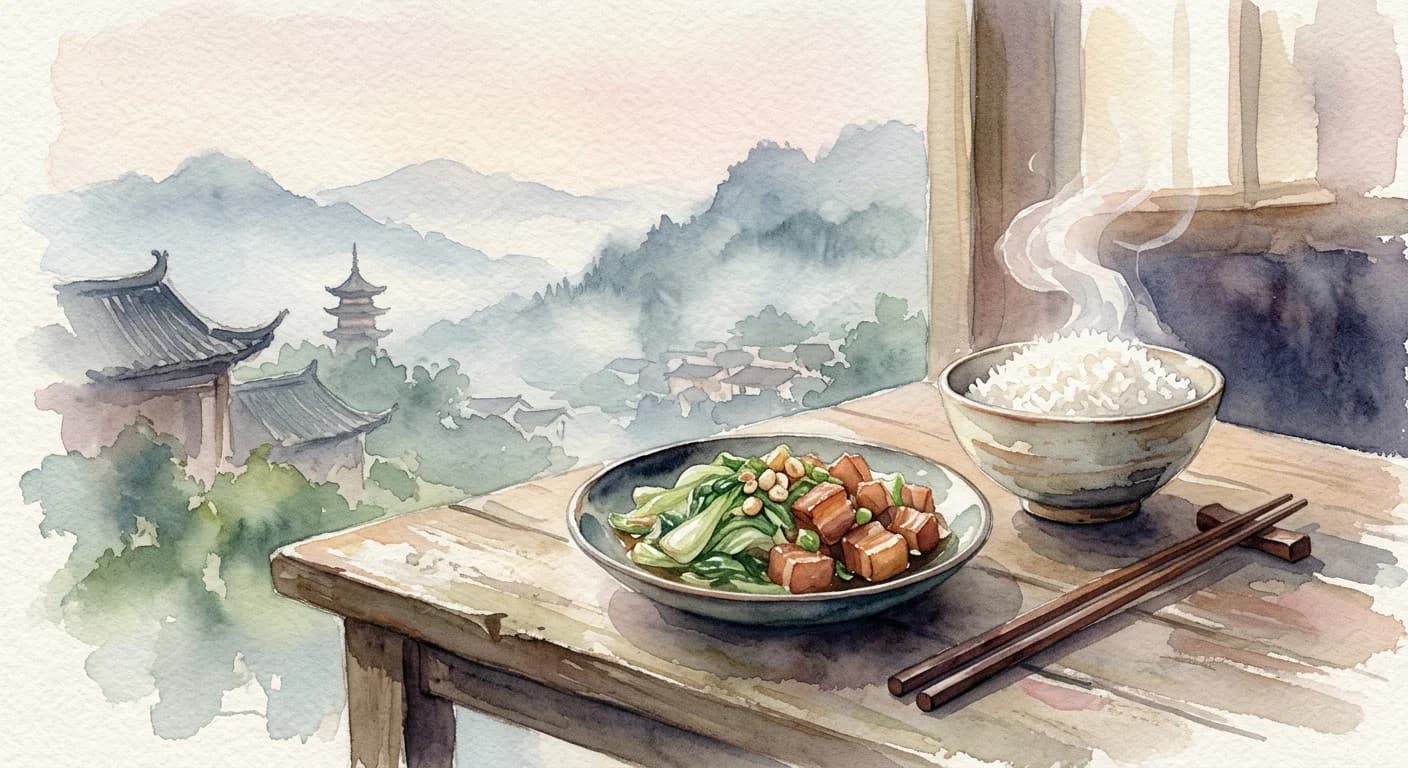
    Artistic representation of 下饭 (xiàfàn)
    Mandarin Chinese•
    🇨🇳China

    下饭 (xiàfàn)

    /shyah-fan/

    Meaning

    Xiàfàn describes the ultimate culinary synergy, where a dish is so exquisitely flavorful and perfectly balanced that it compels you to consume more of your staple carbohydrate, typically rice. It's not merely about deliciousness; it's the magical alchemy that transforms a simple bowl of rice into an irresistible vehicle for robust flavors, making each mouthful a profound pleasure. This term encapsulates the deep satisfaction of a meal where the main course doesn't just accompany but actively enhances and elevates the humble staple, making you eagerly reach for another helping, savoring every delightful bite.

    Literal Translation

    down rice

    The Story Behind the Word

    The concept of xiàfàn is deeply rooted in China's long history of rice cultivation and its central role as the staple food for a significant portion of the population. For millennia, rice has been more than just sustenance; it represents abundance, prosperity, and the foundation of a meal. Therefore, a dish's ability to make one eat more rice speaks to its fundamental success in providing both flavor and satiety. This word reflects a pragmatic yet poetic appreciation for food, where the main dish isn't judged in isolation but by its harmonious relationship with the most basic element of the meal. It highlights a cultural value placed on balance, resourcefulness, and the profound satisfaction derived from a well-prepared, comforting repast, often signifying the chef's skill and generosity.

    Experience It

    Grandma's Braised Pork

    After a long day, the family gathers for dinner. Grandma's hongshao rou (braised pork belly) is on the table. "Wow, this is so xiàfàn!" exclaims a nephew, already on his second bowl of rice, the rich, savory sauce clinging perfectly to each grain.

    Spicy Sichuan Delight

    At a bustling Sichuan restaurant, a group of friends digs into a mapo tofu. "Be careful, it's spicy!" warns one, but another quickly replies, "It's so xiàfàn though, I can't stop eating rice!" as beads of sweat form on their forehead, unable to resist the numbing, spicy goodness.

    The Deeper Meaning

    Xiàfàn embodies a philosophy of culinary interdependence and balance, where no single element of a meal stands alone. It speaks to a worldview that values the synergy between components, recognizing that the true joy of eating often lies in the harmonious interaction of flavors and textures, with the staple grain serving as the essential canvas for this culinary art.

    Did You Know?

    While often associated with savory, rich dishes, some surprisingly simple preparations, like perfectly salted fermented tofu (furu), are considered intensely xiàfàn due to their potent flavor concentration.

    How It's Used

    Used informally when describing a particularly delicious dish that pairs exceptionally well with rice, often in the context of home-cooked meals or restaurant dishes.

    Emotions
    comfort,gratitude,joy
    Contexts
    dining,family,relaxation
    🇨🇳China

    by Kwame Nkrumah·Written Mar 10, 2026·Updated Apr 3, 2026

    Related Words

    Explore more
    Wabi-sabiJapanese

    Wabi-sabi is the profound appreciation for the ephemeral, the imperfect, and the incomplete aspects of existence. It is about discovering beauty in the subtle textures of age, the unique character of flaws, and the gentle decay that marks the passage of time. This philosophy encourages a quiet acceptance of impermanence and a mindful connection to the natural world, finding elegance in simplicity and authenticity.

    IkigaiJapanese

    Ikigai is more than just a reason to get out of bed; it's a deeply personal and evolving sense of purpose that brings genuine fulfillment and joy to one's life. It represents the sweet spot where your passions, talents, needs of the world, and what you can be paid for beautifully converge. Discovering your ikigai often leads to a life lived with intentionality, resilience, and a profound connection to one's contributions. It's the intrinsic motivation that fuels a meaningful existence, regardless of external circumstances.

    NunchiKorean

    Nunchi is the sophisticated, almost telepathic, ability to instantly grasp the unspoken dynamics of any social situation, anticipating others' thoughts and feelings, and then responding with impeccable grace and timing. It's an acute form of social intuition, allowing one to navigate complex interpersonal landscapes by reading subtle cues like body language, tone, and context. Possessing good nunchi means effortlessly understanding the underlying emotional currents and adjusting one's behavior to maintain harmony and effectiveness, often without a single word exchanged.

    JugaadHindi

    Jugaad is more than just a quick fix; it embodies the spirit of resourceful, ingenious improvisation in the face of scarcity or systemic challenges. It's the art of bending rules, repurposing materials, and thinking outside the box to achieve a desired outcome, often with limited financial or technological resources. This approach celebrates clever workarounds and innovative adaptations, turning constraints into catalysts for creative problem-solving. It's about making do and making something work, brilliantly.