U.
HomeRegionsLanguagesEmotionsCollections
Find Your Word

“The limits of my language mean the limits of my world.”

— Ludwig Wittgenstein, Philosopher

Untranslatable

A curated collection of the world's most beautiful expressions—words that remind us language is humanity's greatest invention.

  • Home
  • Collections
  • Regions
  • Countries
  • Emotions
  • Tags
  • Contexts
  • Finder
  • Europe
  • Asia
  • Americas
  • Africa
  • Middle East
  • About
  • Contact
  • Privacy Policy
  • Terms of Service

2026 © Untranslatable. All rights reserved.

    /
    /
    1. Home
    2. /
    3. Asia
    4. /
    5. 锦鲤 (jǐnlǐ)
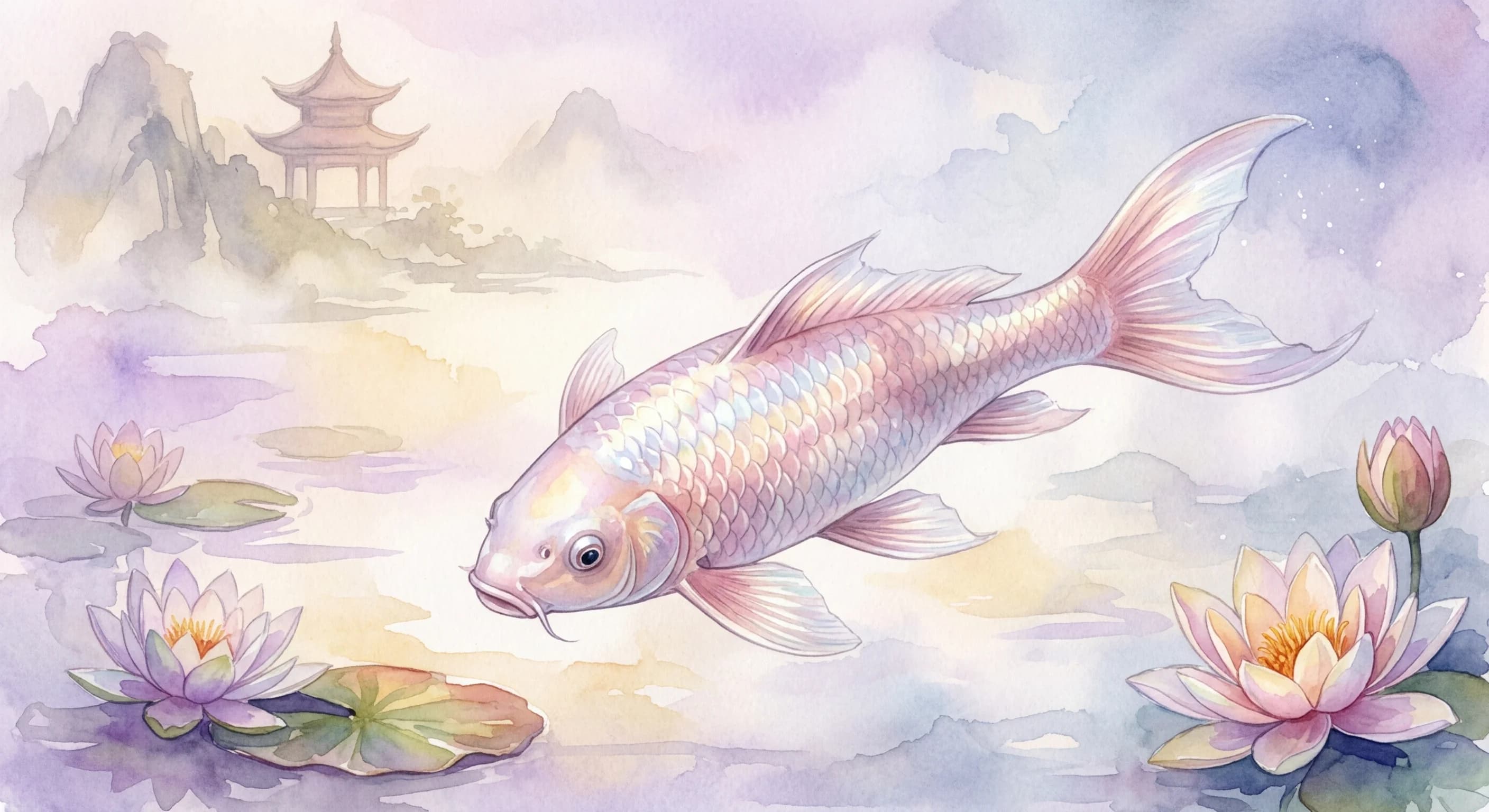
    Artistic representation of 锦鲤 (jǐnlǐ)
    Mandarin Chinese•
    🇨🇳China

    锦鲤 (jǐnlǐ)

    /jin-lee/

    Meaning

    Jǐnlǐ transcends the literal 'brocade carp' to embody a profound cultural symbol of extreme good fortune, serendipitous blessings, and divine favor. It signifies an unexpected deluge of luck, often associated with life-altering windfalls like lottery wins, career breakthroughs, or the arrival of exceptional prosperity. More than just a fish, jǐnlǐ represents a cosmic alignment of positive energy, becoming a potent emblem of hope and good vibes in contemporary Chinese society.

    Literal Translation

    brocade carp

    The Story Behind the Word

    The reverence for jǐnlǐ is deeply rooted in Chinese folklore and the ancient legend of the carp leaping over the Dragon Gate. This myth tells of carps transforming into powerful dragons after successfully navigating treacherous currents and making the monumental leap, symbolizing perseverance, ambition, and ultimate success. The 'jǐnlǐ' thus inherited this association with transformation and achieving the impossible. Its vibrant, 'brocade-like' colors further link it to wealth and auspiciousness, as bright, elaborate patterns have historically been associated with prosperity and high status. This cultural foundation reveals a worldview that values hard work and resilience (like the carp's journey) but also acknowledges the role of fate and serendipitous blessings in achieving ultimate success and fortune.

    Experience It

    Lottery Jǐnlǐ

    After years of playing, Li Wei finally won the national lottery's grand prize. His friends and family immediately started calling him 'the jǐnlǐ of our village,' celebrating his incredible, life-changing luck as if he had been divinely chosen for fortune.

    Career Breakthrough

    Sarah, a young entrepreneur, unexpectedly secured a massive investment deal after a chance encounter at a coffee shop. Her colleagues exclaimed, 'You're such a jǐnlǐ! This project was stuck for months, and now this incredible fortune just landed in your lap!'

    The Deeper Meaning

    The concept of jǐnlǐ reflects a blend of fatalism and optimism prevalent in Chinese culture. While emphasizing hard work and perseverance (like the carp's struggle upstream), it also acknowledges that ultimate success and significant fortune often require a stroke of divine luck or cosmic timing. It suggests that while one can strive, sometimes extraordinary blessings are a gift from the universe, bringing an element of hopeful anticipation and reliance on serendipity into daily life.

    Did You Know?

    On Chinese social media, people often 'tag' their friends as 'jǐnlǐ' or repost images of koi fish, hoping to 'transfer' or attract good luck for themselves and others, especially before exams or major events.

    How It's Used

    The term 'jǐnlǐ' is widely used in popular culture and social media in China, often in memes or as a hashtag to express a wish for good luck or to signify that one has received unexpected good fortune. It's also used to refer to the actual ornamental fish, which are highly prized.

    Emotions
    gratitude,hope,joy
    Contexts
    celebration,nature,work
    🇨🇳China

    by Dr. Kenji Tanaka·Written Mar 10, 2026·Updated Apr 3, 2026

    Related Words

    Explore more
    Wabi-sabiJapanese

    Wabi-sabi is the profound appreciation for the ephemeral, the imperfect, and the incomplete aspects of existence. It is about discovering beauty in the subtle textures of age, the unique character of flaws, and the gentle decay that marks the passage of time. This philosophy encourages a quiet acceptance of impermanence and a mindful connection to the natural world, finding elegance in simplicity and authenticity.

    IkigaiJapanese

    Ikigai is more than just a reason to get out of bed; it's a deeply personal and evolving sense of purpose that brings genuine fulfillment and joy to one's life. It represents the sweet spot where your passions, talents, needs of the world, and what you can be paid for beautifully converge. Discovering your ikigai often leads to a life lived with intentionality, resilience, and a profound connection to one's contributions. It's the intrinsic motivation that fuels a meaningful existence, regardless of external circumstances.

    NunchiKorean

    Nunchi is the sophisticated, almost telepathic, ability to instantly grasp the unspoken dynamics of any social situation, anticipating others' thoughts and feelings, and then responding with impeccable grace and timing. It's an acute form of social intuition, allowing one to navigate complex interpersonal landscapes by reading subtle cues like body language, tone, and context. Possessing good nunchi means effortlessly understanding the underlying emotional currents and adjusting one's behavior to maintain harmony and effectiveness, often without a single word exchanged.

    JugaadHindi

    Jugaad is more than just a quick fix; it embodies the spirit of resourceful, ingenious improvisation in the face of scarcity or systemic challenges. It's the art of bending rules, repurposing materials, and thinking outside the box to achieve a desired outcome, often with limited financial or technological resources. This approach celebrates clever workarounds and innovative adaptations, turning constraints into catalysts for creative problem-solving. It's about making do and making something work, brilliantly.