U.
HomeRegionsLanguagesEmotionsCollections
Find Your Word

“The limits of my language mean the limits of my world.”

— Ludwig Wittgenstein, Philosopher

Untranslatable

A curated collection of the world's most beautiful expressions—words that remind us language is humanity's greatest invention.

  • Home
  • Collections
  • Regions
  • Countries
  • Emotions
  • Tags
  • Contexts
  • Finder
  • Europe
  • Asia
  • Americas
  • Africa
  • Middle East
  • About
  • Contact
  • Privacy Policy
  • Terms of Service

2026 © Untranslatable. All rights reserved.

    /
    /
    1. Home
    2. /
    3. Asia
    4. /
    5. 塑料姐妹情
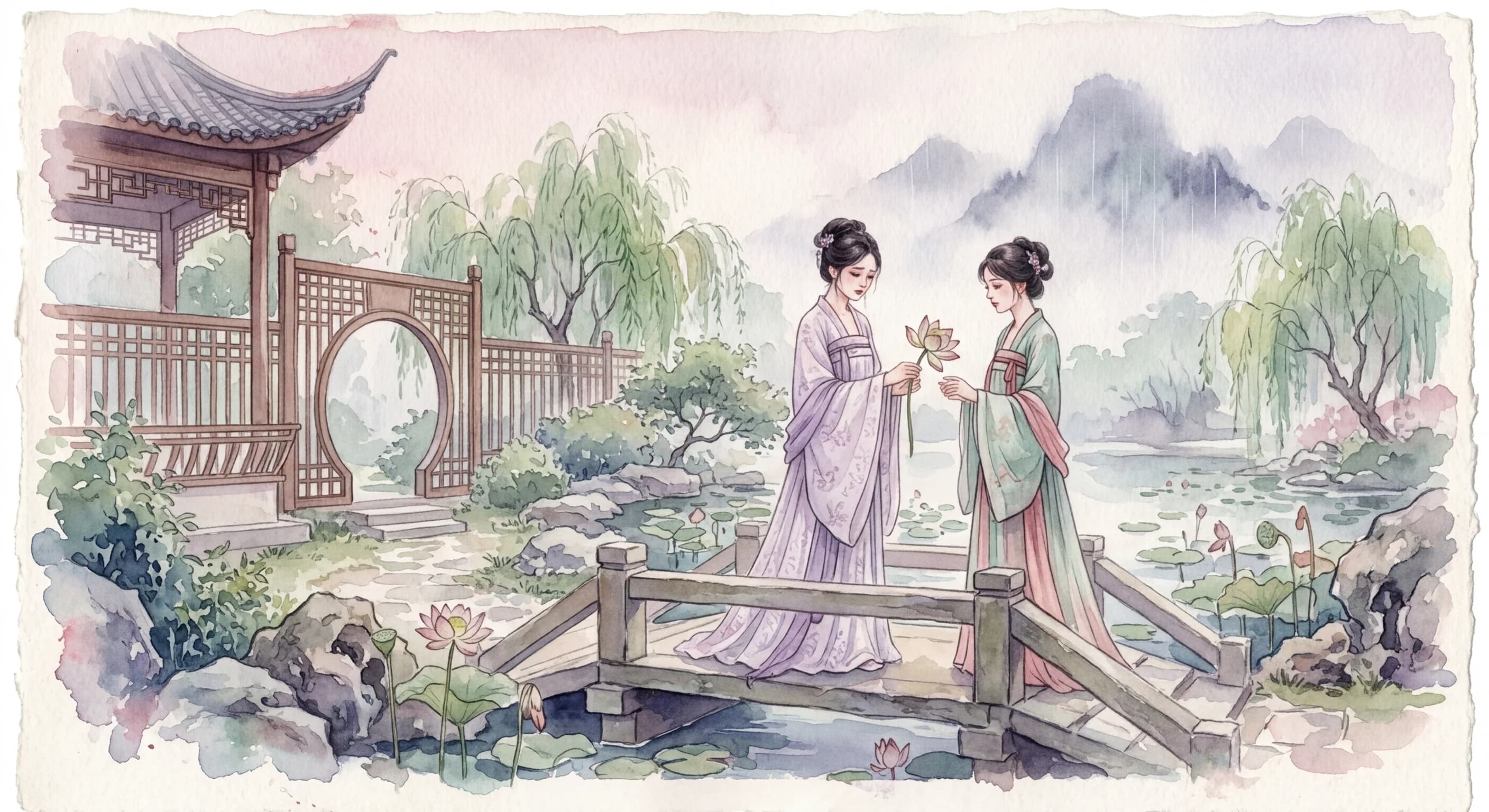
    Artistic representation of 塑料姐妹情
    Mandarin Chinese•
    🇨🇳China

    塑料姐妹情

    /soo-lee-ah jyeh-meh ching/

    Meaning

    This evocative phrase describes a female friendship that, while outwardly appearing close and intimate, lacks genuine emotional depth and is inherently fragile. It portrays a bond founded on superficial commonalities like shared social circles or material pursuits, rather than authentic understanding or mutual support. Like cheap plastic, this relationship is prone to quick deterioration, easily breaking under pressure and frequently dissolving into gossip, rivalry, or outright betrayal once the veneer of camaraderie cracks.

    Literal Translation

    plastic sisterhood feeling

    The Story Behind the Word

    The emergence of "塑料姐妹情" reflects a contemporary Chinese societal observation regarding the complexities of female relationships, particularly in an era of heightened social media presence and commercialized lifestyles. It speaks to a tension between traditional expectations of harmonious female bonds and the competitive realities of modern life, where appearances often supersede genuine connection. The word highlights a societal anxiety about authenticity and trust, suggesting that some friendships are performative, designed to maintain social standing or project a certain image rather than offering true emotional sanctuary. It subtly critiques the pressures on women to maintain a facade of perfect relationships, revealing a deeper skepticism about the sincerity of such bonds.

    Experience It

    The Designer Bag Debacle

    Li Wei and Chen Jie always posted glamorous photos together, flaunting their matching designer bags and luxury trips. But when Chen Jie got a promotion Li Wei coveted, suddenly Li Wei was seen subtly spreading rumors about Chen Jie's work ethic. Their '塑料姐妹情' shattered over a perceived rivalry.

    Birthday Party Snub

    Xiao Ming was devastated when her supposed best friend, Hua, organized a surprise birthday party for another mutual acquaintance, deliberately excluding Xiao Ming. Hua had always been effusive with compliments and promises of eternal friendship, but this blatant snub revealed the shallow nature of their '塑料姐妹情'.

    The Deeper Meaning

    This term subtly critiques the performative aspects of modern social interactions, particularly among women, where the pressure to maintain a certain image can overshadow genuine connection. It reveals a societal yearning for authenticity and trust in relationships, contrasting it with the ephemeral and easily broken bonds that prioritize superficiality over substance. It underscores a skepticism towards outward appearances and a recognition of the emotional costs of insincere friendships.

    Did You Know?

    The term gained immense popularity on Chinese social media, especially platforms like Weibo and Douyin, becoming a viral meme often accompanied by humorous or sarcastic videos depicting superficial interactions.

    How It's Used

    Typically used in informal contexts, often online or in casual conversation, to describe or comment on friendships between women that seem strong but lack genuine depth. It can be used humorously, cynically, or as a warning.

    Emotions
    bittersweet,melancholy,nostalgia
    Contexts
    friendship,social interaction
    🇨🇳China

    by Dr. Kenji Tanaka·Written Mar 10, 2026·Updated Apr 3, 2026

    Related Words

    Explore more
    SaudadePortuguese

    Saudade encapsulates a profound, melancholic longing for something or someone cherished that is absent, often with the bittersweet knowledge that it may never return. It's a deep emotional state tinged with nostalgia, evoking a sense of loss for past experiences, places, or people, yet also holding a tender appreciation for the beauty of what once was. This yearning is not merely sadness, but a complex tapestry of desire, memory, and a poignant acceptance of absence, holding the beloved in a warm, persistent embrace within the heart.

    Wabi-sabiJapanese

    Wabi-sabi is the profound appreciation for the ephemeral, the imperfect, and the incomplete aspects of existence. It is about discovering beauty in the subtle textures of age, the unique character of flaws, and the gentle decay that marks the passage of time. This philosophy encourages a quiet acceptance of impermanence and a mindful connection to the natural world, finding elegance in simplicity and authenticity.

    IkigaiJapanese

    Ikigai is more than just a reason to get out of bed; it's a deeply personal and evolving sense of purpose that brings genuine fulfillment and joy to one's life. It represents the sweet spot where your passions, talents, needs of the world, and what you can be paid for beautifully converge. Discovering your ikigai often leads to a life lived with intentionality, resilience, and a profound connection to one's contributions. It's the intrinsic motivation that fuels a meaningful existence, regardless of external circumstances.

    NunchiKorean

    Nunchi is the sophisticated, almost telepathic, ability to instantly grasp the unspoken dynamics of any social situation, anticipating others' thoughts and feelings, and then responding with impeccable grace and timing. It's an acute form of social intuition, allowing one to navigate complex interpersonal landscapes by reading subtle cues like body language, tone, and context. Possessing good nunchi means effortlessly understanding the underlying emotional currents and adjusting one's behavior to maintain harmony and effectiveness, often without a single word exchanged.