U.
HomeRegionsLanguagesEmotionsCollections
Find Your Word

“The limits of my language mean the limits of my world.”

— Ludwig Wittgenstein, Philosopher

Untranslatable

A curated collection of the world's most beautiful expressions—words that remind us language is humanity's greatest invention.

  • Home
  • Collections
  • Regions
  • Countries
  • Emotions
  • Tags
  • Contexts
  • Finder
  • Europe
  • Asia
  • Americas
  • Africa
  • Middle East
  • About
  • Contact
  • Privacy Policy
  • Terms of Service

2026 © Untranslatable. All rights reserved.

    /
    /
    1. Home
    2. /
    3. Asia
    4. /
    5. Mudita
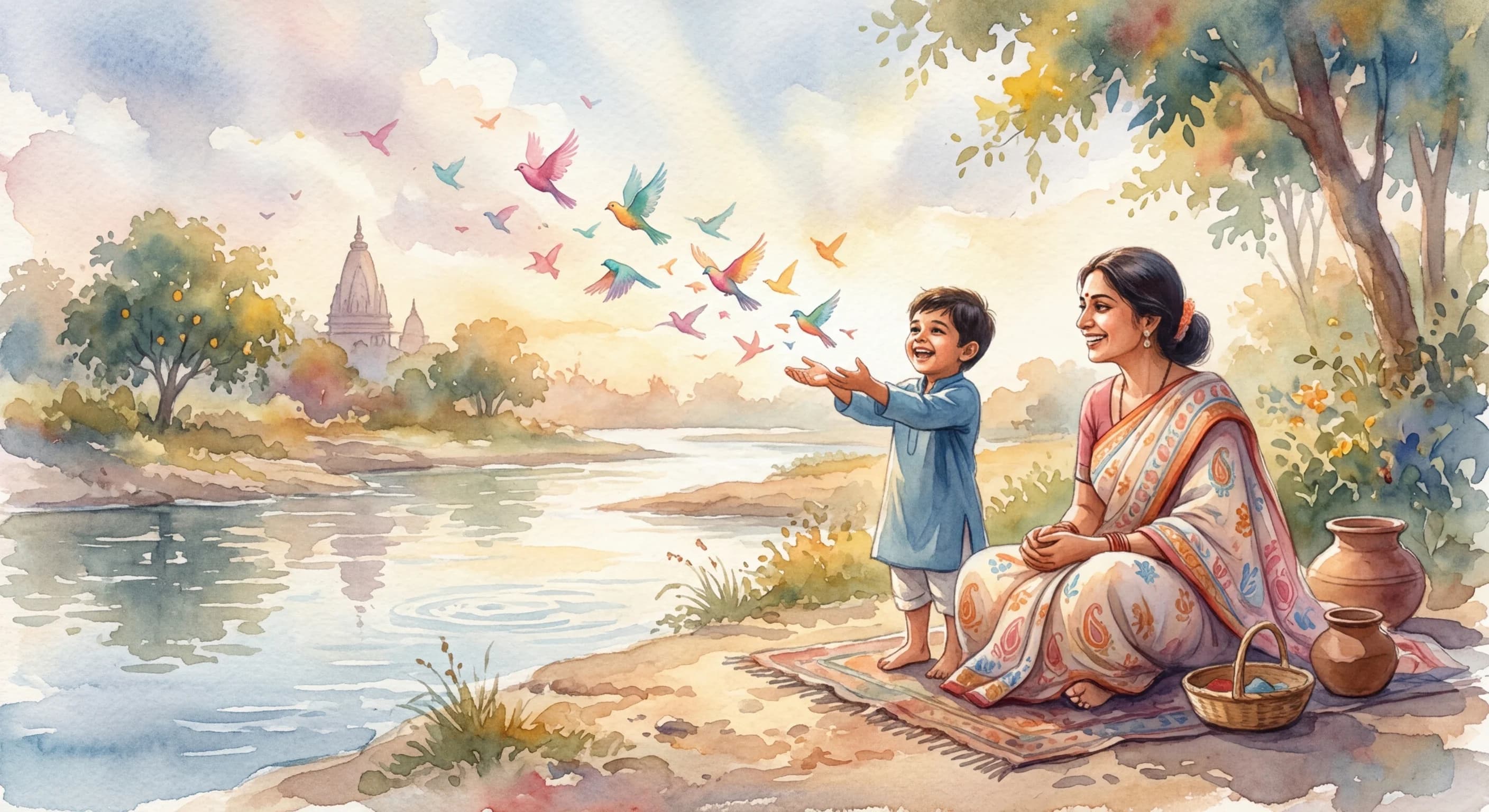
    Artistic representation of Mudita
    Sanskrit•
    🇧🇹Bhutan🇰🇭Cambodia🇮🇳India🇱🇦Laos🇲🇲Myanmar🇳🇵Nepal🇱🇰Sri Lanka🇹🇭Thailand

    Mudita

    /MOO-dee-tah/

    Meaning

    Mudita is the radiant, unadulterated joy experienced when witnessing the happiness, success, or good fortune of another being, free from any trace of envy or self-interest. It's a profound spiritual practice of genuinely celebrating others' well-being as if it were one's own, fostering a deep sense of interconnectedness and expanding the heart. This selfless delight actively counters negative emotions like jealousy and resentment, cultivating a boundless generosity of spirit that enriches both the observer and the observed.

    Literal Translation

    Sympathetic joy, delight

    The Story Behind the Word

    Mudita is one of the four 'Brahma-viharas' or 'Divine Abodes' in Buddhist and Hindu philosophy, alongside Metta (loving-kindness), Karuna (compassion), and Upekkha (equanimity). These virtues are considered essential for spiritual development and for achieving inner peace and liberation. The existence of a specific term for sympathetic joy highlights the Indian subcontinent's profound emphasis on mental cultivation and ethical living as pathways to enlightenment. It reveals a worldview that actively seeks to dismantle ego-centric tendencies and foster universal harmony, recognizing that individual well-being is intrinsically linked to the well-being of all.

    Experience It

    Friend's Promotion

    Sarah heard her close friend, David, got the promotion they both vied for. Instead of a pang of disappointment, a wave of genuine happiness washed over her. She instantly called to congratulate him, her voice brimming with sincere delight for his achievement.

    Stranger's Child Excels

    During a school play, an unknown child delivered a flawless performance. An elderly woman in the audience felt a deep, warm glow of joy for the child's talent and the parents' pride, smiling broadly as if it were her own grandchild excelling.

    The Deeper Meaning

    Mudita embodies a core Buddhist philosophical insight: that happiness is not a finite resource to be hoarded, but an expansive state that can be multiplied through shared experience. It challenges the inherent human tendency towards comparison and competition, suggesting that true liberation comes from dissolving the boundaries between self and other, and finding joy in the collective flourishing of all beings.

    Did You Know?

    Mudita is often symbolized by a peacock, whose extravagant display of beauty is shared freely, evoking joy in those who witness it, without any expectation of reciprocation.

    How It's Used

    Typically used in Buddhist philosophy and meditation to cultivate positive mental states and encourage compassion. It's a virtue to be practiced in daily life whenever one encounters the good fortune of others.

    Emotions
    gratitude,joy,peace,warmth
    Contexts
    celebration,community,family,friendship
    🇧🇹Bhutan🇰🇭Cambodia🇮🇳India🇱🇦Laos🇲🇲Myanmar🇳🇵Nepal🇱🇰Sri Lanka🇹🇭Thailand

    by Annelise Dubois·Written Mar 10, 2026·Updated Apr 3, 2026

    Related Words

    Explore more
    GezelligDutch

    Gezellig encapsulates a profound sense of warmth, belonging, and convivial comfort, extending beyond mere coziness to embrace the social and emotional atmosphere. It's the feeling of being truly at ease, surrounded by good company, laughter, and a shared sense of contentment. This untranslatable term describes not just a physical space, but a holistic experience where time seems to slow down, fostering genuine connection and a deep sense of well-being.

    Dolce far nienteItalian

    Dolce far niente captures the profound joy and effortless pleasure derived from simply existing without obligation or purpose. It's the art of savoring moments of pure, unadulterated idleness – lying in the sun, watching the clouds drift, or enjoying a leisurely coffee – not as a break from work, but as a valuable state in itself. This 'sweetness of doing nothing' is a conscious embrace of stillness and contentment, allowing the soul to breathe and the senses to fully engage with the present.

    Wabi-sabiJapanese

    Wabi-sabi is the profound appreciation for the ephemeral, the imperfect, and the incomplete aspects of existence. It is about discovering beauty in the subtle textures of age, the unique character of flaws, and the gentle decay that marks the passage of time. This philosophy encourages a quiet acceptance of impermanence and a mindful connection to the natural world, finding elegance in simplicity and authenticity.

    IkigaiJapanese

    Ikigai is more than just a reason to get out of bed; it's a deeply personal and evolving sense of purpose that brings genuine fulfillment and joy to one's life. It represents the sweet spot where your passions, talents, needs of the world, and what you can be paid for beautifully converge. Discovering your ikigai often leads to a life lived with intentionality, resilience, and a profound connection to one's contributions. It's the intrinsic motivation that fuels a meaningful existence, regardless of external circumstances.