U.
HomeRegionsLanguagesEmotionsCollections
Find Your Word

“The limits of my language mean the limits of my world.”

— Ludwig Wittgenstein, Philosopher

Untranslatable

A curated collection of the world's most beautiful expressions—words that remind us language is humanity's greatest invention.

  • Home
  • Collections
  • Regions
  • Countries
  • Emotions
  • Tags
  • Contexts
  • Finder
  • Europe
  • Asia
  • Americas
  • Africa
  • Middle East
  • About
  • Contact
  • Privacy Policy
  • Terms of Service

2026 © Untranslatable. All rights reserved.

    /
    /
    1. Home
    2. /
    3. Asia
    4. /
    5. Izzat
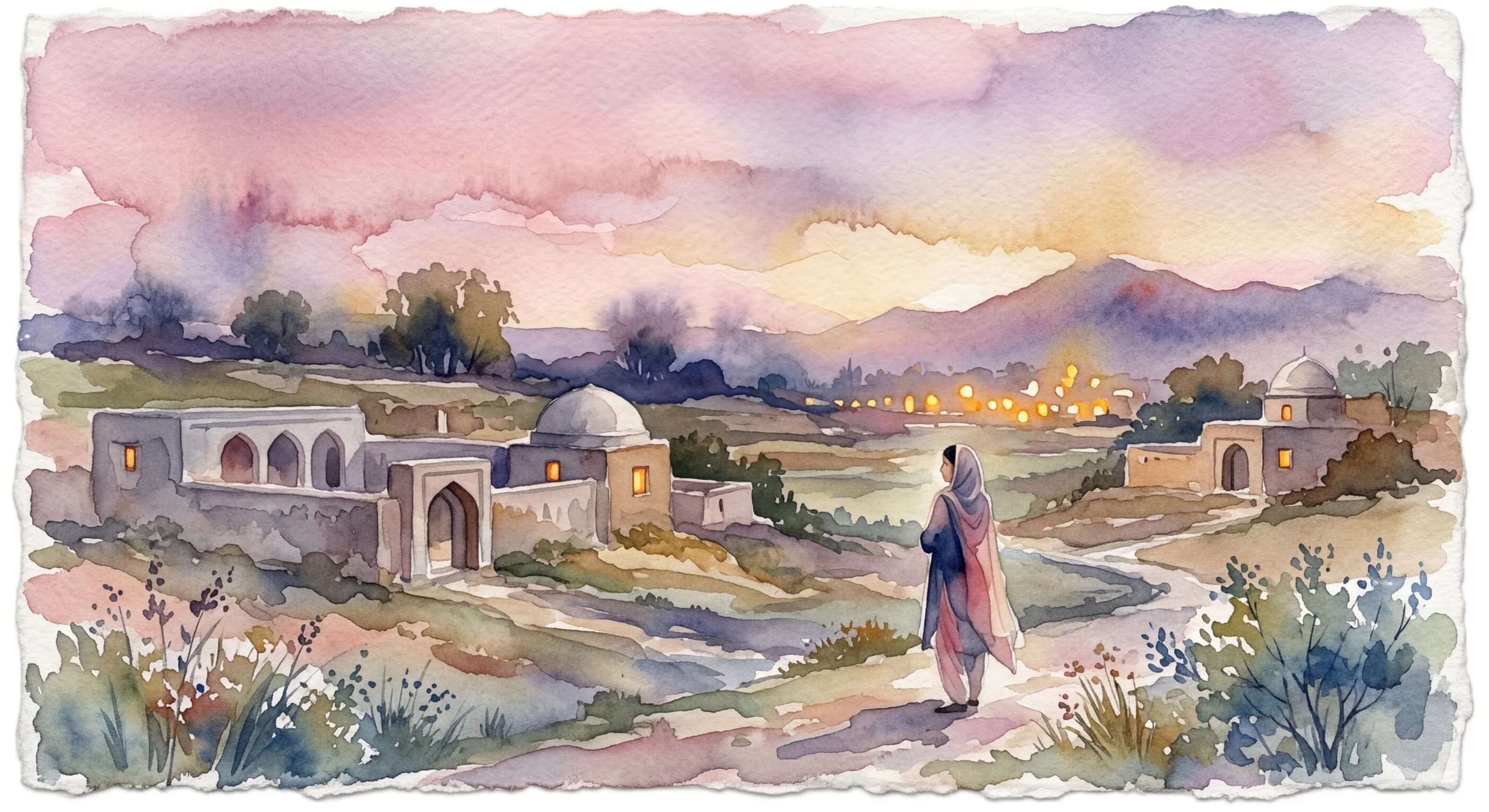
    Artistic representation of Izzat
    Urdu•
    🇦🇫Afghanistan🇮🇳India🇮🇷Iran🇵🇰Pakistan

    Izzat

    /IZ-zat/

    Meaning

    Izzat is the luminous mantle of honor, respect, and social standing that drapes an individual and, by extension, their entire family within South Asian and Middle Eastern societies. It's not merely self-regard but a fiercely guarded public reputation, a measure of one's worth and integrity in the eyes of the community. To possess izzat is to command esteem, to lose it is to face profound social disgrace, making its preservation a paramount concern woven into daily interactions and life's most significant decisions.

    Literal Translation

    Honor, dignity, respect, prestige

    The Story Behind the Word

    The concept of izzat is deeply rooted in the historical tribal, feudal, and patriarchal structures prevalent across South Asia. In societies where community bonds are paramount and individual identity is often subsumed within the family or clan, izzat became the fundamental currency of social interaction and survival. It served as a moral compass, dictating behavior, ensuring social cohesion, and maintaining order through a system of public accountability. Upholding izzat was not just a personal virtue but a collective responsibility, as the actions of one member could elevate or tarnish the entire family's standing. This collective honor system fostered a sense of interdependency and strict adherence to social norms, revealing a worldview where reputation is not just perceived but actively constructed and defended within a tightly knit social fabric.

    Experience It

    Protecting Family Izzat

    A young woman rejects a prestigious job offer in a distant city, opting instead for a less lucrative position closer to home. Her decision is driven by the desire to remain near her aging parents, ensuring their care and upholding her family's izzat by demonstrating filial piety and responsibility within the community.

    Restoring Lost Izzat

    After a business venture failed, a man worked tirelessly for years, repaying every debt and helping others in his community. His diligent efforts to rectify past misfortunes and serve his neighbors slowly but surely helped him regain the izzat he felt he had lost, earning back the respect of his peers.

    The Deeper Meaning

    Izzat reveals a profound collectivist philosophy where personal identity and worth are inextricably linked to one's social standing and the honor of their lineage. It underscores a worldview where individual actions resonate far beyond the self, impacting the entire community, and where social harmony is maintained through a shared commitment to upholding a collective code of conduct and respect.

    Did You Know?

    The phrase "meri izzat ka sawal hai" (it's a matter of my honor) is frequently used in dramatic Bollywood and Pakistani television shows to emphasize the gravity of a situation.

    How It's Used

    Izzat is invoked in discussions about social decorum, family honor, reputation, and personal dignity. It's used to describe actions that uphold or damage someone's standing, often in contexts of respect, insult, or social hierarchy.

    Emotions
    belonging,gratitude,peace,warmth
    Contexts
    family,friendship,greeting,work
    🇦🇫Afghanistan🇮🇳India🇮🇷Iran🇵🇰Pakistan

    by Annelise Dubois·Written Mar 10, 2026·Updated Apr 3, 2026

    Related Words

    Explore more
    GezelligDutch

    Gezellig encapsulates a profound sense of warmth, belonging, and convivial comfort, extending beyond mere coziness to embrace the social and emotional atmosphere. It's the feeling of being truly at ease, surrounded by good company, laughter, and a shared sense of contentment. This untranslatable term describes not just a physical space, but a holistic experience where time seems to slow down, fostering genuine connection and a deep sense of well-being.

    Dolce far nienteItalian

    Dolce far niente captures the profound joy and effortless pleasure derived from simply existing without obligation or purpose. It's the art of savoring moments of pure, unadulterated idleness – lying in the sun, watching the clouds drift, or enjoying a leisurely coffee – not as a break from work, but as a valuable state in itself. This 'sweetness of doing nothing' is a conscious embrace of stillness and contentment, allowing the soul to breathe and the senses to fully engage with the present.

    SobremesaSpanish

    Sobremesa is the cherished, often extended period immediately following a meal, particularly lunch or dinner, where diners remain seated at the table to enjoy conversation, coffee, and digest not just the food, but the company itself. It’s a dedicated time for unhurried social bonding, storytelling, and shared laughter, transforming a simple meal into a profound communal experience. Far from just clearing the dishes, sobremesa is an integral part of Spanish social life, often lasting for hours.

    Wabi-sabiJapanese

    Wabi-sabi is the profound appreciation for the ephemeral, the imperfect, and the incomplete aspects of existence. It is about discovering beauty in the subtle textures of age, the unique character of flaws, and the gentle decay that marks the passage of time. This philosophy encourages a quiet acceptance of impermanence and a mindful connection to the natural world, finding elegance in simplicity and authenticity.