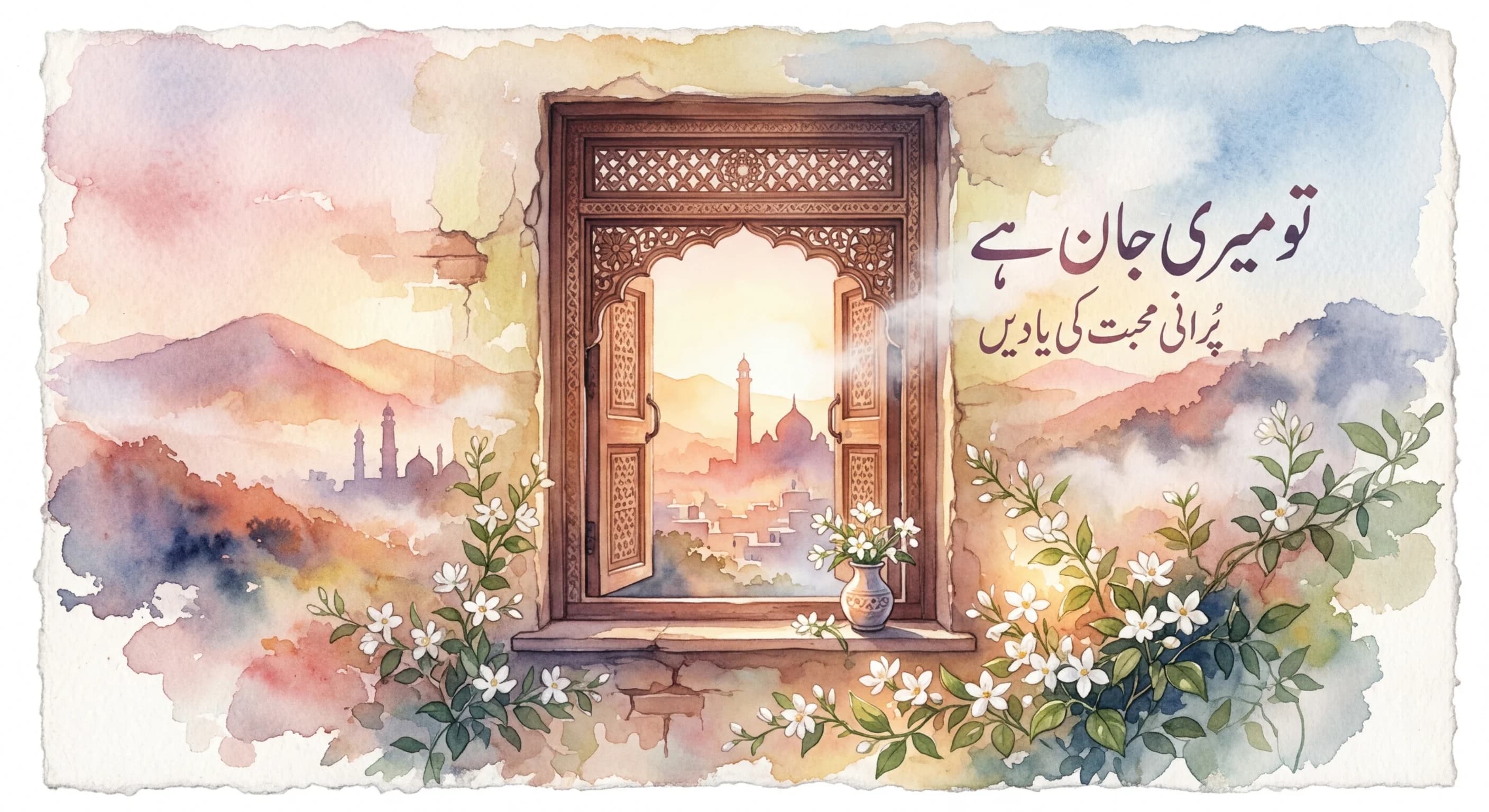
Jaan
/JAHN/
Meaning
Jaan is far more than a simple term of endearment; it encapsulates the very essence of one's being, signifying that the person addressed is as indispensable and cherished as life itself. It conveys a profound, almost existential, level of love and attachment, suggesting that the beloved is the animating force of one's existence. When someone calls you 'Jaan,' it's an affirmation of your irreplaceable value, a declaration that you are woven into the fabric of their soul and life force, transcending mere affection to embody a deep, vital connection.
Literal Translation
life, soul
The Story Behind the Word
The prevalence and profound meaning of 'Jaan' in Urdu culture are deeply rooted in the historical and philosophical traditions of the Indian subcontinent, particularly Sufism and Persian poetry, which heavily influenced Urdu. These traditions emphasize the spiritual connection between individuals and with the divine, where love is often seen as a path to higher truth. 'Jaan' reflects a worldview where relationships are not just social contracts but vital, soulful bonds that define one's identity and well-being. This term highlights the communal and interdependent nature of society, where the well-being of individuals is intrinsically linked to their connections with others. It reveals a culture that values emotional depth, loyalty, and the sacredness of human relationships, often expressing these sentiments with poetic intensity. The word's existence underscores a society that prioritizes heartfelt connection and emotional expression as central to human experience.
Experience It
Comforting a Loved One
A husband gently holds his wife's hand after she's had a difficult day. He looks into her eyes, his voice soft with concern, and says, 'Kya hua, meri Jaan?' ('What happened, my Jaan?') His tone conveys not just curiosity, but deep empathy and a desire to share her burden.
Expressing Unconditional Love
An elderly grandmother watches her mischievous grandchild play, a warm smile gracing her lips. Even as the child makes a mess, she shakes her head fondly and murmurs, 'Ah, meri Jaan,' her words filled with boundless, unconditional love that overlooks any minor fault.
The Deeper Meaning
The use of 'Jaan' reflects a philosophical understanding of human connection as fundamental to existence, rather than merely incidental. It posits that love and belonging are not external additions to life but are intrinsically woven into its very fabric, defining one's vitality and purpose. This worldview elevates emotional bonds to an almost spiritual plane, suggesting that to love deeply is to share one's very soul and life force with another, making the beloved an indispensable part of one's being.
Did You Know?
While primarily used for people, 'Jaan' can sometimes be extended playfully to beloved pets or even inanimate objects of great sentimental value, demonstrating the depth of affection it carries.
How It's Used
Used as a term of endearment, typically between romantic partners, close friends, or family members, to express deep affection and love.