U.
HomeRegionsLanguagesEmotionsCollections
Find Your Word

“The limits of my language mean the limits of my world.”

— Ludwig Wittgenstein, Philosopher

Untranslatable

A curated collection of the world's most beautiful expressions—words that remind us language is humanity's greatest invention.

  • Home
  • Collections
  • Regions
  • Countries
  • Emotions
  • Tags
  • Contexts
  • Finder
  • Europe
  • Asia
  • Americas
  • Africa
  • Middle East
  • About
  • Contact
  • Privacy Policy
  • Terms of Service

2026 © Untranslatable. All rights reserved.

    /
    /
    1. Home
    2. /
    3. Asia
    4. /
    5. Sawaab
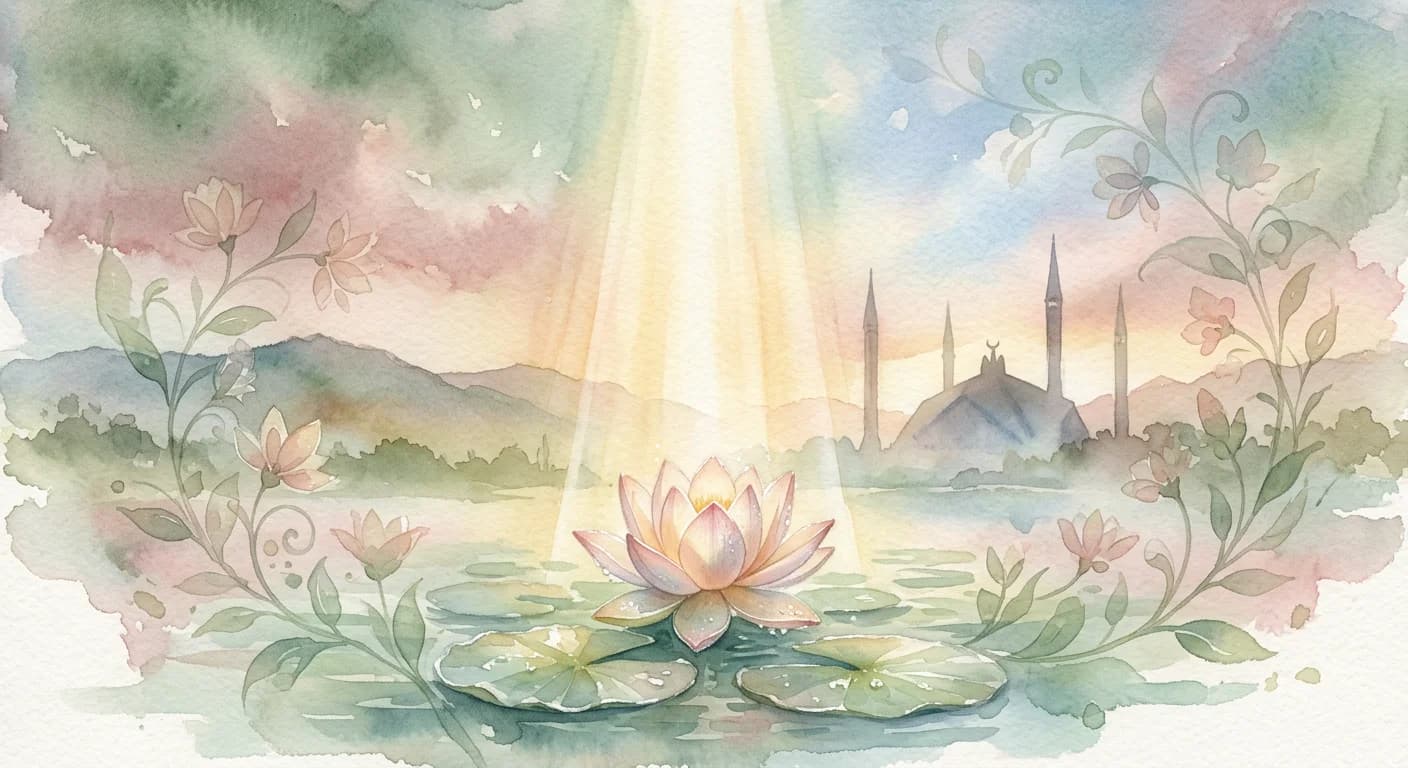
    Artistic representation of Sawaab
    Urdu•
    🇦🇫Afghanistan🇮🇳India🇮🇷Iran🇵🇰Pakistan

    Sawaab

    /SAH-waab/

    Meaning

    Sawaab transcends the simple notion of a good deed; it is the divine, spiritual currency earned through acts of piety, charity, and any virtuous endeavor undertaken with sincere intention to please Allah. It represents a meticulously recorded credit in one's eternal ledger, a profound investment in the afterlife that promises divine favor and recompense. This concept imbues every act of kindness, prayer, or sacrifice with immense spiritual weight, transforming mundane actions into opportunities for eternal betterment and a deeper connection with the divine.

    Literal Translation

    Reward, merit, virtue

    The Story Behind the Word

    The concept of Sawaab is deeply ingrained in Pakistani and broader Islamic culture, serving as a fundamental pillar of ethical and moral conduct. It stems directly from Islamic theology, where the belief in an afterlife and divine judgment necessitates a system of accountability for earthly actions. This word exists because it provides a tangible, albeit spiritual, incentive for goodness, shaping daily life from grand charitable projects to small gestures of kindness. It reveals a worldview where human existence is a test, and every moment offers a chance to accumulate spiritual merit. This constant awareness of Sawaab fosters a community-oriented ethos, encouraging generosity, patience, and altruism, as individuals understand that their good deeds not only benefit others but also secure their own eternal peace.

    Experience It

    Charity for Sawaab

    A family pooled their resources to build a water well in a drought-stricken village. They spoke not just of helping others, but of the immense 'sawaab' they hoped to earn, believing this act of sustained charity would benefit them in the hereafter.

    Patience in Adversity

    Despite facing significant financial hardship, an elderly man remained patient and grateful, never complaining. His neighbors admired his resilience, saying he was surely accumulating great 'sawaab' through his steadfastness and trust in God's plan.

    The Deeper Meaning

    Sawaab encapsulates a profound teleological worldview, where human actions are not ends in themselves but means to a divine purpose and eternal reward. It underscores the belief that life is a moral proving ground, and every choice carries spiritual consequences. This concept fosters a deep sense of personal responsibility and agency, encouraging individuals to actively cultivate virtue and contribute positively to the world, knowing their efforts are recognized and valued by a higher power.

    Did You Know?

    The 'sawaab' for some good deeds, like giving charity that continues to benefit people (e.g., planting a tree or building a school), is believed to continue accumulating even after one's death!

    How It's Used

    Used in religious and moral contexts, often when discussing acts of kindness, charity, prayer, or any deed done with the intention of pleasing God and earning divine favor.

    Emotions
    gratitude,hope,peace
    Contexts
    daily life,family,religion
    🇦🇫Afghanistan🇮🇳India🇮🇷Iran🇵🇰Pakistan

    by Anya Petrova·Written Mar 10, 2026·Updated Apr 3, 2026

    Related Words

    Explore more
    Dolce far nienteItalian

    Dolce far niente captures the profound joy and effortless pleasure derived from simply existing without obligation or purpose. It's the art of savoring moments of pure, unadulterated idleness – lying in the sun, watching the clouds drift, or enjoying a leisurely coffee – not as a break from work, but as a valuable state in itself. This 'sweetness of doing nothing' is a conscious embrace of stillness and contentment, allowing the soul to breathe and the senses to fully engage with the present.

    Wabi-sabiJapanese

    Wabi-sabi is the profound appreciation for the ephemeral, the imperfect, and the incomplete aspects of existence. It is about discovering beauty in the subtle textures of age, the unique character of flaws, and the gentle decay that marks the passage of time. This philosophy encourages a quiet acceptance of impermanence and a mindful connection to the natural world, finding elegance in simplicity and authenticity.

    IkigaiJapanese

    Ikigai is more than just a reason to get out of bed; it's a deeply personal and evolving sense of purpose that brings genuine fulfillment and joy to one's life. It represents the sweet spot where your passions, talents, needs of the world, and what you can be paid for beautifully converge. Discovering your ikigai often leads to a life lived with intentionality, resilience, and a profound connection to one's contributions. It's the intrinsic motivation that fuels a meaningful existence, regardless of external circumstances.

    NunchiKorean

    Nunchi is the sophisticated, almost telepathic, ability to instantly grasp the unspoken dynamics of any social situation, anticipating others' thoughts and feelings, and then responding with impeccable grace and timing. It's an acute form of social intuition, allowing one to navigate complex interpersonal landscapes by reading subtle cues like body language, tone, and context. Possessing good nunchi means effortlessly understanding the underlying emotional currents and adjusting one's behavior to maintain harmony and effectiveness, often without a single word exchanged.