Jat tem
/jat tem/
Meaning
This Thai phrase, "jat tem," captures the essence of an unbridled, all-encompassing commitment to an activity, signifying going the absolute full distance with maximum effort and intensity. It embodies a spirit of lavish abundance and unreserved dedication, leaving no room for half-measures or mediocrity. Whether celebrating, working, or preparing food, it's about pouring one's entire being into the experience, ensuring it reaches its absolute fullest potential and impact. It speaks to the joy found in wholehearted engagement, transforming an ordinary act into an extraordinary one.
Literal Translation
fully put / put in full
The Story Behind the Word
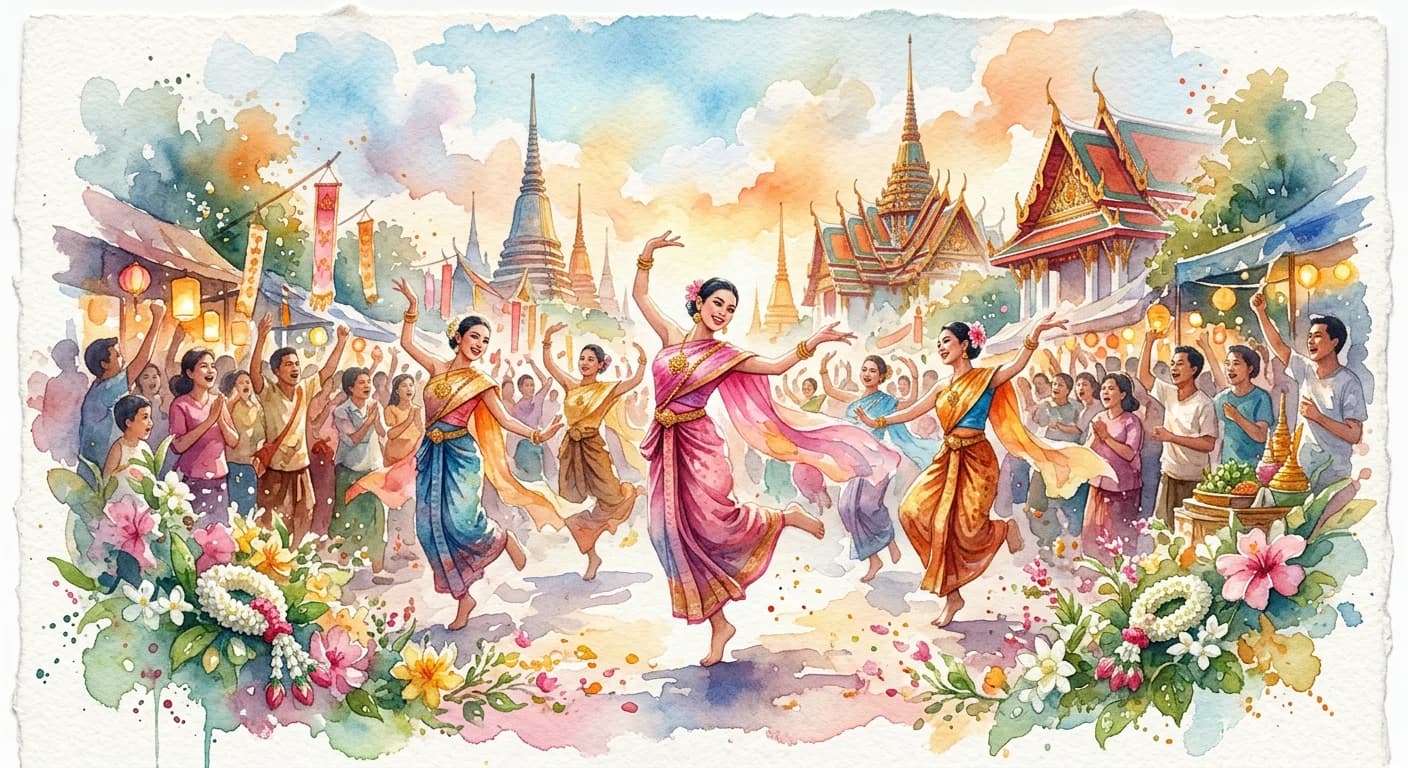
The concept of "jat tem" is deeply rooted in Thai culture's emphasis on generosity, hospitality, and a love for vibrant, sensory experiences. In a society where sharing and communal enjoyment are paramount, particularly around food and celebrations, doing something "jat tem" is a mark of respect and affection. It reflects a worldview that values making the most of every moment, often with an artistic flair and an abundance of resources, rather than a minimalist approach. This cultural trait can be seen in the elaborate temple festivals, the rich complexity of Thai cuisine, and the warm, often over-the-top hospitality extended to guests, all demonstrating a refusal to hold back when it comes to creating memorable and impactful experiences. It’s about creating a 'wow' factor, a sense of completion and overflowing goodness.
Experience It
A Feast Beyond Compare
For her son's graduation party, Auntie Noi decided to go 'jat tem.' She didn't just cook a few dishes; she prepared a sprawling buffet with over twenty different Thai delicacies, hired a live band, and decorated the entire house with elaborate flower arrangements, ensuring every guest felt immersed in the celebration.
Unleashing the Performance
The rock band, known for their powerful stage presence, truly went 'jat tem' during their finale. The lead singer belted out the high notes with every ounce of his being, the guitarist shredded an impossibly long solo, and pyrotechnics exploded, leaving the audience breathless and exhilarated.
The Deeper Meaning
This phrase reveals a fundamental Thai philosophy that embraces life with enthusiasm and a desire for completeness. It suggests that true enjoyment and success come from unreserved participation, where effort is not measured but poured out. It's a rejection of lukewarm engagement, advocating for a full-bodied, sensory approach to experience, reflecting a culture that values richness, generosity, and the art of making an occasion truly special and unforgettable.
Did You Know?
While often associated with positive exuberance, 'jat tem' can also be used ironically to describe someone who has gone ridiculously overboard or done something to an extreme, almost comical, degree.
How It's Used
Used to describe situations where something is done to its absolute fullest, with maximum effort, resources, or intensity. For example, a party that has everything, a meal prepared with every possible ingredient, or a performance given with complete dedication.