Baramee
/bah-rah-mee/
Meaning
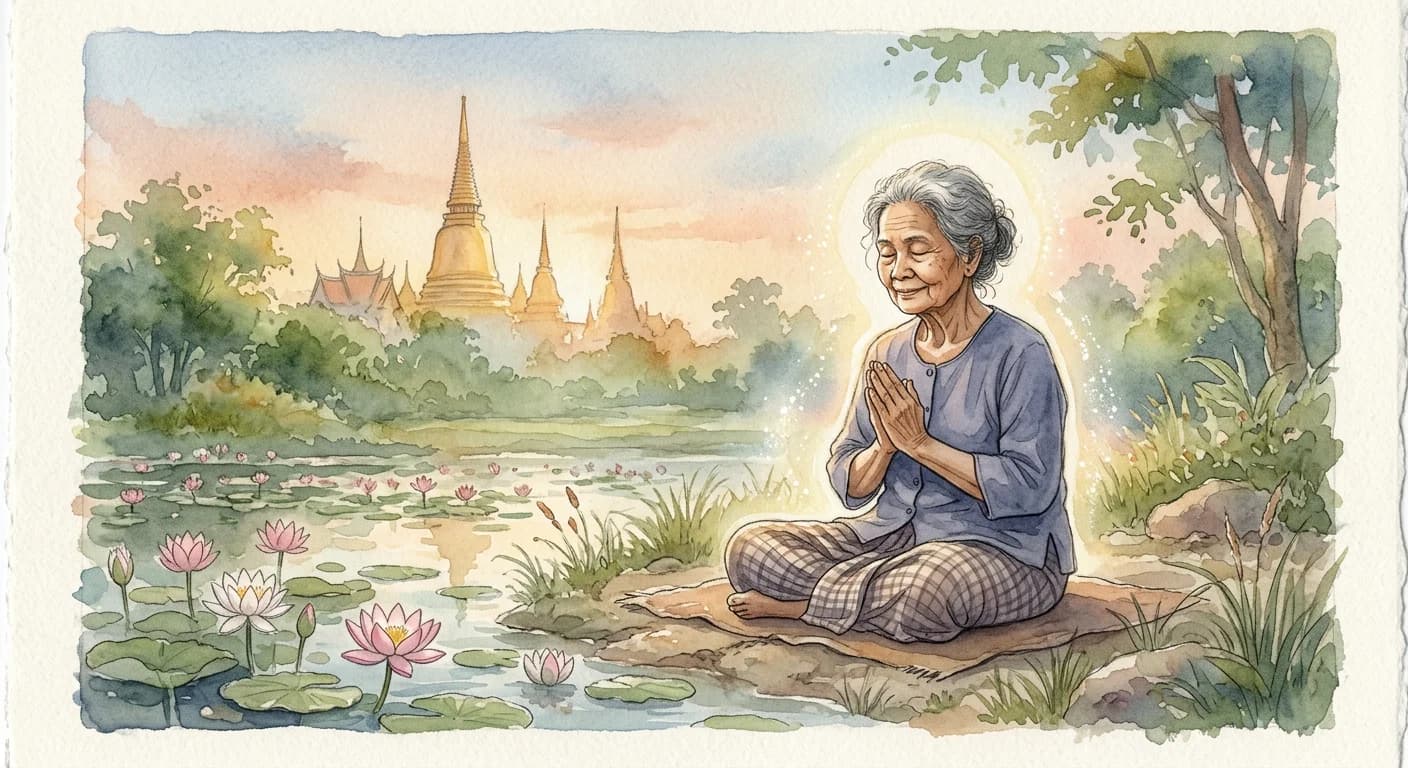
Baramee is a profound Thai concept denoting a radiant spiritual power and moral authority, cultivated through a lifetime, or even many lifetimes, of accumulated merit and virtuous deeds. It manifests as an almost mystical charisma, inspiring deep veneration and unwavering loyalty in others. More than mere influence, it's an undeniable aura of grace and inner strength, suggesting a profound alignment with Buddhist principles of compassion, generosity, and righteousness, making an individual truly revered.
Literal Translation
merit, virtue, prestige
The Story Behind the Word
The concept of Baramee is deeply rooted in Theravada Buddhism, which is the predominant religion in Thailand. It stems from the Pali term 'pāramī,' referring to the ten perfections a bodhisattva (future Buddha) must cultivate over countless lifetimes to achieve enlightenment. For Thais, Baramee isn't just about personal virtue; it's a social and cosmic force. Leaders, revered monks, and even respected elders are understood to possess Baramee, which justifies their position and commands respect. This belief system emphasizes that one's current standing is a direct result of past actions, fostering a cultural emphasis on merit-making (tham bun) as a way to accumulate Baramee and ensure a better future, both in this life and the next. It reveals a worldview where spiritual attainment directly translates into tangible influence and respect.
Experience It
The Venerated Monk's Presence
When the revered abbot entered the temple hall, a hush fell over the crowd. His gentle smile and serene gaze seemed to fill the space with a palpable sense of peace and wisdom, inspiring immediate devotion from everyone present. This was his Baramee, earned through decades of meditation and selfless service.
A Leader's Unwavering Trust
Despite political turmoil, the Prime Minister maintained a strong following. His supporters believed in his sincerity and dedication to the nation, attributing his consistent good fortune and ability to unite disparate factions to his profound Baramee. They felt an almost spiritual connection to his leadership.
The Deeper Meaning
Baramee reflects a profound Buddhist philosophical insight that true power and influence are not seized, but earned through unwavering moral conduct and spiritual cultivation. It posits that a leader's legitimacy and a person's magnetism stem from their inherent goodness and accumulated merit, rather than wealth, birthright, or force. This worldview emphasizes karma and personal responsibility in shaping one's destiny and social standing.
Did You Know?
The legendary King Bhumibol Adulyadej was widely believed to possess immense Baramee, which was often cited as a key factor in his extraordinary popularity and ability to unite the Thai nation for over 70 years.
How It's Used
Used to describe individuals who possess a strong personal charisma, influence, and prestige, often attributed to past good deeds or spiritual merit. It can be applied to political leaders, religious figures, or anyone who commands deep respect and admiration.