U.
HomeRegionsLanguagesEmotionsCollections
Find Your Word

“The limits of my language mean the limits of my world.”

— Ludwig Wittgenstein, Philosopher

Untranslatable

A curated collection of the world's most beautiful expressions—words that remind us language is humanity's greatest invention.

  • Home
  • Collections
  • Regions
  • Countries
  • Emotions
  • Tags
  • Contexts
  • Finder
  • Europe
  • Asia
  • Americas
  • Africa
  • Middle East
  • About
  • Contact
  • Privacy Policy
  • Terms of Service

2026 © Untranslatable. All rights reserved.

    /
    /
    1. Home
    2. /
    3. Asia
    4. /
    5. Yim soo
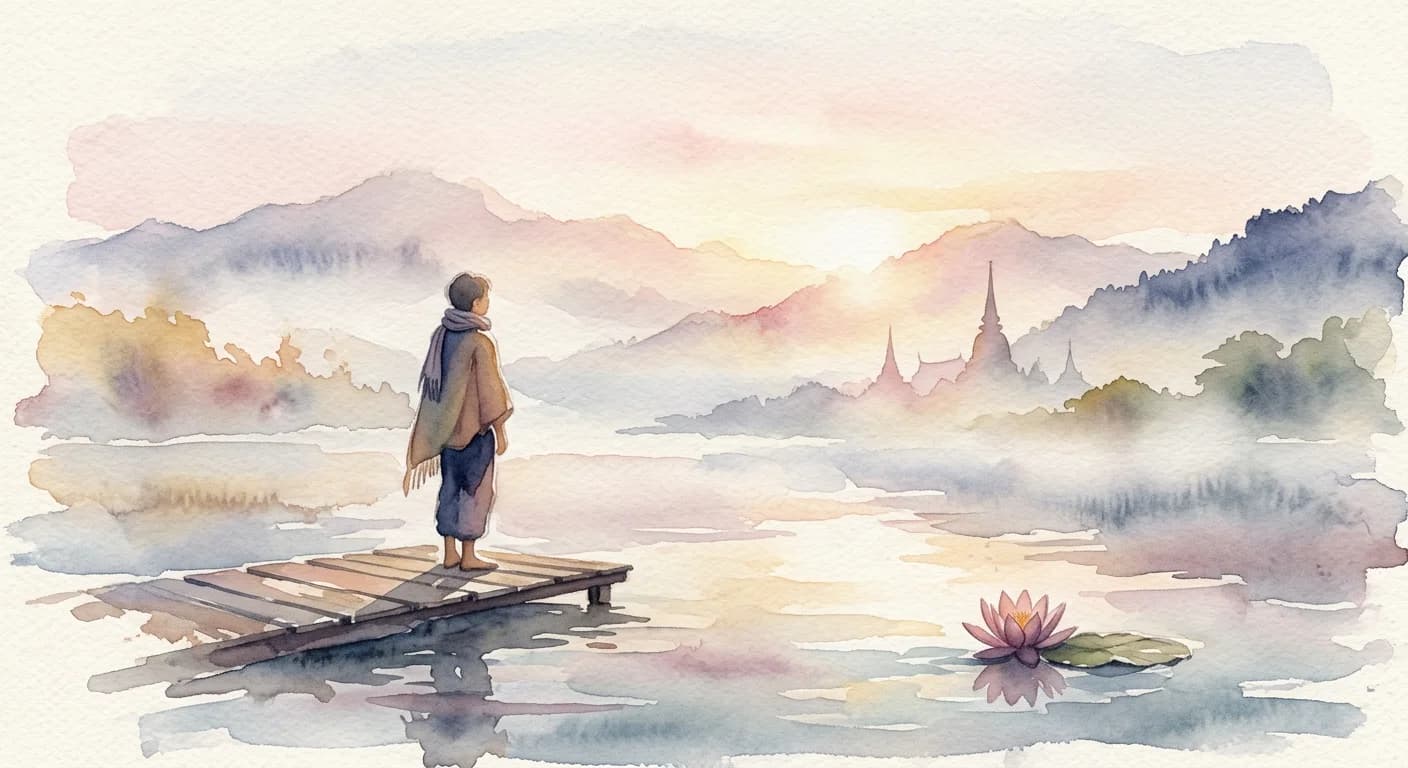
    Artistic representation of yim soo
    Thai•
    🇹🇭Thailand

    Yim soo

    /YIM SOO/

    Meaning

    The Thai phrase "yim soo" encapsulates a profound spirit of resilience and optimistic defiance in the face of adversity. It's far more than a simple polite smile; it represents a conscious, often weary, choice to confront life's challenges with an outwardly positive demeanor. This expression reflects a deep-seated cultural value of maintaining composure, inner fortitude, and a refusal to be completely overcome by hardship, signaling a determined perseverance beneath the surface.

    Literal Translation

    smile fight

    The Story Behind the Word

    The concept of "yim soo" is deeply embedded in the fabric of Thai society, reflecting historical experiences and core Buddhist principles. For centuries, the Thai people have navigated natural disasters, political upheavals, and economic hardships, fostering a collective need for inner strength and outward harmony. Buddhism, with its emphasis on impermanence (anicca), suffering (dukkha), and non-attachment, provides a philosophical bedrock for enduring difficulties with equanimity. "Yim soo" embodies the idea that while suffering is inevitable, one can choose their response, maintaining dignity and hope. It’s a social coping mechanism, encouraging individuals to present a calm, smiling front, which in turn helps maintain social cohesion and avoids burdening others with one's struggles, even as they 'fight' internally.

    Experience It

    Vendor's Daily Struggle

    A street food vendor, despite pouring rain damaging her stall and slow business, offers a genuine 'yim soo' to each passing customer. Her smile, though tired, radiates a quiet determination to make it through the day, refusing to let circumstances dampen her spirit.

    Student's Exam Stress

    A university student, overwhelmed by an upcoming exam period and family financial pressures, still manages a 'yim soo' when asked how she's doing. She's fighting her anxieties internally, but presents a brave, hopeful front, signaling her resolve to succeed.

    The Deeper Meaning

    This phrase reveals a worldview where inner strength and emotional regulation are paramount. It suggests that true power lies not in avoiding suffering, but in one's chosen response to it. "Yim soo" highlights a commitment to optimism as an active, conscious choice, viewing life's battles as opportunities to demonstrate resilience and maintain a hopeful outlook, even when the path is arduous.

    Did You Know?

    Did you know that 'yim soo' is often seen as a subtle form of 'saving face' in Thai culture? It allows individuals to acknowledge hardship without openly displaying vulnerability, thus maintaining personal and social harmony.

    How It's Used

    Used to describe someone facing a difficult situation with a smile, indicating bravery and perseverance. It can be said to encourage someone or acknowledge their strength.

    Emotions
    bittersweet,hope,resilience
    Contexts
    daily life,farewell,work
    🇹🇭Thailand

    by Dr. Kenji Tanaka·Written Mar 10, 2026·Updated Apr 3, 2026

    Related Words

    Explore more
    Wabi-sabiJapanese

    Wabi-sabi is the profound appreciation for the ephemeral, the imperfect, and the incomplete aspects of existence. It is about discovering beauty in the subtle textures of age, the unique character of flaws, and the gentle decay that marks the passage of time. This philosophy encourages a quiet acceptance of impermanence and a mindful connection to the natural world, finding elegance in simplicity and authenticity.

    IkigaiJapanese

    Ikigai is more than just a reason to get out of bed; it's a deeply personal and evolving sense of purpose that brings genuine fulfillment and joy to one's life. It represents the sweet spot where your passions, talents, needs of the world, and what you can be paid for beautifully converge. Discovering your ikigai often leads to a life lived with intentionality, resilience, and a profound connection to one's contributions. It's the intrinsic motivation that fuels a meaningful existence, regardless of external circumstances.

    NunchiKorean

    Nunchi is the sophisticated, almost telepathic, ability to instantly grasp the unspoken dynamics of any social situation, anticipating others' thoughts and feelings, and then responding with impeccable grace and timing. It's an acute form of social intuition, allowing one to navigate complex interpersonal landscapes by reading subtle cues like body language, tone, and context. Possessing good nunchi means effortlessly understanding the underlying emotional currents and adjusting one's behavior to maintain harmony and effectiveness, often without a single word exchanged.

    JugaadHindi

    Jugaad is more than just a quick fix; it embodies the spirit of resourceful, ingenious improvisation in the face of scarcity or systemic challenges. It's the art of bending rules, repurposing materials, and thinking outside the box to achieve a desired outcome, often with limited financial or technological resources. This approach celebrates clever workarounds and innovative adaptations, turning constraints into catalysts for creative problem-solving. It's about making do and making something work, brilliantly.

    Featured in 2 collections

    💪Words of Resilience🧭Finding Your Purpose