U.
HomeRegionsLanguagesEmotionsCollections
Find Your Word

“The limits of my language mean the limits of my world.”

— Ludwig Wittgenstein, Philosopher

Untranslatable

A curated collection of the world's most beautiful expressions—words that remind us language is humanity's greatest invention.

  • Home
  • Collections
  • Regions
  • Countries
  • Emotions
  • Tags
  • Contexts
  • Finder
  • Europe
  • Asia
  • Americas
  • Africa
  • Middle East
  • About
  • Contact
  • Privacy Policy
  • Terms of Service

2026 © Untranslatable. All rights reserved.

    /
    /
    1. Home
    2. /
    3. Asia
    4. /
    5. Non sông
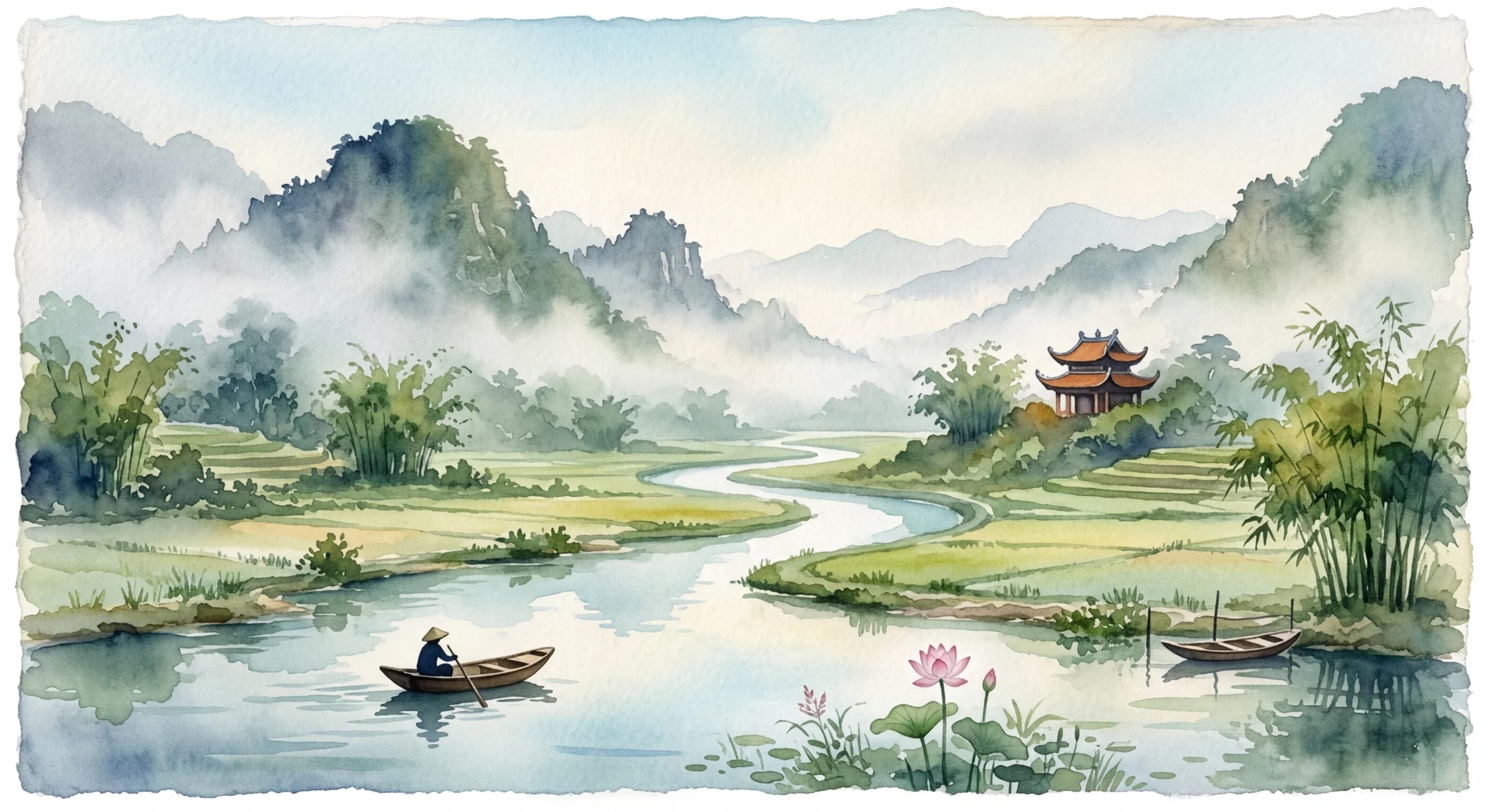
    Artistic representation of Non sông
    Vietnamese•
    🇻🇳Vietnam

    Non sông

    /NON SONG/

    Meaning

    “Non sông” transcends mere patriotism, embodying an unbreakable, almost sacred bond with Vietnam itself. It's a profound, visceral love for the nation's majestic landscapes – its winding rivers and resilient mountains – interwoven with a deep reverence for its storied history of struggle and triumph. This term signifies an emotional, spiritual, and ancestral connection, representing the collective soul and identity of the Vietnamese people, nurtured by centuries of shared experience and an enduring spirit of independence.

    Literal Translation

    mountain river

    The Story Behind the Word

    The concept of "non sông" is deeply intertwined with Vietnam's long and often turbulent history. For millennia, the Vietnamese people have defended their land against foreign invaders, fostering an intense, almost spiritual attachment to their territory. The mountains and rivers aren't just geographical features; they are silent witnesses to countless battles, symbols of resilience, and providers of life. This term reflects a worldview where the land is an extension of the people's identity, a sacred inheritance passed down through generations. It encapsulates the idea that the nation's destiny is inextricably linked to its physical form, and that protecting the "non sông" is a paramount duty, a filial piety extended to the entire homeland. This enduring sentiment has been a powerful unifying force throughout Vietnamese history, inspiring resistance, national pride, and a deep sense of collective belonging.

    Experience It

    Veteran's Reflection

    An elderly veteran, gazing at the lush rice paddies stretching to the horizon, softly murmurs, 'We fought so that our non sông could remain free.' His words carry the weight of sacrifice and an enduring love for the land he defended.

    Poet's Inspiration

    A young poet, moved by the beauty of Ha Long Bay, writes of its majestic karsts as the 'eternal bones of our non sông.' Her verses capture the profound connection between the natural landscape and the national spirit, inspiring a new generation.

    The Deeper Meaning

    This word reveals a philosophy where the land is not merely property but a living entity, a sacred ancestral domain from which identity, history, and destiny flow. It embodies a holistic worldview where individual existence is deeply interwoven with the collective fate of the nation and its physical landscape. The concept suggests an enduring responsibility to nurture and protect this inheritance, reflecting a profound sense of continuity across generations and an unwavering commitment to national sovereignty and cultural heritage.

    Did You Know?

    Many Vietnamese folk songs and classical poems frequently use 'non sông' to evoke powerful imagery of the homeland, demonstrating its deep roots in artistic and cultural expression.

    How It's Used

    Used to express deep affection and loyalty towards one's country, often in patriotic speeches, songs, or when discussing national identity and heritage.

    Emotions
    belonging,gratitude,love,nostalgia
    Contexts
    daily life,family,history,nature
    🇻🇳Vietnam

    by Dr. Kenji Tanaka·Written Mar 10, 2026·Updated Mar 27, 2026

    Related Words

    Explore more
    SobremesaSpanish

    Sobremesa is the cherished, often extended period immediately following a meal, particularly lunch or dinner, where diners remain seated at the table to enjoy conversation, coffee, and digest not just the food, but the company itself. It’s a dedicated time for unhurried social bonding, storytelling, and shared laughter, transforming a simple meal into a profound communal experience. Far from just clearing the dishes, sobremesa is an integral part of Spanish social life, often lasting for hours.

    Wabi-sabiJapanese

    Wabi-sabi is the profound appreciation for the ephemeral, the imperfect, and the incomplete aspects of existence. It is about discovering beauty in the subtle textures of age, the unique character of flaws, and the gentle decay that marks the passage of time. This philosophy encourages a quiet acceptance of impermanence and a mindful connection to the natural world, finding elegance in simplicity and authenticity.

    IkigaiJapanese

    Ikigai is more than just a reason to get out of bed; it's a deeply personal and evolving sense of purpose that brings genuine fulfillment and joy to one's life. It represents the sweet spot where your passions, talents, needs of the world, and what you can be paid for beautifully converge. Discovering your ikigai often leads to a life lived with intentionality, resilience, and a profound connection to one's contributions. It's the intrinsic motivation that fuels a meaningful existence, regardless of external circumstances.

    NunchiKorean

    Nunchi is the sophisticated, almost telepathic, ability to instantly grasp the unspoken dynamics of any social situation, anticipating others' thoughts and feelings, and then responding with impeccable grace and timing. It's an acute form of social intuition, allowing one to navigate complex interpersonal landscapes by reading subtle cues like body language, tone, and context. Possessing good nunchi means effortlessly understanding the underlying emotional currents and adjusting one's behavior to maintain harmony and effectiveness, often without a single word exchanged.