U.
HomeRegionsLanguagesEmotionsCollections
Find Your Word

“The limits of my language mean the limits of my world.”

— Ludwig Wittgenstein, Philosopher

Untranslatable

A curated collection of the world's most beautiful expressions—words that remind us language is humanity's greatest invention.

  • Home
  • Collections
  • Regions
  • Countries
  • Emotions
  • Tags
  • Contexts
  • Finder
  • Europe
  • Asia
  • Americas
  • Africa
  • Middle East
  • About
  • Contact
  • Privacy Policy
  • Terms of Service

2026 © Untranslatable. All rights reserved.

    /
    /
    1. Home
    2. /
    3. Asia
    4. /
    5. Tampo
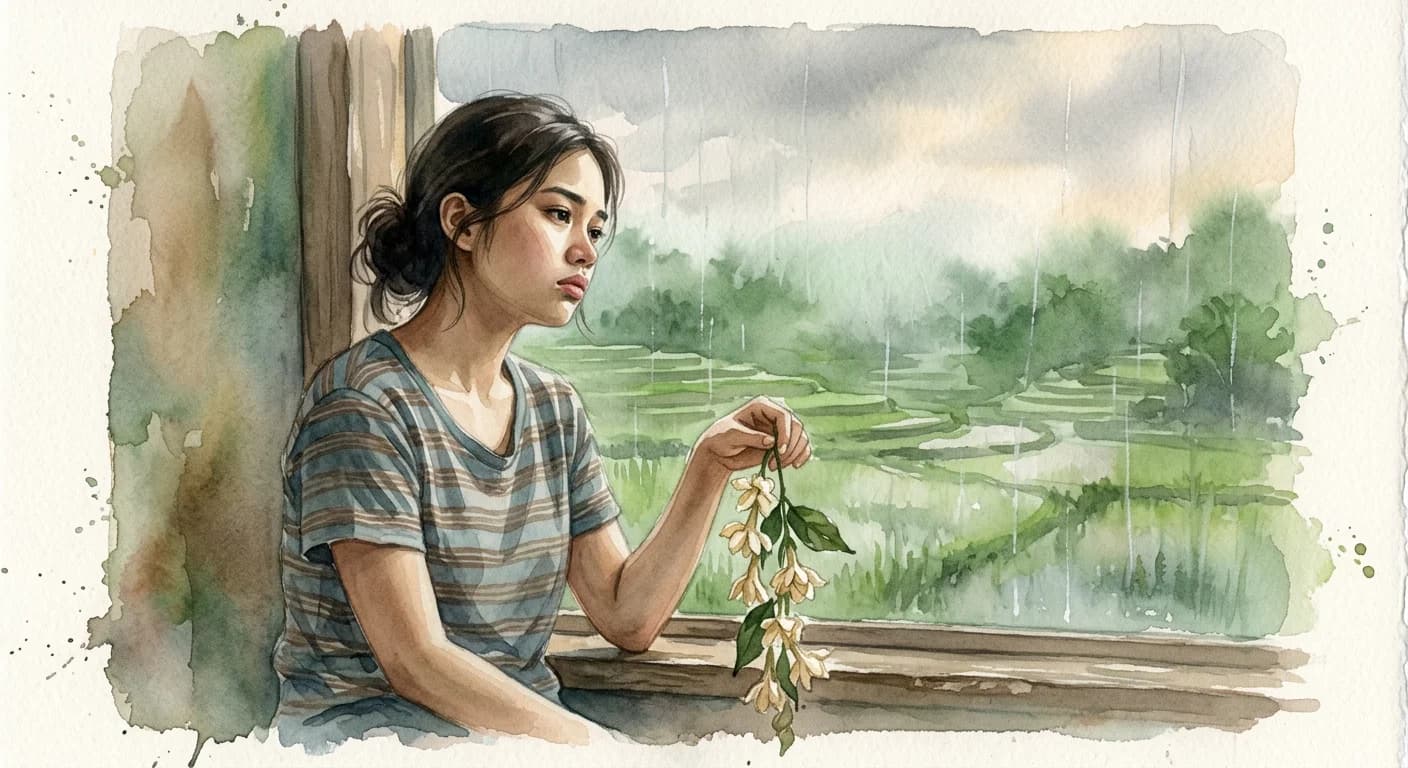
    Artistic representation of Tampo
    Tagalog•
    🇵🇭Philippines

    Tampo

    /TAHM-poh/

    Meaning

    Tampo transcends mere sulking; it is a nuanced emotional state where an individual withdraws silently due to a perceived slight or neglect from a loved one. It is a passive-aggressive expression of hurt, often rooted in an expectation that close relations should intuitively understand one's feelings without explicit articulation. The person in tampo quietly signals their displeasure, hoping their loved one will notice, inquire, and offer reassurance, thus reaffirming their value within the relationship. It's a delicate emotional dance, a test of relational intimacy and empathy.

    Literal Translation

    sulking, hurt feelings

    The Story Behind the Word

    The existence of 'tampo' in Tagalog culture speaks volumes about the Filipino emphasis on 'pakikisama' (harmony in relationships) and indirect communication. Confrontation is generally avoided to preserve group cohesion and 'hiya' (shame/dignity). Tampo allows an individual to express hurt without directly challenging the other person, thereby maintaining a semblance of harmony while still communicating displeasure. It reflects a collectivist society where individual feelings are often processed within the context of interpersonal dynamics, placing a high value on emotional intelligence and the ability to read non-verbal cues within close-knit family and community structures. This emotional display is a learned behavior, often observed and replicated from childhood, reinforcing its role in maintaining social order and emotional equilibrium.

    Experience It

    Unnoticed Anniversary

    Maria spent all day preparing a special dinner, hoping her husband, David, would remember their anniversary. When he came home oblivious, she didn't say a word, just quietly ate her food, her silence radiating a palpable hurt. David, sensing her 'tampo,' eventually asked what was wrong, prompting her to subtly reveal his oversight.

    Friend's Missed Call

    When Ana's best friend, Clara, didn't return her urgent call for hours, Ana felt a pang of neglect. Instead of confronting Clara, Ana became distant, responding with short, one-word answers to Clara's later texts. Clara, recognizing the 'tampo,' knew she had to make amends and explain her delay.

    The Deeper Meaning

    Tampo highlights a cultural philosophy where emotional expression is often indirect, valuing communal harmony over individualistic assertion. It underscores the belief that true intimacy involves an intuitive understanding of another's unspoken feelings, placing a heavy emphasis on empathy and non-verbal communication within close relationships. This concept reveals a worldview where emotional validation is often sought subtly, testing the strength and attentiveness of social bonds.

    Did You Know?

    Children as young as toddlers in the Philippines can exhibit 'tampo,' learning this complex emotional expression from observing their elders and understanding its effectiveness in gaining attention or reassurance.

    How It's Used

    Used to describe someone who is sulking or giving the silent treatment due to hurt feelings, often within family or close friendships.

    Emotions
    bittersweet,longing,melancholy
    Contexts
    family,friendship,greeting
    🇵🇭Philippines

    by Dr. Kenji Tanaka·Written Mar 10, 2026·Updated Apr 3, 2026

    Related Words

    Explore more
    SaudadePortuguese

    Saudade encapsulates a profound, melancholic longing for something or someone cherished that is absent, often with the bittersweet knowledge that it may never return. It's a deep emotional state tinged with nostalgia, evoking a sense of loss for past experiences, places, or people, yet also holding a tender appreciation for the beauty of what once was. This yearning is not merely sadness, but a complex tapestry of desire, memory, and a poignant acceptance of absence, holding the beloved in a warm, persistent embrace within the heart.

    Wabi-sabiJapanese

    Wabi-sabi is the profound appreciation for the ephemeral, the imperfect, and the incomplete aspects of existence. It is about discovering beauty in the subtle textures of age, the unique character of flaws, and the gentle decay that marks the passage of time. This philosophy encourages a quiet acceptance of impermanence and a mindful connection to the natural world, finding elegance in simplicity and authenticity.

    IkigaiJapanese

    Ikigai is more than just a reason to get out of bed; it's a deeply personal and evolving sense of purpose that brings genuine fulfillment and joy to one's life. It represents the sweet spot where your passions, talents, needs of the world, and what you can be paid for beautifully converge. Discovering your ikigai often leads to a life lived with intentionality, resilience, and a profound connection to one's contributions. It's the intrinsic motivation that fuels a meaningful existence, regardless of external circumstances.

    NunchiKorean

    Nunchi is the sophisticated, almost telepathic, ability to instantly grasp the unspoken dynamics of any social situation, anticipating others' thoughts and feelings, and then responding with impeccable grace and timing. It's an acute form of social intuition, allowing one to navigate complex interpersonal landscapes by reading subtle cues like body language, tone, and context. Possessing good nunchi means effortlessly understanding the underlying emotional currents and adjusting one's behavior to maintain harmony and effectiveness, often without a single word exchanged.