U.
HomeRegionsLanguagesEmotionsCollections
Find Your Word

“The limits of my language mean the limits of my world.”

— Ludwig Wittgenstein, Philosopher

Untranslatable

A curated collection of the world's most beautiful expressions—words that remind us language is humanity's greatest invention.

  • Home
  • Collections
  • Regions
  • Countries
  • Emotions
  • Tags
  • Contexts
  • Finder
  • Europe
  • Asia
  • Americas
  • Africa
  • Middle East
  • About
  • Contact
  • Privacy Policy
  • Terms of Service

2026 © Untranslatable. All rights reserved.

    /
    /
    1. Home
    2. /
    3. Asia
    4. /
    5. Sikmura
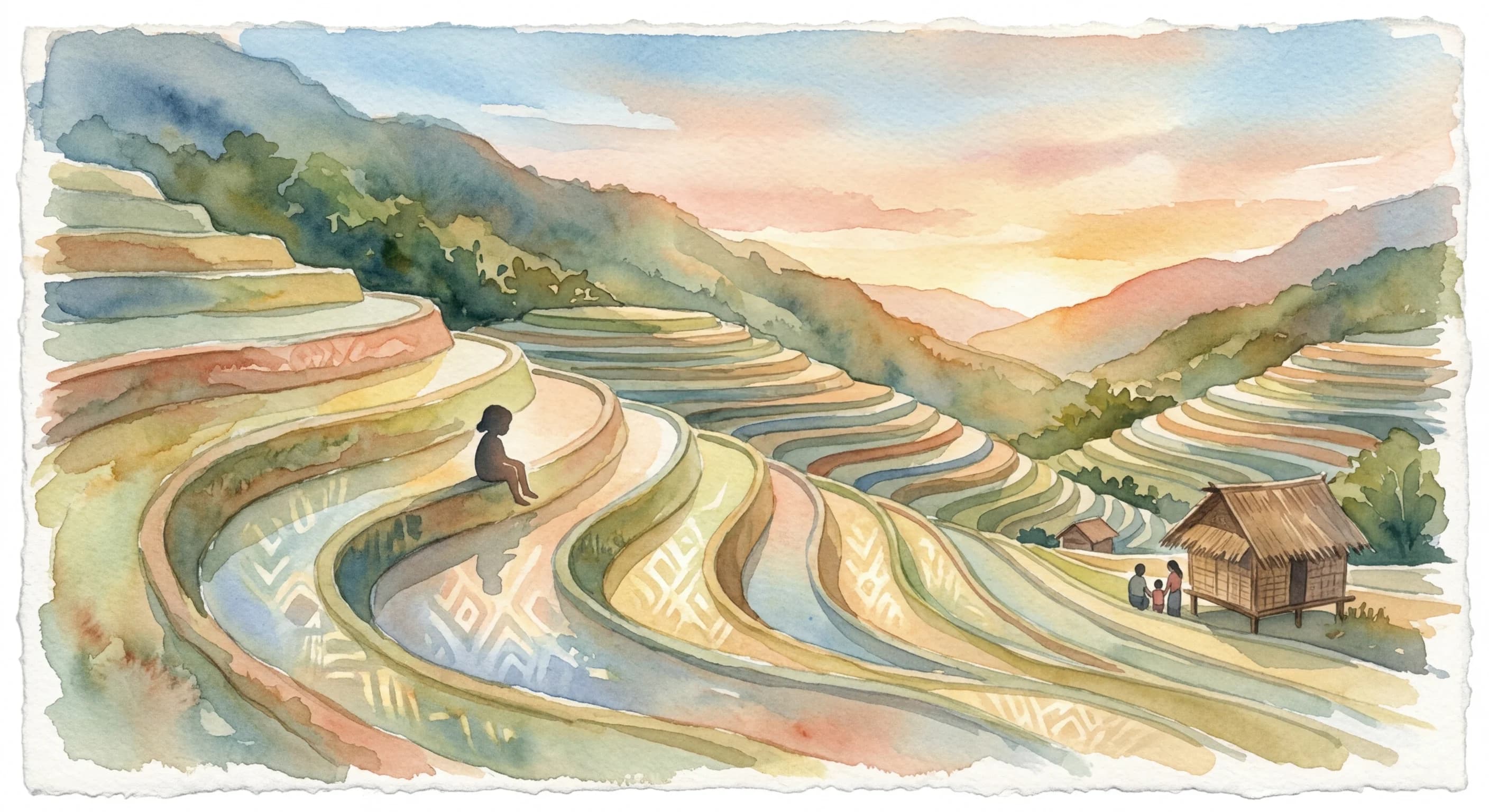
    Artistic representation of Sikmura
    Tagalog•
    🇵🇭Philippines

    Sikmura

    /sik-MOO-rah/

    Meaning

    Sikmura transcends the mere physical organ; it is the seat of one's visceral reactions and intuitive wisdom. It embodies the profound 'gut feeling' that signals truth or deception, right or wrong, often manifesting as a tangible sensation. This word captures the intimate, inseparable link between the physiological experience of the stomach and the deeper emotional and intuitive compass guiding an individual, extending even to the gnawing anticipation of hunger or deep emotional satisfaction.

    Literal Translation

    stomach

    The Story Behind the Word

    The prominence of 'sikmura' in Tagalog reflects a worldview where the body is not merely a vessel but an integral part of one's consciousness and emotional landscape. In Filipino culture, intuition and emotional intelligence are highly valued, often trusted over purely rational analysis in personal and social interactions. This word highlights a holistic understanding of human experience, where physical sensations are direct conduits to inner states and moral compass. It underpins the cultural emphasis on pakiramdam (empathy/feeling) and pakikisama (camaraderie), where understanding unspoken cues and 'gut feelings' about others' intentions is crucial for harmonious relationships. The 'sikmura' thus becomes a metaphor for one's inner barometer for truth and well-being, deeply rooted in a collective cultural reliance on instinct and emotional resonance.

    Experience It

    A Mother's Intuition

    A mother felt a sudden pang in her 'sikmura' when her child didn't come home at the usual time, an inexplicable sense of unease that urged her to check on him immediately, even before receiving any news.

    Feeling the Hunger

    After a long day of hard work, his 'sikmura' was not just empty, but it ached with a deep, emotional hunger for the comforting taste of his mother's cooking, anticipating the warmth and love it brought.

    The Deeper Meaning

    Sikmura reveals a deeply embodied philosophy where intellect and emotion are not separate, but intricately intertwined within the physical self. It suggests that profound truths and moral guidance often register first as a somatic experience, challenging Western dualistic views of mind and body. This concept empowers an individual's internal, intuitive wisdom as a legitimate and often superior form of knowing, emphasizing a holistic approach to understanding the world and oneself.

    Did You Know?

    The Tagalog word for 'courage,' 'tapang,' is sometimes linked to a strong 'sikmura,' implying that bravery stems from a firm inner core.

    How It's Used

    Used when referring to the stomach, hunger, or a strong gut feeling or intuition.

    Emotions
    belonging,comfort,gratitude,wonder
    Contexts
    dining,family,greeting,nature
    🇵🇭Philippines

    by Dr. Kenji Tanaka·Written Mar 10, 2026·Updated Apr 3, 2026

    Related Words

    Explore more
    SobremesaSpanish

    Sobremesa is the cherished, often extended period immediately following a meal, particularly lunch or dinner, where diners remain seated at the table to enjoy conversation, coffee, and digest not just the food, but the company itself. It’s a dedicated time for unhurried social bonding, storytelling, and shared laughter, transforming a simple meal into a profound communal experience. Far from just clearing the dishes, sobremesa is an integral part of Spanish social life, often lasting for hours.

    Wabi-sabiJapanese

    Wabi-sabi is the profound appreciation for the ephemeral, the imperfect, and the incomplete aspects of existence. It is about discovering beauty in the subtle textures of age, the unique character of flaws, and the gentle decay that marks the passage of time. This philosophy encourages a quiet acceptance of impermanence and a mindful connection to the natural world, finding elegance in simplicity and authenticity.

    IkigaiJapanese

    Ikigai is more than just a reason to get out of bed; it's a deeply personal and evolving sense of purpose that brings genuine fulfillment and joy to one's life. It represents the sweet spot where your passions, talents, needs of the world, and what you can be paid for beautifully converge. Discovering your ikigai often leads to a life lived with intentionality, resilience, and a profound connection to one's contributions. It's the intrinsic motivation that fuels a meaningful existence, regardless of external circumstances.

    NunchiKorean

    Nunchi is the sophisticated, almost telepathic, ability to instantly grasp the unspoken dynamics of any social situation, anticipating others' thoughts and feelings, and then responding with impeccable grace and timing. It's an acute form of social intuition, allowing one to navigate complex interpersonal landscapes by reading subtle cues like body language, tone, and context. Possessing good nunchi means effortlessly understanding the underlying emotional currents and adjusting one's behavior to maintain harmony and effectiveness, often without a single word exchanged.