U.
HomeRegionsLanguagesEmotionsCollections
Find Your Word

“The limits of my language mean the limits of my world.”

— Ludwig Wittgenstein, Philosopher

Untranslatable

A curated collection of the world's most beautiful expressions—words that remind us language is humanity's greatest invention.

  • Home
  • Collections
  • Regions
  • Countries
  • Emotions
  • Tags
  • Contexts
  • Finder
  • Europe
  • Asia
  • Americas
  • Africa
  • Middle East
  • About
  • Contact
  • Privacy Policy
  • Terms of Service

2026 © Untranslatable. All rights reserved.

    /
    /
    1. Home
    2. /
    3. Asia
    4. /
    5. Basta
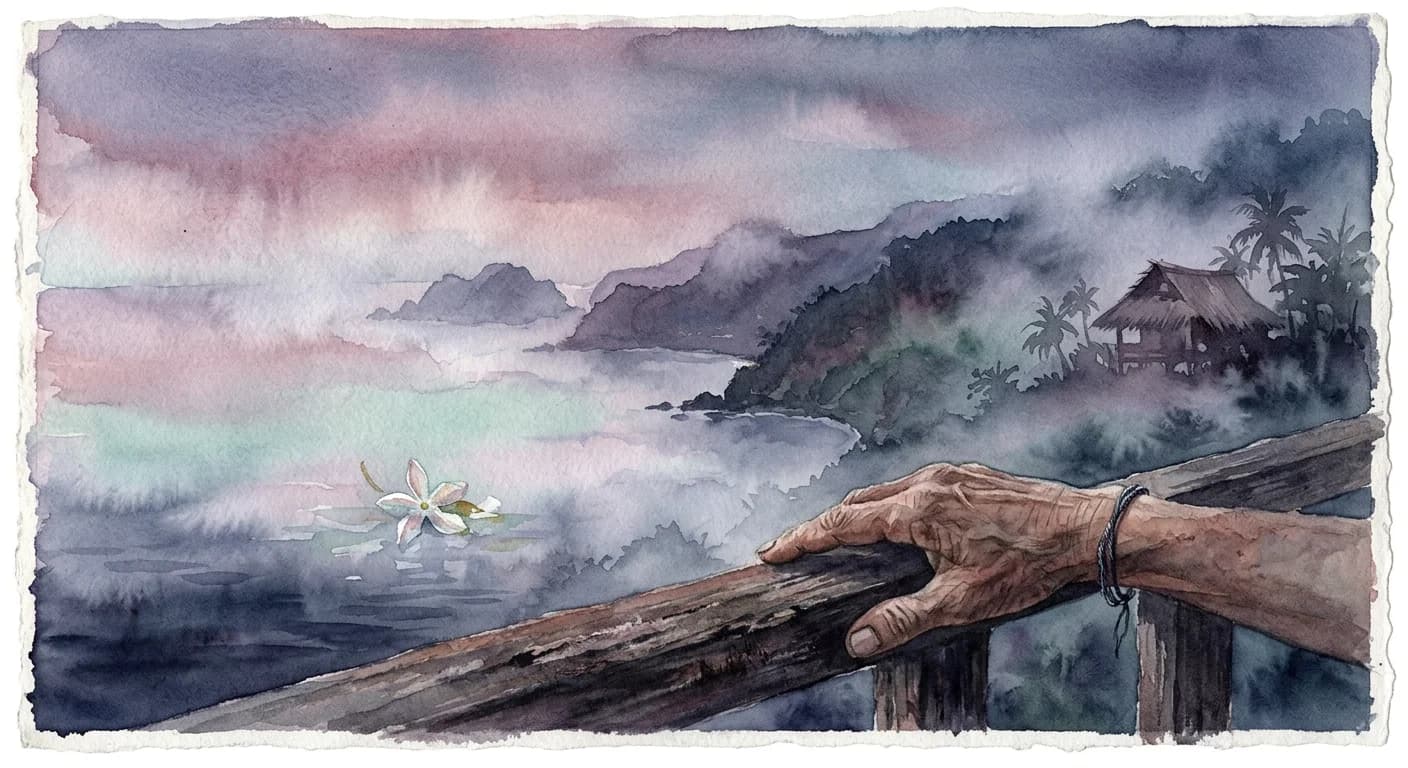
    Artistic representation of Basta
    Spanish•
    🇮🇹Italy🇵🇭Philippines🇪🇸Spain

    Basta

    /BAHS-tah/

    Meaning

    In the Philippines, "Basta" transcends a simple declaration of sufficiency; it's a potent expression of finality, often imbued with a weary resignation or an edge of exasperation. It marks the precise moment when one's endurance has been depleted, a boundary has been irrevocably crossed, or a situation has reached its absolute, non-negotiable limit. Uttered with a sigh or a decisive gesture, it signifies that further discussion, action, or tolerance is simply no longer possible or desired, embodying a cultural understanding of reaching an emotional or practical tipping point.

    Literal Translation

    Enough

    The Story Behind the Word

    The deep resonance of "Basta" in Filipino culture is rooted in a society that values harmony and often defers direct confrontation. While Filipinos are generally patient and accommodating, "Basta" emerges as a crucial linguistic tool when that patience has been utterly exhausted. It serves as a non-negotiable, often passive-aggressive, way to assert a boundary without resorting to a lengthy explanation or overt conflict, which can be seen as impolite. It reflects a collective understanding that some things simply 'are,' and further questioning or resistance is futile. This word embodies the Filipino tendency to absorb and endure until a breaking point is reached, at which "Basta" becomes the definitive last word, signifying a quiet but firm reclaiming of personal space or decision.

    Experience It

    The Overworked Mother

    After a long day of chores and managing energetic children, Maria’s youngest asks for another story. "Basta!" she sighs, gently closing the book, her tone conveying that her energy reserves are completely depleted, and bedtime is non-negotiable.

    Business Negotiation Ends

    During a heated negotiation, the other party keeps pushing for a lower price. Mr. Reyes, after several rounds of concessions, finally leans back, shakes his head, and says, "Basta. This is our final offer." The word hangs in the air, signaling that the discussion is unequivocally over.

    The Deeper Meaning

    The usage of "Basta" reveals a cultural philosophy that acknowledges and respects the limits of patience, endurance, and discussion. It underscores a collective understanding that there are moments when rational discourse or continued effort becomes unproductive, giving way to an intuitive acceptance of a boundary. This word encapsulates a pragmatic worldview where, beyond a certain point, further engagement is not just unnecessary but potentially detrimental, favoring a decisive, albeit sometimes abrupt, conclusion.

    Did You Know?

    While primarily Spanish in origin, "Basta" in the Philippines often carries a more profound, almost philosophical weight of 'that's just how it is, and I'm done,' compared to its more straightforward 'enough' in Spain.

    How It's Used

    Used to signal that something is enough, that a limit has been reached, or to end a discussion or activity. It can be a simple statement of sufficiency or a more emphatic declaration of 'that's enough!'

    Emotions
    acceptance,anger,resilience
    Contexts
    conflict,daily life
    🇮🇹Italy🇵🇭Philippines🇪🇸Spain

    by Annelise Dubois·Written Mar 10, 2026·Updated Apr 3, 2026

    Related Words

    Explore more
    Dolce far nienteItalian

    Dolce far niente captures the profound joy and effortless pleasure derived from simply existing without obligation or purpose. It's the art of savoring moments of pure, unadulterated idleness – lying in the sun, watching the clouds drift, or enjoying a leisurely coffee – not as a break from work, but as a valuable state in itself. This 'sweetness of doing nothing' is a conscious embrace of stillness and contentment, allowing the soul to breathe and the senses to fully engage with the present.

    Wabi-sabiJapanese

    Wabi-sabi is the profound appreciation for the ephemeral, the imperfect, and the incomplete aspects of existence. It is about discovering beauty in the subtle textures of age, the unique character of flaws, and the gentle decay that marks the passage of time. This philosophy encourages a quiet acceptance of impermanence and a mindful connection to the natural world, finding elegance in simplicity and authenticity.

    IkigaiJapanese

    Ikigai is more than just a reason to get out of bed; it's a deeply personal and evolving sense of purpose that brings genuine fulfillment and joy to one's life. It represents the sweet spot where your passions, talents, needs of the world, and what you can be paid for beautifully converge. Discovering your ikigai often leads to a life lived with intentionality, resilience, and a profound connection to one's contributions. It's the intrinsic motivation that fuels a meaningful existence, regardless of external circumstances.

    NunchiKorean

    Nunchi is the sophisticated, almost telepathic, ability to instantly grasp the unspoken dynamics of any social situation, anticipating others' thoughts and feelings, and then responding with impeccable grace and timing. It's an acute form of social intuition, allowing one to navigate complex interpersonal landscapes by reading subtle cues like body language, tone, and context. Possessing good nunchi means effortlessly understanding the underlying emotional currents and adjusting one's behavior to maintain harmony and effectiveness, often without a single word exchanged.