U.
HomeRegionsLanguagesEmotionsCollections
Find Your Word

“The limits of my language mean the limits of my world.”

— Ludwig Wittgenstein, Philosopher

Untranslatable

A curated collection of the world's most beautiful expressions—words that remind us language is humanity's greatest invention.

  • Home
  • Collections
  • Regions
  • Countries
  • Emotions
  • Tags
  • Contexts
  • Finder
  • Europe
  • Asia
  • Americas
  • Africa
  • Middle East
  • About
  • Contact
  • Privacy Policy
  • Terms of Service

2026 © Untranslatable. All rights reserved.

    /
    /
    1. Home
    2. /
    3. Asia
    4. /
    5. Hiya
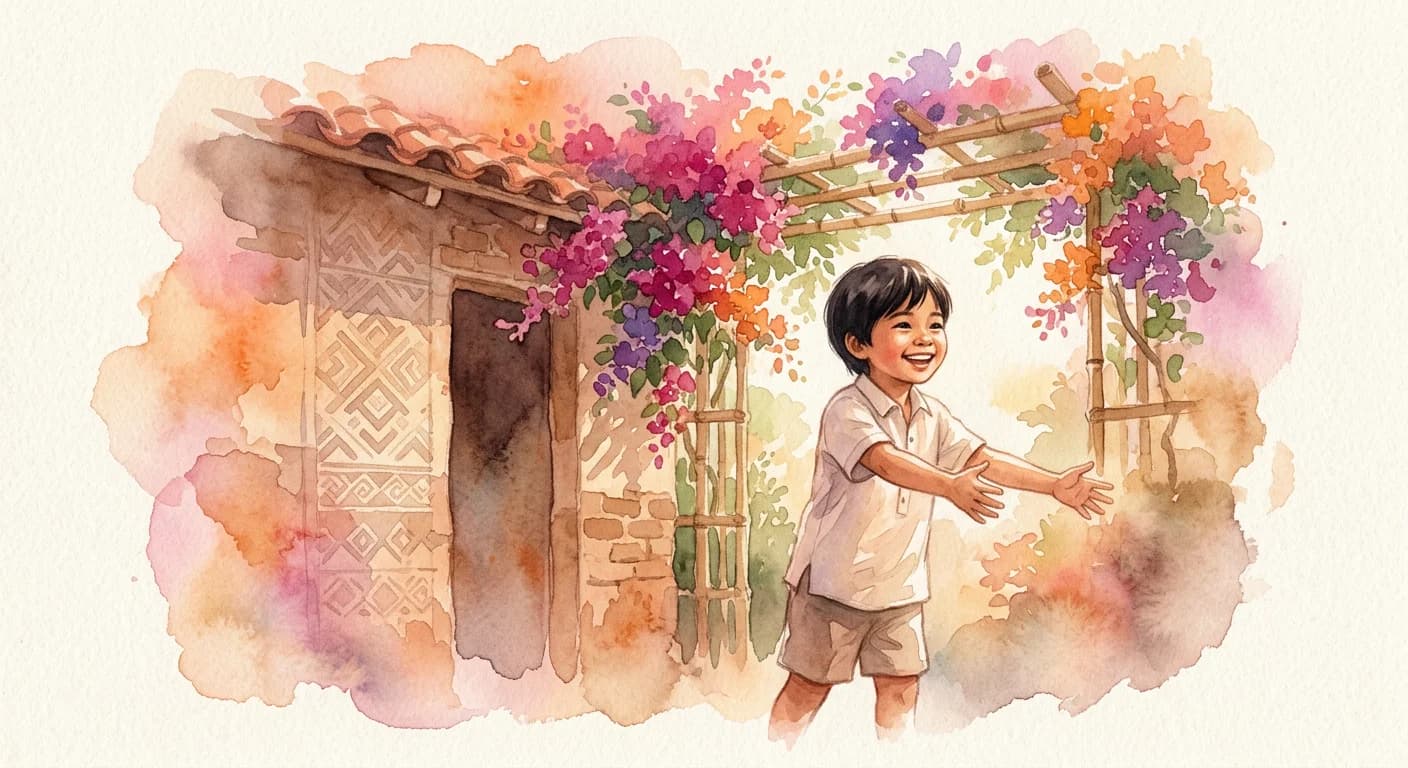
    Artistic representation of Hiya
    Filipino•
    🇵🇭Philippines🇬🇧United Kingdom

    Hiya

    /HY-uh/

    Meaning

    In Filipino culture, 'hiya' is not a greeting but rather a profound concept of shame, embarrassment, or a sense of propriety that governs social behavior. It's an internalized moral compass that dictates how one acts to maintain social harmony and avoid bringing dishonor upon oneself or one's family. It can manifest as shyness, humility, or a reluctance to impose, deeply influencing interactions and decisions within the community. It's a cornerstone of Filipino social ethics, emphasizing respect and collective well-being.

    Literal Translation

    N/A

    The Story Behind the Word

    The concept of 'hiya' is deeply embedded in the fabric of Filipino society, serving as a powerful social sanction and a cornerstone of interpersonal relationships. Its roots can be traced to pre-colonial indigenous values emphasizing communal harmony, respect for elders, and the importance of collective identity over individualistic pursuits. 'Hiya' acts as a self-regulating mechanism, ensuring individuals adhere to social norms and avoid actions that might cause discomfort, embarrassment, or loss of face for themselves or others. It reveals a worldview where social interconnectedness and mutual respect are paramount, dictating everything from how one accepts a gift to how one expresses disagreement, always prioritizing the smooth functioning of the group.

    Experience It

    Declining a Favor

    Maria's neighbor offers her a ride, but Maria, despite needing it, politely declines, saying, 'Nahihiya po ako.' She feels 'hiya' at the thought of inconveniencing her neighbor, even though the offer was sincere. This shows her respect and reluctance to impose.

    Public Performance Jitters

    A young student, asked to sing in front of the class, blushes and looks down, hesitant to perform. Their 'hiya' is evident, a natural shyness and humility in the spotlight, reflecting a cultural tendency to avoid drawing too much individual attention.

    The Deeper Meaning

    The concept of 'hiya' reflects a profoundly collectivist and relational philosophy where individual actions are always considered in light of their impact on the community. It underscores the value of smooth interpersonal relations and the avoidance of conflict or discord. This worldview prioritizes maintaining social equilibrium and mutual respect, suggesting that true dignity comes from upholding one's place within the social fabric rather than asserting individualistic desires.

    Did You Know?

    While often translated as 'shame,' 'hiya' is far more nuanced, encompassing humility, reserve, and a strong sense of propriety, making it a complex emotional and social regulator.

    How It's Used

    Used as an informal greeting, similar to 'hello' or 'hi', but often with a warmer, more enthusiastic tone. Common among friends, family, and in casual social settings.

    Emotions
    belonging,joy,warmth
    Contexts
    family,friendship,greeting
    🇵🇭Philippines🇬🇧United Kingdom

    by Dr. Kenji Tanaka·Written Mar 10, 2026·Updated Apr 3, 2026

    Related Words

    Explore more
    GezelligDutch

    Gezellig encapsulates a profound sense of warmth, belonging, and convivial comfort, extending beyond mere coziness to embrace the social and emotional atmosphere. It's the feeling of being truly at ease, surrounded by good company, laughter, and a shared sense of contentment. This untranslatable term describes not just a physical space, but a holistic experience where time seems to slow down, fostering genuine connection and a deep sense of well-being.

    SobremesaSpanish

    Sobremesa is the cherished, often extended period immediately following a meal, particularly lunch or dinner, where diners remain seated at the table to enjoy conversation, coffee, and digest not just the food, but the company itself. It’s a dedicated time for unhurried social bonding, storytelling, and shared laughter, transforming a simple meal into a profound communal experience. Far from just clearing the dishes, sobremesa is an integral part of Spanish social life, often lasting for hours.

    Wabi-sabiJapanese

    Wabi-sabi is the profound appreciation for the ephemeral, the imperfect, and the incomplete aspects of existence. It is about discovering beauty in the subtle textures of age, the unique character of flaws, and the gentle decay that marks the passage of time. This philosophy encourages a quiet acceptance of impermanence and a mindful connection to the natural world, finding elegance in simplicity and authenticity.

    IkigaiJapanese

    Ikigai is more than just a reason to get out of bed; it's a deeply personal and evolving sense of purpose that brings genuine fulfillment and joy to one's life. It represents the sweet spot where your passions, talents, needs of the world, and what you can be paid for beautifully converge. Discovering your ikigai often leads to a life lived with intentionality, resilience, and a profound connection to one's contributions. It's the intrinsic motivation that fuels a meaningful existence, regardless of external circumstances.