U.
HomeRegionsLanguagesEmotionsCollections
Find Your Word

“The limits of my language mean the limits of my world.”

— Ludwig Wittgenstein, Philosopher

Untranslatable

A curated collection of the world's most beautiful expressions—words that remind us language is humanity's greatest invention.

  • Home
  • Collections
  • Regions
  • Countries
  • Emotions
  • Tags
  • Contexts
  • Finder
  • Europe
  • Asia
  • Americas
  • Africa
  • Middle East
  • About
  • Contact
  • Privacy Policy
  • Terms of Service

2026 © Untranslatable. All rights reserved.

    /
    /
    1. Home
    2. /
    3. Asia
    4. /
    5. Gemes
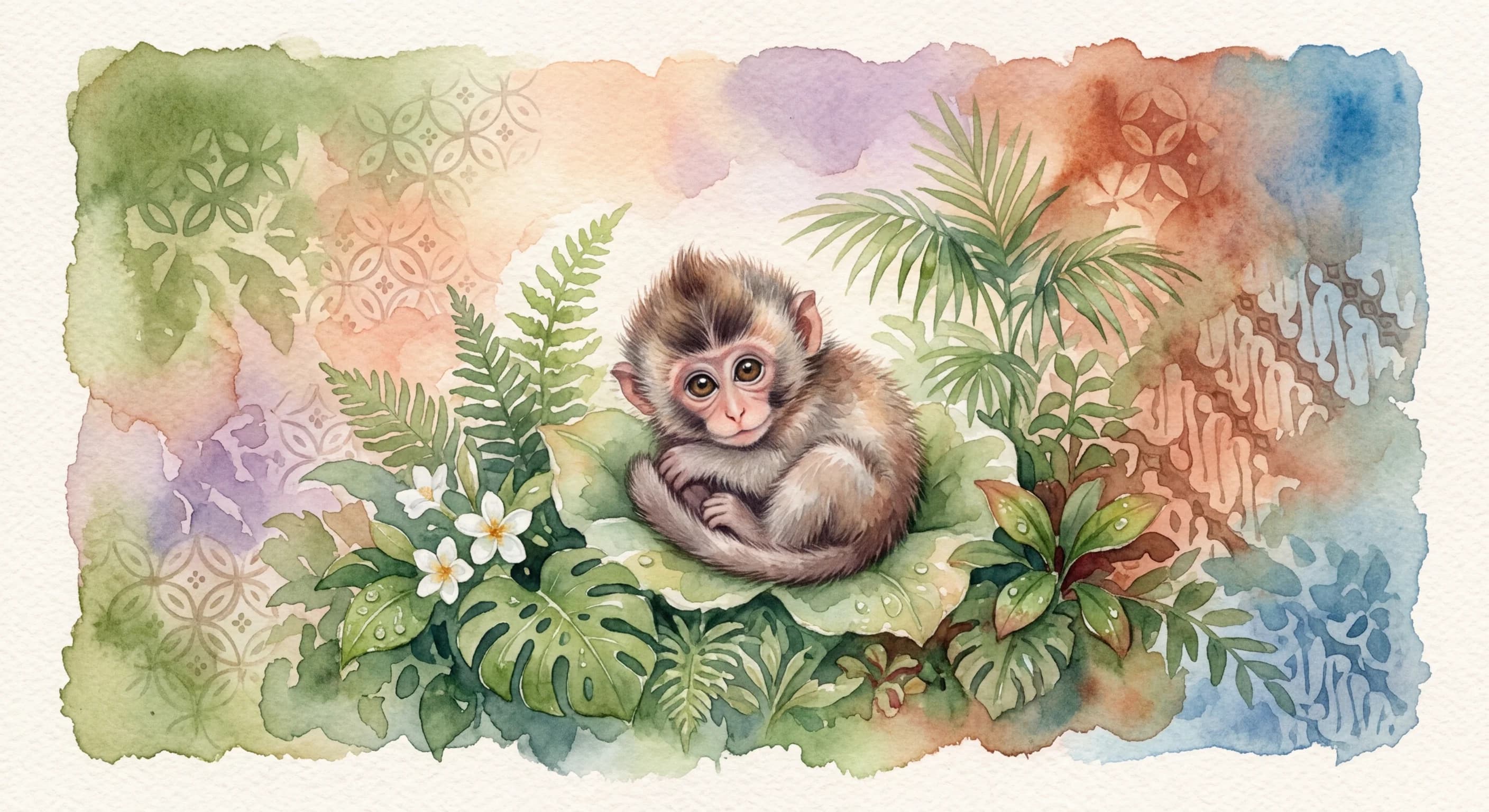
    Artistic representation of Gemes
    Indonesian•
    🇮🇩Indonesia

    Gemes

    /GUH-mess/

    Meaning

    Gemes is a truly delightful Indonesian expression capturing an intense, almost overwhelming surge of affection and tenderness, typically triggered by something incredibly endearing. It encapsulates that irresistible, playful urge to gently pinch, squeeze, or dote on something so utterly adorable that it makes your heart ache with fondness. This powerful emotional response transcends simple liking, manifesting as a visceral reaction to extreme cuteness, often evoked by chubby-cheeked babies, fluffy animals, or even charmingly clumsy gestures, blending adoration with a touch of exasperated delight.

    Literal Translation

    There isn't a direct literal translation; it's an onomatopoeic or expressive word.

    The Story Behind the Word

    The existence of 'gemes' in the Indonesian lexicon speaks to a culture that openly embraces and expresses affection, particularly towards the young and vulnerable. It reflects a societal value placed on emotional responsiveness and the communal joy found in cuteness. This word isn't just about individual feeling; it often elicits shared exclamations and physical gestures within a group, reinforcing social bonds through collective appreciation of charm. It highlights a cultural inclination towards expressing emotions openly and physically, rather than suppressing them, especially when confronted with something universally perceived as lovable. 'Gemes' also subtly hints at a paternalistic or maternalistic instinct, where overwhelming affection can manifest as a desire to protect or playfully 'overwhelm' the object of one's adoration, a common theme in Indonesian familial interactions.

    Experience It

    Baby's Giggling Charm

    Auntie Ani sees her niece, a chubby-cheeked toddler, giggling uncontrollably while trying to catch bubbles. Ani's eyes crinkle, and she claps her hands together, exclaiming, 'Aduh, gemes banget!' as she scoops up the child for a big hug and a playful pinch on the cheek.

    Kitten's Playful Antics

    Andi watches a tiny kitten playfully pounce on its own tail, tumbling over in a comical fashion. He can't help but smile widely, muttering 'Gemes!' under his breath as he reaches out to gently stroke its soft fur, feeling an overwhelming urge to cuddle the little creature.

    The Deeper Meaning

    The concept of 'gemes' reveals a cultural philosophy that values and openly expresses emotional vulnerability and the power of charm. It suggests a worldview where intense, unadulterated affection is seen not as a weakness, but as a deeply human and unifying experience. It underscores the profound impact of innocence and cuteness in fostering connection and joy within communities, highlighting an appreciation for the simpler, more visceral pleasures of life.

    Did You Know?

    While 'gemes' is often associated with positive cuteness, it can sometimes be used ironically or playfully to describe something so annoying or frustrating that it's almost endearing.

    How It's Used

    Used when encountering something overwhelmingly cute or endearing, prompting a physical or vocal reaction of affection.

    Emotions
    comfort,joy,love,warmth
    Contexts
    celebration,family,greeting
    🇮🇩Indonesia

    by Dr. Kenji Tanaka·Written Mar 10, 2026·Updated Apr 3, 2026

    Related Words

    Explore more
    GezelligDutch

    Gezellig encapsulates a profound sense of warmth, belonging, and convivial comfort, extending beyond mere coziness to embrace the social and emotional atmosphere. It's the feeling of being truly at ease, surrounded by good company, laughter, and a shared sense of contentment. This untranslatable term describes not just a physical space, but a holistic experience where time seems to slow down, fostering genuine connection and a deep sense of well-being.

    Wabi-sabiJapanese

    Wabi-sabi is the profound appreciation for the ephemeral, the imperfect, and the incomplete aspects of existence. It is about discovering beauty in the subtle textures of age, the unique character of flaws, and the gentle decay that marks the passage of time. This philosophy encourages a quiet acceptance of impermanence and a mindful connection to the natural world, finding elegance in simplicity and authenticity.

    IkigaiJapanese

    Ikigai is more than just a reason to get out of bed; it's a deeply personal and evolving sense of purpose that brings genuine fulfillment and joy to one's life. It represents the sweet spot where your passions, talents, needs of the world, and what you can be paid for beautifully converge. Discovering your ikigai often leads to a life lived with intentionality, resilience, and a profound connection to one's contributions. It's the intrinsic motivation that fuels a meaningful existence, regardless of external circumstances.

    NunchiKorean

    Nunchi is the sophisticated, almost telepathic, ability to instantly grasp the unspoken dynamics of any social situation, anticipating others' thoughts and feelings, and then responding with impeccable grace and timing. It's an acute form of social intuition, allowing one to navigate complex interpersonal landscapes by reading subtle cues like body language, tone, and context. Possessing good nunchi means effortlessly understanding the underlying emotional currents and adjusting one's behavior to maintain harmony and effectiveness, often without a single word exchanged.