U.
HomeRegionsLanguagesEmotionsCollections
Find Your Word

“The limits of my language mean the limits of my world.”

— Ludwig Wittgenstein, Philosopher

Untranslatable

A curated collection of the world's most beautiful expressions—words that remind us language is humanity's greatest invention.

  • Home
  • Collections
  • Regions
  • Countries
  • Emotions
  • Tags
  • Contexts
  • Finder
  • Europe
  • Asia
  • Americas
  • Africa
  • Middle East
  • About
  • Contact
  • Privacy Policy
  • Terms of Service

2026 © Untranslatable. All rights reserved.

    /
    /
    1. Home
    2. /
    3. Asia
    4. /
    5. Mager
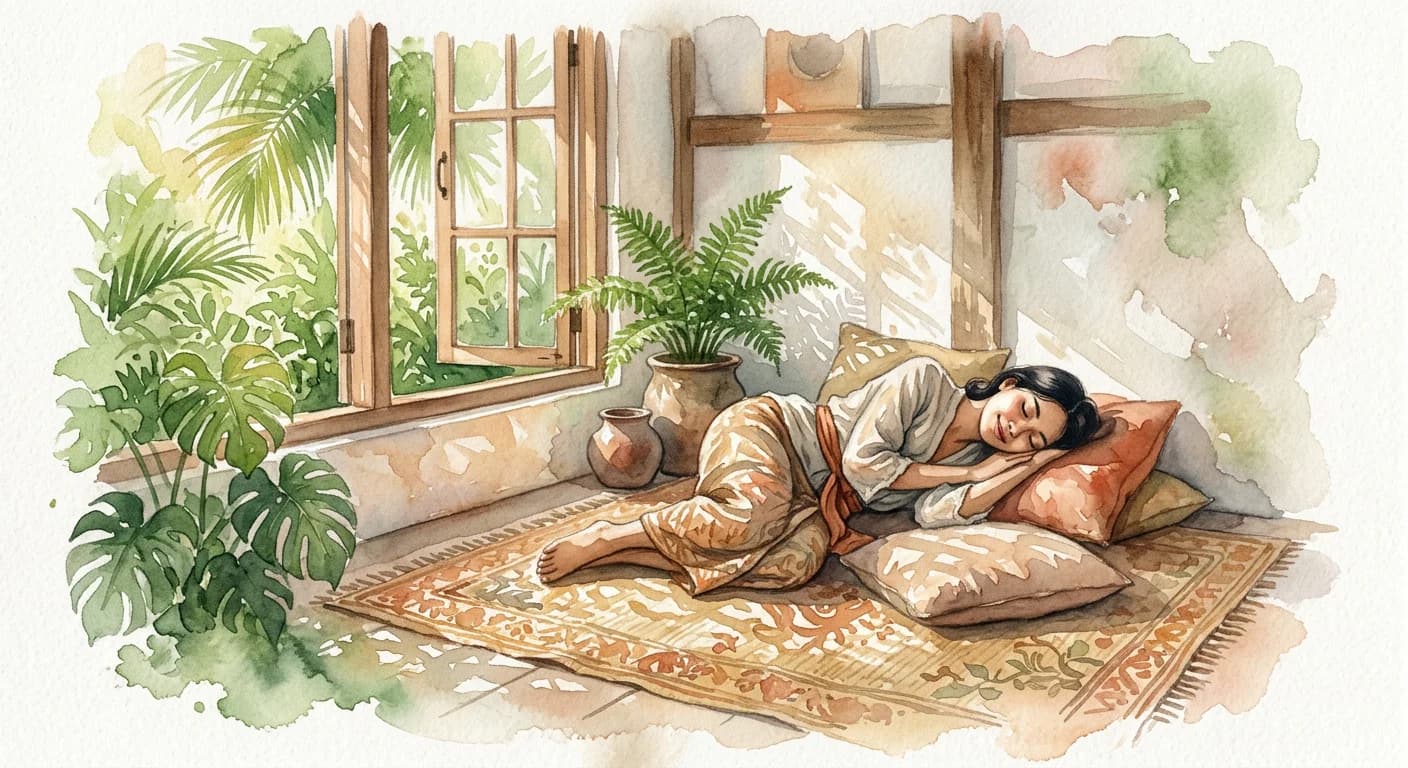
    Artistic representation of Mager
    Indonesian•
    🇮🇩Indonesia

    Mager

    /MAH-ger/

    Meaning

    Mager, a portmanteau of 'malas gerak,' encapsulates a delightful state of voluntary, comfortable inertia, a cherished refusal to exert physical effort. It's not mere laziness, but a temporary, often blissful embrace of idleness, perhaps while cocooned on a sofa, engrossed in a screen, or simply enjoying the quietude. This feeling is a celebrated respite, a deeply satisfying pause from life's relentless pace, allowing for a profound sense of relaxation and recharge.

    Literal Translation

    lazy to move

    The Story Behind the Word

    The existence and widespread use of 'mager' in Indonesian culture highlight a societal appreciation for moments of unburdened relaxation amidst a bustling, often high-pressure, daily life. Indonesia, with its vibrant social interactions and demanding urban environments, fosters a need for such mental and physical 'time-outs.' 'Mager' isn't seen as a moral failing but rather a natural, even necessary, response to exertion, reflecting a communal understanding that rest is vital for well-being. It underscores a culture that, while valuing hard work and community, also recognizes and permits individual moments of self-indulgent comfort. The word's informal, playful nature further suggests a lighthearted approach to this state, making it relatable and acceptable across generations.

    Experience It

    Weekend Movie Marathon

    It's Saturday afternoon, and the rain is pouring outside. "Aduh, mager banget," Siti sighs contentedly from her spot on the couch, wrapped in a blanket, a bowl of popcorn within reach, as the next episode of her favorite drama begins. She has no intention of moving for hours.

    Post-Meal Indulgence

    After a huge family lunch, Uncle Budi leans back in his chair, patting his full stomach. "Wah, mager nih," he grumbles good-naturedly to his nephew, gesturing vaguely towards the kitchen. The dishes can wait; this moment of food-induced stupor is paramount.

    The Deeper Meaning

    'Mager' subtly reveals a philosophical leaning towards balancing effort with restorative idleness. It challenges the purely productivity-driven mindset, suggesting that moments of conscious, comfortable inaction are not only permissible but essential for mental and emotional equilibrium. It implies a wisdom in knowing when to pause, embracing the present moment of ease rather than constantly striving, thereby fostering a more holistic approach to living.

    Did You Know?

    The word 'mager' has become so ubiquitous that it's often used as a verb itself, like 'Aku lagi mager' (I am 'mager-ing'), showcasing its deep integration into everyday Indonesian slang.

    How It's Used

    Used informally among friends and family to describe a state of wanting to stay put and not do much, often in a relaxed and comfortable setting.

    Emotions
    comfort,contentment,serenity
    Contexts
    family,relaxation,solitude
    🇮🇩Indonesia

    by Sofia Rossi·Written Mar 10, 2026·Updated Apr 3, 2026

    Related Words

    Explore more
    HyggeDanish

    Hygge is more than mere coziness; it's a holistic embrace of comfort, warmth, and belonging that nourishes the soul. It describes the intentional creation of an intimate atmosphere where simple pleasures, genuine connection, and mindful presence converge, fostering a profound sense of contentment and well-being. It's about finding joy and peace in the small, everyday moments, often shared with loved ones.

    Wabi-sabiJapanese

    Wabi-sabi is the profound appreciation for the ephemeral, the imperfect, and the incomplete aspects of existence. It is about discovering beauty in the subtle textures of age, the unique character of flaws, and the gentle decay that marks the passage of time. This philosophy encourages a quiet acceptance of impermanence and a mindful connection to the natural world, finding elegance in simplicity and authenticity.

    IkigaiJapanese

    Ikigai is more than just a reason to get out of bed; it's a deeply personal and evolving sense of purpose that brings genuine fulfillment and joy to one's life. It represents the sweet spot where your passions, talents, needs of the world, and what you can be paid for beautifully converge. Discovering your ikigai often leads to a life lived with intentionality, resilience, and a profound connection to one's contributions. It's the intrinsic motivation that fuels a meaningful existence, regardless of external circumstances.

    NunchiKorean

    Nunchi is the sophisticated, almost telepathic, ability to instantly grasp the unspoken dynamics of any social situation, anticipating others' thoughts and feelings, and then responding with impeccable grace and timing. It's an acute form of social intuition, allowing one to navigate complex interpersonal landscapes by reading subtle cues like body language, tone, and context. Possessing good nunchi means effortlessly understanding the underlying emotional currents and adjusting one's behavior to maintain harmony and effectiveness, often without a single word exchanged.