U.
HomeRegionsLanguagesEmotionsCollections
Find Your Word

“The limits of my language mean the limits of my world.”

— Ludwig Wittgenstein, Philosopher

Untranslatable

A curated collection of the world's most beautiful expressions—words that remind us language is humanity's greatest invention.

  • Home
  • Collections
  • Regions
  • Countries
  • Emotions
  • Tags
  • Contexts
  • Finder
  • Europe
  • Asia
  • Americas
  • Africa
  • Middle East
  • About
  • Contact
  • Privacy Policy
  • Terms of Service

2026 © Untranslatable. All rights reserved.

    /
    /
    1. Home
    2. /
    3. Asia
    4. /
    5. Tsog
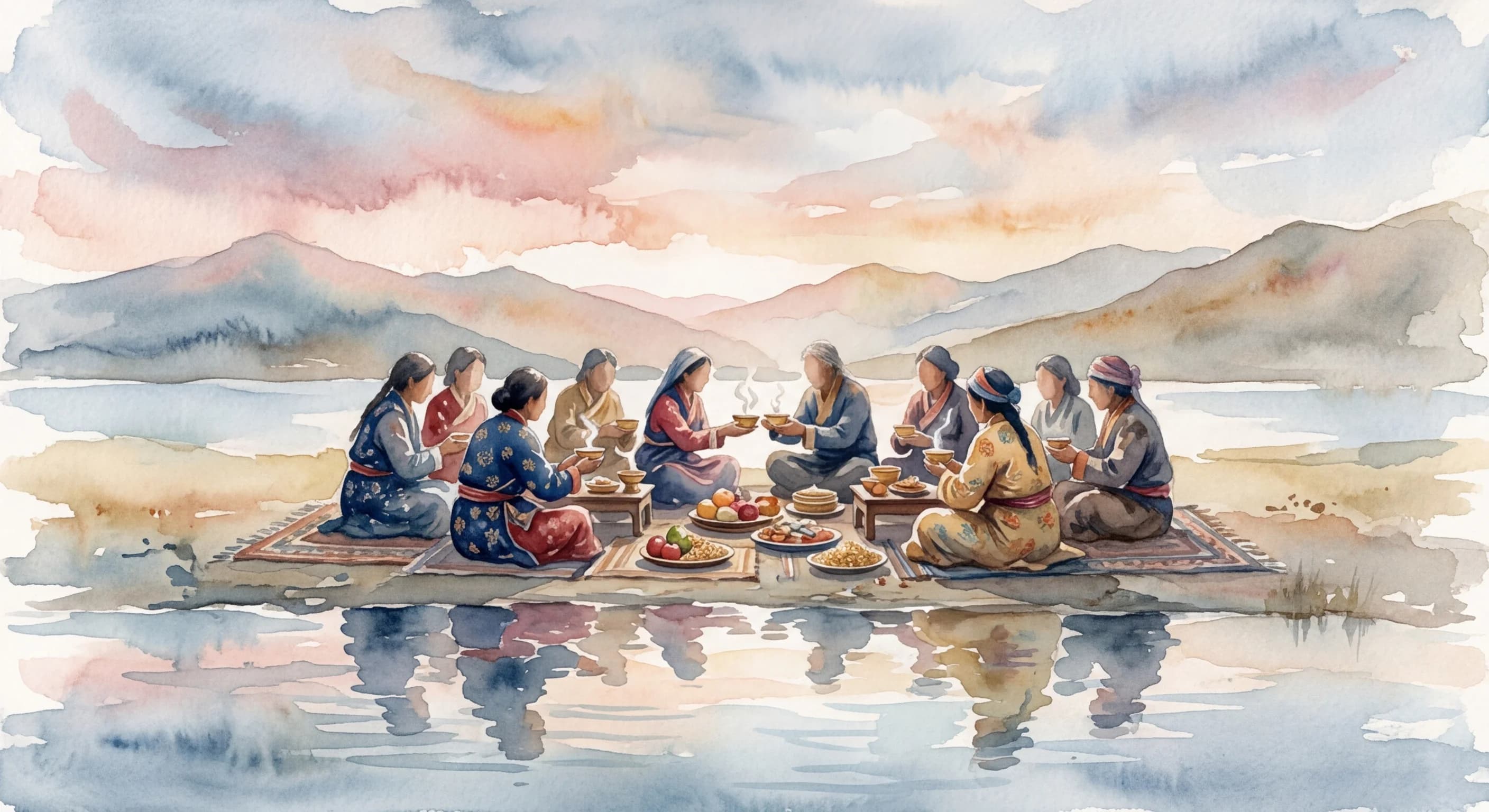
    Artistic representation of tsog
    Tibetan•
    🇧🇹Bhutan🇨🇳China🇮🇳India🇳🇵Nepal

    Tsog

    /TSOHG/

    Meaning

    Tsog is a vibrant ritualistic offering and communal feast, central to Tibetan Buddhist practice, where practitioners gather to share consecrated food and drink. It transcends a mere meal, becoming a profound act of merit-making and spiritual accumulation, where ordinary sustenance is transformed into sacred offerings. This collective act fosters deep generosity, shared spiritual aspiration, and reinforces the interconnectedness of all beings, generating positive energy that benefits the entire community and extends beyond.

    Literal Translation

    gathering, assembly, feast

    The Story Behind the Word

    The concept of tsog is deeply rooted in Vajrayana Buddhism, particularly in the tantric traditions of Tibet. It serves as a powerful method for accumulating merit, purifying transgressions, and restoring broken samayas (vows or commitments) with one's guru and spiritual community. Philosophically, it embodies the principle of generosity (dana paramita) and the offering of the mandala, symbolizing the entire universe offered to the Buddhas and Bodhisattvas. The act of sharing and partaking in the tsog offerings reveals a worldview where spiritual practice is not solitary but profoundly communal, emphasizing collective liberation and the interdependence of all phenomena. It underscores the belief that even mundane acts, when imbued with intention and dedication, can become vehicles for profound spiritual transformation and the cultivation of wisdom and compassion.

    Experience It

    Monastery Tsog Celebration

    The monks and lay practitioners gathered, their voices harmonizing in ancient mantras as bowls of consecrated rice and sweet tea were passed around. This tsog was a vibrant expression of their collective devotion, a shared moment of spiritual sustenance reinforcing their vows and connection to the lineage.

    Family Tsog Offering

    In a small family shrine room, butter lamps flickered as a family laid out their best foods and drinks. This intimate tsog offering was a heartfelt prayer for the well-being of their ancestors and a way to generate merit for their children, binding generations in a continuous thread of devotion and generosity.

    The Deeper Meaning

    Tsog encapsulates the Mahayana Buddhist ideal of collective merit and the non-duality of the sacred and the mundane. It demonstrates that spiritual practice is not solely about individual attainment but is intrinsically woven into community and shared experience. By transforming ordinary food into sacred offerings, it highlights the potential for awakening inherent in all aspects of life, emphasizing that generosity and interconnectedness are fundamental paths to liberation.

    Did You Know?

    Traditionally, any leftover tsog offerings are not wasted but are symbolically offered to local spirits and deities, ensuring no merit is lost and extending compassion to all realms.

    How It's Used

    Typically used in Tibetan Buddhist communities during religious ceremonies and gatherings, often involving communal meals and offerings.

    Emotions
    belonging,gratitude,joy,peace
    Contexts
    celebration,dining,friendship,religion
    🇧🇹Bhutan🇨🇳China🇮🇳India🇳🇵Nepal

    by Dr. Kenji Tanaka·Written Mar 10, 2026·Updated Apr 3, 2026

    Related Words

    Explore more
    Dolce far nienteItalian

    Dolce far niente captures the profound joy and effortless pleasure derived from simply existing without obligation or purpose. It's the art of savoring moments of pure, unadulterated idleness – lying in the sun, watching the clouds drift, or enjoying a leisurely coffee – not as a break from work, but as a valuable state in itself. This 'sweetness of doing nothing' is a conscious embrace of stillness and contentment, allowing the soul to breathe and the senses to fully engage with the present.

    SobremesaSpanish

    Sobremesa is the cherished, often extended period immediately following a meal, particularly lunch or dinner, where diners remain seated at the table to enjoy conversation, coffee, and digest not just the food, but the company itself. It’s a dedicated time for unhurried social bonding, storytelling, and shared laughter, transforming a simple meal into a profound communal experience. Far from just clearing the dishes, sobremesa is an integral part of Spanish social life, often lasting for hours.

    Wabi-sabiJapanese

    Wabi-sabi is the profound appreciation for the ephemeral, the imperfect, and the incomplete aspects of existence. It is about discovering beauty in the subtle textures of age, the unique character of flaws, and the gentle decay that marks the passage of time. This philosophy encourages a quiet acceptance of impermanence and a mindful connection to the natural world, finding elegance in simplicity and authenticity.

    IkigaiJapanese

    Ikigai is more than just a reason to get out of bed; it's a deeply personal and evolving sense of purpose that brings genuine fulfillment and joy to one's life. It represents the sweet spot where your passions, talents, needs of the world, and what you can be paid for beautifully converge. Discovering your ikigai often leads to a life lived with intentionality, resilience, and a profound connection to one's contributions. It's the intrinsic motivation that fuels a meaningful existence, regardless of external circumstances.