U.
HomeRegionsLanguagesEmotionsCollections
Find Your Word

“The limits of my language mean the limits of my world.”

— Ludwig Wittgenstein, Philosopher

Untranslatable

A curated collection of the world's most beautiful expressions—words that remind us language is humanity's greatest invention.

  • Home
  • Collections
  • Regions
  • Countries
  • Emotions
  • Tags
  • Contexts
  • Finder
  • Europe
  • Asia
  • Americas
  • Africa
  • Middle East
  • About
  • Contact
  • Privacy Policy
  • Terms of Service

2026 © Untranslatable. All rights reserved.

    /
    /
    1. Home
    2. /
    3. Asia
    4. /
    5. Klu
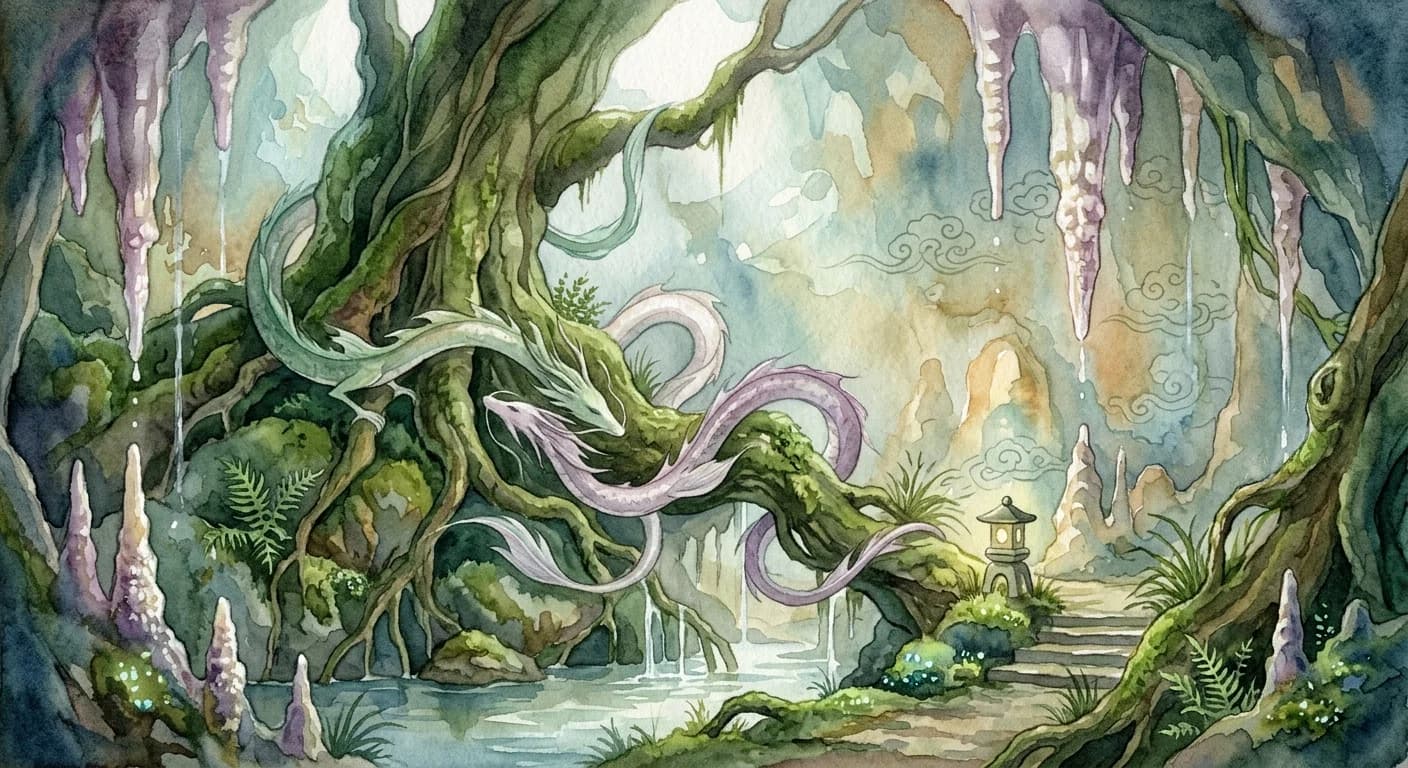
    Artistic representation of klu
    Tibetan•
    🇨🇳China

    Klu

    /KLOO/

    Meaning

    Klu are ancient, powerful serpent-like or reptilian beings deeply embedded in Tibetan cosmology, inhabiting the unseen dimensions beneath the earth and within all natural water sources – lakes, rivers, springs. These enigmatic entities are the guardians of the earth's vitality and hidden treasures, holding sway over weather patterns, crops, and even human health. Disturbing them through pollution or disrespect can unleash illness, drought, or natural disasters, while honoring them ensures prosperity, healing, and ecological balance.

    Literal Translation

    serpent-being

    The Story Behind the Word

    The concept of klu is foundational to Tibetan indigenous beliefs, predating and later integrating with Buddhism. It reflects a profound reverence for the natural world and an understanding of its interconnectedness with human well-being. Klu embody the 'life-force' of the land (sa-dag), signifying that every mountain, river, and spring possesses a sentient spirit that demands respect. This belief system underpins many traditional practices, from site selection for monasteries and homes to elaborate rituals performed to appease upset klu after environmental disturbances. The existence of klu reveals a worldview where humanity is not separate from nature but an integral part of a living, conscious ecosystem, emphasizing harmony and responsible stewardship. Disrupting the klu's abode is seen as a direct assault on the earth's health and, by extension, human prosperity.

    Experience It

    Building Near a Spring

    Before constructing a new dwelling near a natural spring, the villagers consulted the local lama. He performed a divination and advised offerings to the klu of the spring, ensuring they were not disturbed and would continue to provide pure water and good fortune to the new residents, rather than illness or drought.

    Healing a Mysterious Ailment

    A child fell ill with a persistent skin rash and fever that doctors couldn't cure. The family sought a traditional healer, who determined the klu had been offended when a polluted stream flowed near their home. Rituals were performed to purify the stream and offer repentance, leading to the child's gradual recovery.

    The Deeper Meaning

    The concept of klu embodies a deep ecological philosophy, where nature is not merely a resource but a living, sentient entity deserving reverence and respect. It highlights the profound interconnectedness between the physical environment and human spiritual and material well-being, suggesting that a healthy society depends on a healthy, respected earth. This worldview promotes a sense of custodianship rather than dominion over nature.

    Did You Know?

    Many Tibetan monasteries and sacred sites are deliberately built near klu abodes (like lakes or caves) to harness their protective power, with specific rituals performed daily to maintain a harmonious relationship.

    How It's Used

    The term 'klu' is used in discussions of Tibetan folklore, mythology, religious practices, and traditional beliefs concerning the spirits of the earth and water.

    Emotions
    gratitude,peace,wonder
    Contexts
    nature,religion
    🇨🇳China

    by Dr. Kenji Tanaka·Written Mar 10, 2026·Updated Apr 3, 2026

    Related Words

    Explore more
    Dolce far nienteItalian

    Dolce far niente captures the profound joy and effortless pleasure derived from simply existing without obligation or purpose. It's the art of savoring moments of pure, unadulterated idleness – lying in the sun, watching the clouds drift, or enjoying a leisurely coffee – not as a break from work, but as a valuable state in itself. This 'sweetness of doing nothing' is a conscious embrace of stillness and contentment, allowing the soul to breathe and the senses to fully engage with the present.

    Wabi-sabiJapanese

    Wabi-sabi is the profound appreciation for the ephemeral, the imperfect, and the incomplete aspects of existence. It is about discovering beauty in the subtle textures of age, the unique character of flaws, and the gentle decay that marks the passage of time. This philosophy encourages a quiet acceptance of impermanence and a mindful connection to the natural world, finding elegance in simplicity and authenticity.

    IkigaiJapanese

    Ikigai is more than just a reason to get out of bed; it's a deeply personal and evolving sense of purpose that brings genuine fulfillment and joy to one's life. It represents the sweet spot where your passions, talents, needs of the world, and what you can be paid for beautifully converge. Discovering your ikigai often leads to a life lived with intentionality, resilience, and a profound connection to one's contributions. It's the intrinsic motivation that fuels a meaningful existence, regardless of external circumstances.

    NunchiKorean

    Nunchi is the sophisticated, almost telepathic, ability to instantly grasp the unspoken dynamics of any social situation, anticipating others' thoughts and feelings, and then responding with impeccable grace and timing. It's an acute form of social intuition, allowing one to navigate complex interpersonal landscapes by reading subtle cues like body language, tone, and context. Possessing good nunchi means effortlessly understanding the underlying emotional currents and adjusting one's behavior to maintain harmony and effectiveness, often without a single word exchanged.