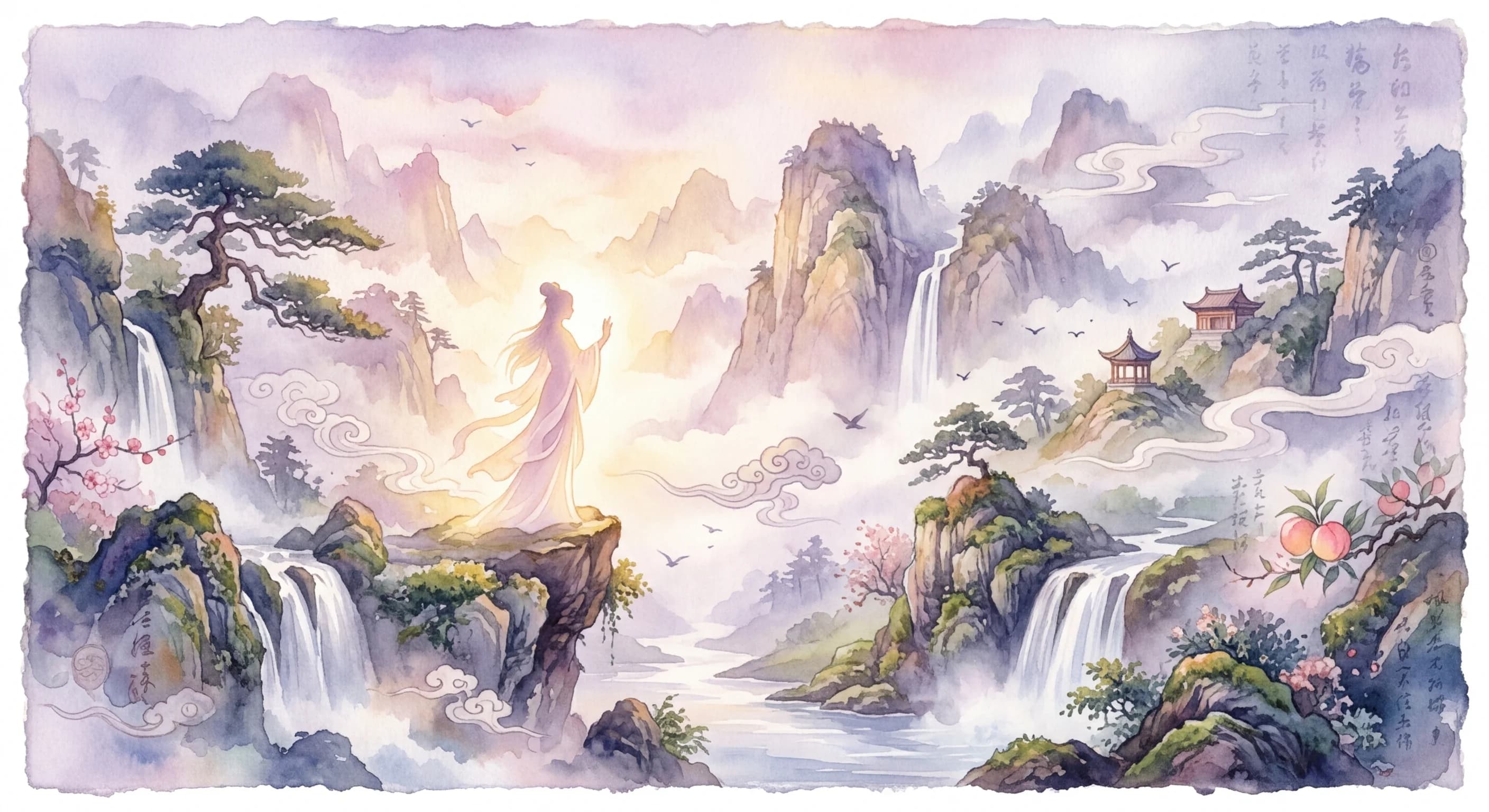
Lha
/lah/
Meaning
The Tibetan word 'lha' transcends a simple translation of 'god' or 'deity,' embodying a profound sense of inherent sacredness and potent spiritual energy. It refers to a multifaceted array of divine beings, from cosmic deities to localized guardian spirits protecting specific places or individuals. More than just a noun, 'lha' signifies a pervasive spiritual presence that imbues the world, connecting the visible and invisible realms and serving as a vital force for harmony, protection, and blessing within Tibetan Buddhist cosmology and animistic traditions.
Literal Translation
god, deity, spirit, sky
The Story Behind the Word
The concept of 'lha' is deeply interwoven with the fabric of Tibetan culture, revealing a worldview where the sacred is not separate from the mundane but permeates every aspect of existence. Its origins lie in ancient Bon animistic traditions, where mountains, lakes, and even individual homes were believed to be inhabited by powerful spirits. With the advent of Buddhism, these indigenous 'lha' were often integrated into the Buddhist pantheon as protectors of the Dharma, demonstrating a unique syncretism. This word underscores the Tibetan understanding of a living, interconnected universe, where humans constantly interact with spiritual forces, seeking their blessings and avoiding their displeasure. The presence of 'lha' shapes daily rituals, architectural designs, and the profound respect Tibetans hold for their natural environment, viewing it as the abode of these sacred entities.
Experience It
Blessing a New Home
As the family moved into their newly built house, the lama performed an elaborate ceremony. He chanted prayers, offering incense and grains, invoking the local 'lha' – the benevolent spirits of the land – to protect the inhabitants and bestow prosperity and peace upon their home.
Scaling Sacred Peaks
Before embarking on the arduous ascent of Mount Kailash, a group of pilgrims paused, offering silent prayers and leaving small offerings. They sought permission and protection from the 'lha' of the mountain, acknowledging its divine presence and their humble position as visitors to its sacred domain.
The Deeper Meaning
'Lha' reveals a fundamentally animistic and pantheistic worldview, where divinity is not confined to a singular, transcendent being but is immanent within the natural world and accessible through various forms. It highlights the Tibetan emphasis on interdependence and the constant interplay between human actions and the spiritual forces that shape their environment and destiny.
Did You Know?
Many Tibetan names, like Lhamo (goddess) or Lhakpa (Wednesday, associated with the planetary deity), incorporate 'lha', reflecting its pervasive influence in personal identity and daily life.
How It's Used
Used in religious contexts, prayers, blessings, and discussions about deities or spiritual protectors. It can also refer to the sky or heavens in some contexts.