Trul khor
/trul khor/
Meaning
Trul khor, literally 'moving channel' or 'energy wheel,' is a profound Tibetan yogic practice that orchestrates specific physical movements, postures, and breathwork to consciously direct and harmonize the body's subtle energies (lung or prana). Far beyond mere exercise, it serves as a dynamic meditation, aiming to unblock energetic pathways, purify the mind, and awaken innate wisdom. This sacred ritual connects the practitioner to the intrinsic vitality of the universe, fostering a deeply integrated state of inner peace, physical resilience, and spiritual clarity.
Literal Translation
Moving channel / energy wheel
The Story Behind the Word
Trul khor is an ancient practice deeply embedded in the Vajrayana Buddhist traditions of Tibet, particularly within the Nyingma and Bön lineages, with roots stretching back over a millennium. Its existence underscores a fundamental Tibetan worldview that perceives the human body not merely as a physical vessel but as a sophisticated energetic system, a microcosm reflecting the macrocosm. The practice is believed to have been transmitted directly from enlightened masters, designed as a powerful means to accelerate spiritual development, overcome obstacles to meditation, and ultimately achieve enlightenment. It reveals a cultural emphasis on holistic well-being, where physical vitality, mental clarity, and spiritual realization are inextricably linked and cultivated through disciplined, intentional engagement with one's own subtle energy body.
Experience It
Morning Monastery Ritual
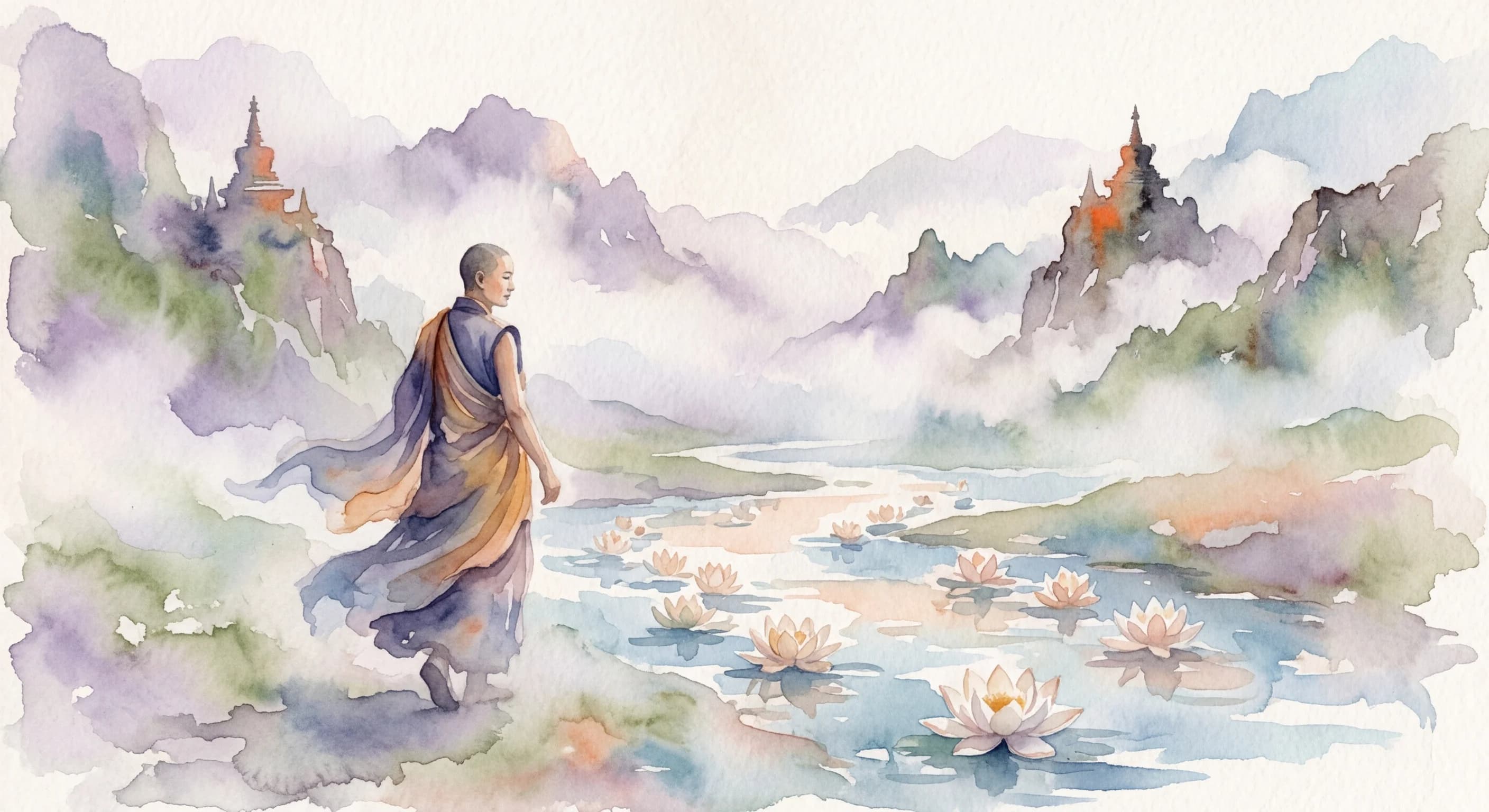
At dawn, in the quiet monastery courtyard, a young monk begins his trul khor. His movements are slow, deliberate, and fluid, each twist and stretch of his body synchronized with his breath. He visualizes the energy channels within him clearing, feeling a surge of vitality preparing his mind for a day of intense meditation and study.
Practicing for Clarity
A lay practitioner, grappling with a complex problem, turns to her trul khor practice. As she executes the 'Five Tsa Lung exercises,' she focuses intently on her breath and the sensation of energy moving through her core. After the session, her mind feels sharper, and a new perspective on her challenge emerges.
The Deeper Meaning
The practice of trul khor embodies the Tibetan Buddhist philosophical understanding of the mind-body continuum, where physical actions directly influence mental states and spiritual realization. It highlights the belief that liberation is not solely an intellectual pursuit but requires the purification and mastery of the energetic body. This reveals a worldview where inner transformation is achieved through a direct, experiential engagement with one's subtle energies, leading to a profound reintegration of the self with the universal life force.
Did You Know?
Some trul khor movements are said to derive from the spontaneous movements of enlightened yogis experiencing profound states of realization, directly embodying the flow of wisdom energy.
How It's Used
Used within the context of Tibetan Buddhist meditation and spiritual practices, often performed by monks, nuns, and practitioners of Tibetan yoga.