Phowa
/POH-wah/
Meaning
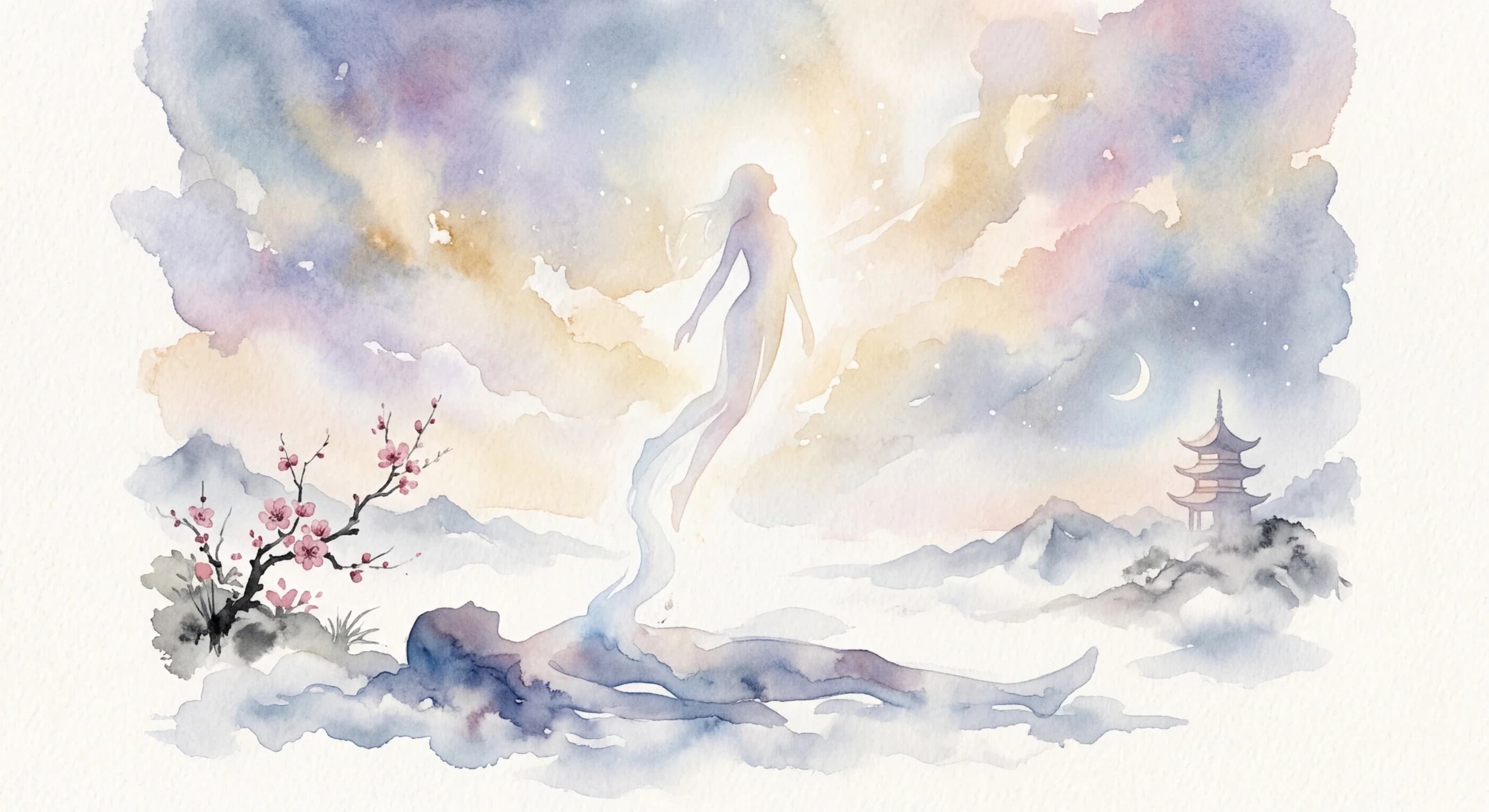
Phowa is a profound spiritual practice within Tibetan Buddhism, literally meaning the "transference of consciousness." It is a sophisticated tantric method enabling a practitioner to consciously direct their consciousness at the moment of death, ensuring a favorable rebirth in a pure land, such as Amitabha's Dewachen, or a chosen realm. This isn't merely about dying gracefully; it's an advanced act of spiritual mastery, aiming to transcend the karmic cycle and achieve liberation through a deliberate, guided transition from the physical body, embodying the ultimate control over one's spiritual destiny.
Literal Translation
transference of consciousness
The Story Behind the Word
The existence of phowa in Tibetan culture speaks volumes about their profound understanding of life, death, and rebirth. Unlike many Western traditions that view death as an end, Tibetan Buddhism sees it as a crucial transition, an opportunity for liberation or a higher rebirth. Phowa isn't just a ritual; it's a testament to the belief in the mind's power over physical existence and the possibility of conscious navigation through the bardo (intermediate state) after death. This practice underpins a worldview where every moment, especially the final one, holds immense spiritual significance, shaping one's future existence. It highlights a culture deeply invested in spiritual preparation and the pursuit of enlightenment beyond the confines of a single lifetime, emphasizing conscious agency even in the face of ultimate impermanence.
Experience It
A Monk's Final Journey
As the venerable lama lay on his deathbed, surrounded by his students, he began to recite the phowa prayers. With a serene expression, he focused his mind, visualizing his consciousness ascending through the crown of his head, guiding it towards the pure land he had meditated upon for decades. His passing was not one of sorrow, but of quiet achievement.
Preparing for the Inevitable
Tashi, a lay practitioner, diligently attended phowa teachings for years, knowing that death could come at any time. She practiced the visualizations daily, mentally preparing to consciously direct her mind at the moment of her last breath. This practice brought her peace, transforming her fear of death into a focused spiritual endeavor.
The Deeper Meaning
Phowa embodies the Buddhist principle of mind over matter and the ultimate impermanence of the physical form. It reveals a deep philosophical conviction that consciousness is not extinguished by death but can be intentionally guided, offering a path to transcend the cycle of suffering (samsara). This practice underscores the belief in individual agency in shaping one's spiritual destiny, even in the face of the ultimate transition.
Did You Know?
Some highly accomplished phowa practitioners are said to show a small, pea-sized indentation or a drop of fluid at the crown of their head after death, believed to be the exit point of consciousness.
How It's Used
Phowa is a core practice within certain Tibetan Buddhist traditions, often taught and transmitted by qualified lamas. It is typically undertaken by individuals preparing for death or by practitioners seeking to master the death process for spiritual advancement.