Cho-pa
/CHOH-pah/
Meaning
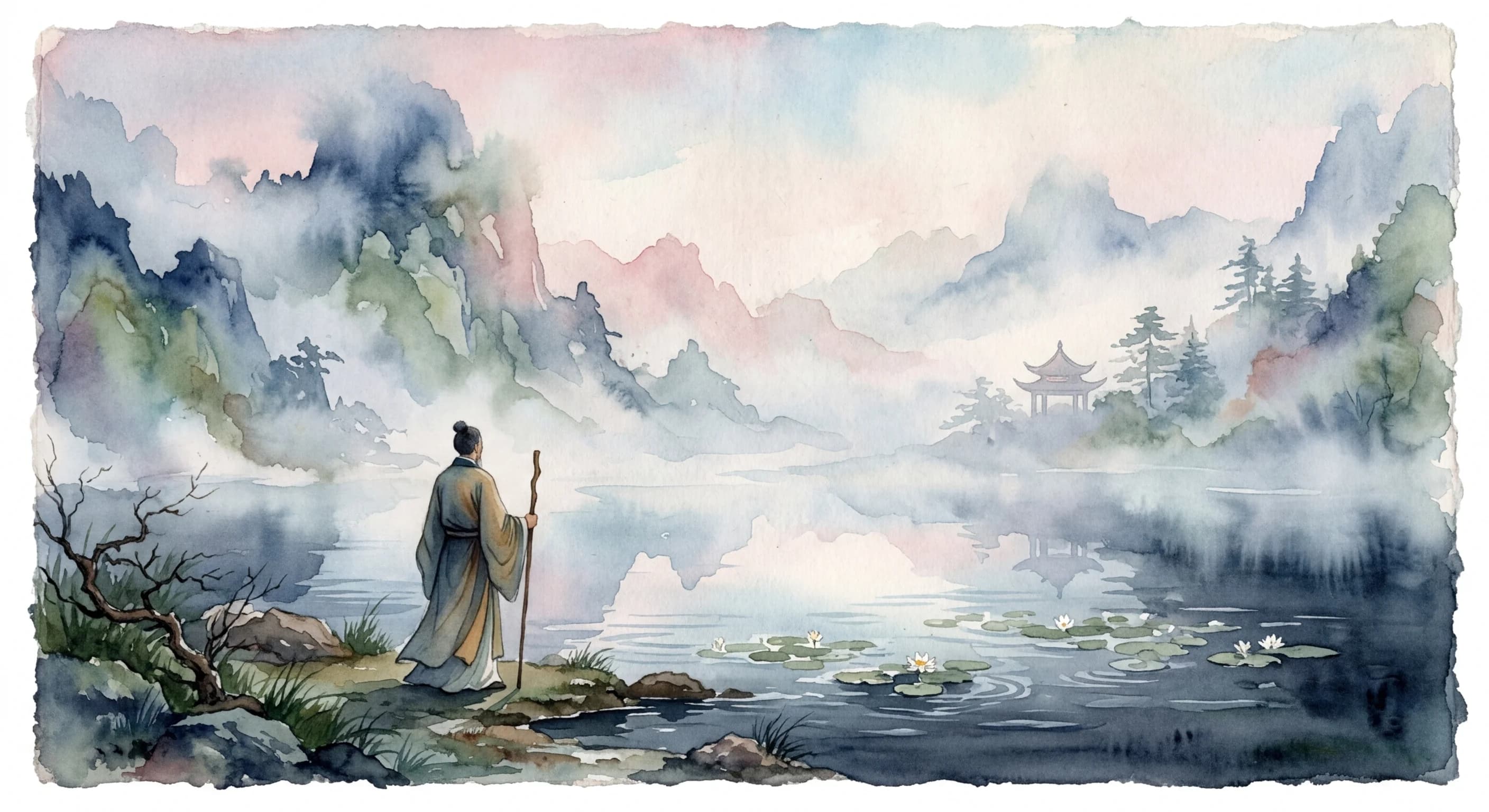
Cho-pa describes a profound, almost visceral spiritual connection experienced when encountering something of breathtaking beauty or awe, particularly in nature. It's a moment of intense spiritual resonance, where the ordinary veil of perception lifts, revealing an inherent sacredness and unity with the cosmos. This feeling transcends mere aesthetic appreciation, becoming a deep recognition of the divine within the perceived, instilling a profound sense of peace, gratitude, and an awakening to the interconnectedness of all existence.
Literal Translation
The Tibetan word 'cho-pa' (མཆོད་པ་) literally translates to 'offering' or 'worship.' However, its nuanced usage in this context extends beyond a simple offering to encompass the profound spiritual response evoked by experiencing profound beauty or sacredness, akin to receiving a divine gift.
The Story Behind the Word
The concept of cho-pa is deeply rooted in Tibetan Buddhist philosophy, where the natural world is seen not merely as scenery but as an active manifestation of the divine and a potential path to enlightenment. In a culture where pilgrimage to sacred mountains and lakes is common, and where art often depicts mandalas and deities, the idea of encountering sacredness in the everyday is fundamental. The literal meaning of 'offering' or 'worship' underscores that this experience is not passive; it's a reciprocal act where the beauty of the world is received as a divine gift, and in turn, one's profound appreciation becomes an offering back to the universe. This word exists because Tibetan culture fosters a contemplative and reverent relationship with existence, viewing beauty as a gateway to spiritual truth.
Experience It
Mountain Dawn
Tenzin watched the first rays of sun ignite the snow-capped peaks of the Himalayas, painting them in hues of gold and rose. A wave of profound stillness washed over him, a deep sense of cho-pa, as if the mountains themselves were breathing a sacred truth into his very being.
Monastery Chants
Inside the ancient monastery, the rhythmic chanting of the monks resonated through the air, vibrating in Sonam's chest. He closed his eyes, feeling a powerful cho-pa, a recognition of the timeless devotion and spiritual energy that filled the space, connecting him to generations of seekers.
The Deeper Meaning
Cho-pa reveals a worldview where the sacred is not separate from the mundane but intrinsically woven into the fabric of reality. It embodies the Buddhist principle of dependent origination and emptiness, where phenomena, though seemingly distinct, are interconnected and ultimately expressions of a deeper, unified reality. This word emphasizes that spiritual awakening can be an experiential, aesthetic encounter rather than solely an intellectual or ritualistic one.
Did You Know?
While often triggered by grand natural spectacles, cho-pa can also arise from simple moments, like the intricate beauty of a single dewdrop or the perfect symmetry of a flower, highlighting the pervasive sacredness in Tibetan worldview.
How It's Used
Typically used to describe a moment of profound spiritual or aesthetic appreciation, often triggered by natural phenomena, art, or a deeply meaningful experience.